






If you’re wondering how far behind in child support you can fall before a warrant is issued, the short answer is this; most states take enforcement action when you’re 30–180 days overdue or owe more than $2,500 to $5,000, especially if you willfully refuse to pay.
While initial penalties include wage garnishment or license suspension, a bench warrant is typically issued after court orders are ignored or contempt is established.
Key Takeaways:
- Warrants are usually issued after 3 to 6 months of nonpayment or $5,000+ in arrears.
- You may receive multiple enforcement notices before a warrant.
- Ignoring a court summons almost always leads to a bench warrant.
- Willful non-payment is the core factor, not just the amount owed.
But once those steps fail, or you miss court, it may escalate into a civil contempt or even criminal case, depending on intent and arrears.
What Triggers a Child Support Warrant in the United States?
A child support warrant isn’t issued the moment a payment is missed. In fact, child support enforcement typically follows a progressive legal process, designed to encourage compliance before applying the harshest penalties.
Warrants are usually triggered by:
- Willful failure to pay child support, despite having the means.
- Ignoring court orders or failing to attend mandatory hearings.
- High arrears, typically above $5,000, or non-payment for 3-6 months.
- Repeated failure to comply with modification agreements or payment plans.
As one family law judge noted:
“We don’t jail parents for being broke—we jail them for ignoring court orders or intentionally refusing to support their children.”
That distinction, willful vs. unavoidable non-payment, is the foundation of contempt proceedings that lead to warrants.
How Many Missed Payments Lead to a Warrant?
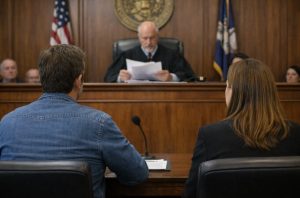
There is no single number of missed child support payments that automatically triggers a warrant across the United States.
In most states, enforcement actions begin after one to six months of non-payment, but the exact response depends on the court, the child support agency, and how the individual case is handled. Courts focus less on the number of missed payments and more on patterns of non-compliance.
Some states act more quickly than others. Early notices, enforcement warnings, or court hearings can begin shortly after a missed payment, particularly when there is no communication or effort to resolve the issue.
| State | Typical Enforcement Trigger |
| Florida | Notice issued around 15 days after a missed payment; continued non-payment may lead to licence suspension and a warrant |
| Indiana | Enforcement and contempt proceedings may begin after roughly 6 weeks of non-payment |
| New Jersey | A bench warrant may be issued after a missed court appearance related to child support, especially with prior violations |
Missing a payment doesn’t mean immediate jail time, but repeated missed payments without action significantly raise that risk.
Does the Amount Owed Affect When a Warrant Is Issued?
Absolutely. While time behind on payments is one factor, the total amount owed plays a critical role in whether enforcement escalates into a civil or criminal warrant.
Child Support Arrears Enforcement Risk:
| Arrears Amount | Enforcement Risk |
| $500+ | Tax refund offset; credit bureau reporting |
| $2,500+ | Federal passport denial under Title IV-D |
| $5,000+ | Civil contempt motion and potential warrant |
| $10,000+ | Federal felony charges under the Deadbeat Parents Act |
The Deadbeat Parents Punishment Act (DPPA) authorizes federal prosecution for non-payment when a parent:
- Owes over $5,000 and crosses state lines to avoid payment, or
- Fails to pay child support for over 1 year, regardless of location.
While these are federal benchmarks, state courts also have discretion. A judge may issue a warrant even if you owe less, especially if you ignore prior warnings or fail to appear in court. The key concern is usually your intentional disregard for legal obligations.
What Happens Before a Child Support Warrant Is Issued?

Most jurisdictions offer multiple layers of enforcement before a warrant is issued. These steps aim to secure compliance without incarceration, giving you the chance to address arrears proactively.
Administrative Enforcement Actions
Administrative enforcement is the first line of action when a child support payment is missed. These methods are largely automated and don’t require a court hearing.
The goal is to apply financial pressure to recover the owed amount before escalating to legal consequences like contempt or arrest.
Common administrative enforcement tools include:
- Wage Garnishment: The most widely used method. Payments are automatically deducted from your paycheck by your employer.
- Tax Refund Interception: Federal and state tax refunds are seized to cover unpaid support.
- Bank Account Levies: Courts or agencies may freeze and withdraw funds directly from your checking or savings account.
- License Suspensions: This may include your:
- Driver’s license
- Professional certifications (e.g., nursing, real estate)
- Recreational licenses (e.g., hunting, fishing)
These actions typically begin 30–60 days after a missed payment and often occur without needing a court appearance.
Although these steps can feel punitive, they are considered non-custodial remedies designed to avoid criminal proceedings and jail.
Warnings and Notices
Before a child support warrant is issued, you will generally receive formal notices and legal documentation from the court or enforcement agency.
These notices serve as both a warning and a legal obligation to act. One of the first communications you may receive is a Notice of Delinquency.
This document outlines:
- How much you owe
- How long you’ve been behind
- What enforcement actions may follow
If you fail to address this notice, the next step may be an Order to Show Cause. This is a court order compelling you to appear before a judge to explain your failure to pay.
Failure to respond to either of these can result in a default judgment and further legal escalation. It’s crucial to take these documents seriously, ignoring them can lead directly to a bench warrant.
This stage is your best opportunity to:
- Request a payment plan
- Provide proof of hardship
- File for a modification
Courts are often more flexible before a warrant is issued, especially if you show effort and transparency.
Escalation Process
If you fail to cooperate after administrative measures and ignore the court’s warnings, your case enters the escalation phase, which can quickly lead to a bench warrant.
At this point, the custodial parent or the child support agency will likely file a motion for contempt. This motion claims that you are will fully ignoring your legal duty to support your child.
If you continue to skip hearings or don’t respond to the motion, the judge has the authority to issue a bench warrant, authorizing law enforcement to detain you until you comply or appear in court.
Here’s how this escalation typically unfolds:
| Stage | Action Taken | Consequence |
| Delinquency Notice | Notification sent after missed payments | Administrative enforcement may begin |
| Order to Show Cause | Formal court order to attend a hearing | Contempt may be filed if ignored |
| Motion for Contempt | Filed by agency or custodial parent | Judge reviews willful non-compliance |
| Bench Warrant Issued | If you fail to appear or comply | Risk of arrest and possible jail time |
As one legal aid officer put it:
“Parents often think ignoring the letters buys them time. In reality, it puts them in line for arrest.”
Understanding and acting early during this escalation phase is crucial. The deeper you fall into the process, the fewer options you may have to avoid jail or court penalties.
Are You Notified Before a Child Support Arrest Warrant Is Issued?

Yes, courts are generally required to follow due process, which means you must be notified and given an opportunity to respond before an arrest warrant is issued.
This usually happens unless the situation involves direct contempt of court or an emergency where immediate action is deemed necessary.
Notification can take several forms, including certified mail or personal service that outlines hearing dates and court requirements. Some child support agencies also send delinquency notices explaining outstanding arrears and potential enforcement steps.
In certain cases, courts may rely on public posting or publication if they believe a person is actively avoiding service.
Importantly, if the court determines that proper notice was given, the process can continue even if you claim you never received it.
Saying “I didn’t get the letter” is rarely accepted when service can be proven. Keeping your contact details up to date with the court and child support office is therefore essential to protect your rights.
How Do States Differ in When They Issue Warrants?
Each state in the U.S. has its own set of child support enforcement protocols. While all states follow federal Title IV-D requirements, local laws and court practices determine when and how warrants are issued.
State Enforcement Timeline
| State | When Enforcement Typically Begins |
| California | 30+ days overdue → Notice → Bench Warrant |
| Florida | 15+ days late → Felony possible after 4 months |
| Illinois | $5,000+ owed or 6 months delinquent |
| New York | Contempt if willful non-payment is established |
| Indiana | 6 weeks behind → Contempt proceedings begin |
| Texas | Contempt motion filed after pattern of non-compliance |
These timelines are guidelines, not guarantees. Judges evaluate:
- Your current employment/income status
- Efforts to pay, even partially
- Documentation of hardship
- History of modification requests or communication
Even in lenient states, if you skip court dates or refuse to engage, you may face fast-track enforcement.
Can You Go to Jail for Owing Child Support?

Yes, jail is a possible consequence for unpaid child support, but it is typically a last resort. Courts usually turn to incarceration only when someone is found in contempt of a valid child support order, rather than simply falling behind on payments.
There are two main types of contempt. Civil contempt is used to compel compliance, meaning you may be jailed until you pay a court-set “purge amount” or demonstrate a genuine inability to pay.
Criminal contempt, by contrast, is punitive and addresses past defiance of the court, potentially resulting in fixed jail terms, fines, or more serious charges.
Common situations that increase the risk of jail include:
- Repeated failure to appear in court
- Ignoring court-ordered payment plans or garnishment
- Evidence that you had the ability to pay but willfully refused
Taking early action and communicating with the court can often prevent escalation.
What Should You Do If You Have a Child Support Warrant?
If a warrant has already been issued for unpaid child support, time is not on your side. Acting immediately can make a major difference between resolving the issue or facing arrest and jail time.
Many parents assume ignoring the warrant will give them time to figure things out, but the reality is, hiding only worsens your legal standing, and may result in a surprise arrest during a traffic stop, job application, or airport check.
Your Next Steps If a Warrant Exists:
- Do not ignore the warrant, inaction only escalates the situation
- Contact the court or clerk’s office to confirm the warrant and request a hearing
- Speak to a family law attorney or Legal Aid for guidance or representation
- Propose a payment plan to show cooperation and good faith
- Gather documentation showing hardship, income changes, or past payments
- Consider voluntary surrender if advised, as it may lead to a hearing instead of jail
“Turning myself in gave me a chance to explain my side. I walked out with a payment plan instead of handcuffs,”
— said a parent in California who faced a bench warrant.
By being proactive and respectful toward the legal process, you may avoid the harsher penalties and resolve your case on better terms.
How Can You Avoid a Warrant If You Fall Behind?

Falling behind on child support is serious, but it does not automatically result in a warrant or jail time. Courts focus heavily on how you respond once payments become difficult. Parents who act early, communicate clearly, and show good faith are far more likely to avoid enforcement escalation.
If your circumstances change due to job loss, illness, or reduced income, taking proactive steps can make a critical difference. Even small actions signal responsibility and cooperation, which courts strongly consider.
| Preventive Step | Why It Helps |
| File for modification early | Adjusts payments legally and limits future arrears |
| Make partial payments | Shows effort and reduces contempt risk |
| Stay in contact with the agency | Prevents assumptions of avoidance |
| Attend all hearings | Avoids default rulings and automatic warrants |
| Keep records of hardship | Supports claims of non-willful non-payment |
By staying organised, responsive, and proactive, you significantly lower the risk of a warrant, even if you’re temporarily behind on payments.
Real-Time Example: David’s Story
David, a construction worker from Florida, was ordered to pay $800 per month in child support. After losing his job, he stopped paying. Six months passed without a single payment, and his arrears exceeded $4,800. Instead of contacting the court, he remained silent and continued working odd jobs for cash.
He then ignored a court summons. Two weeks later, police showed up at his house with a bench warrant. David was arrested and brought before a judge, who found him in civil contempt and set a $1,200 purge amount for his release.
He couldn’t pay and remained in jail for 22 days until his former partner agreed to a negotiated payment plan.
“Looking back,” he said, “I should have filed for modification or paid something. I didn’t know ignoring it would lead to jail.”
Conclusion
There’s no single threshold that automatically triggers a warrant for unpaid child support. Outcomes depend on how much is owed, how long payments have been missed, and whether you’ve shown a genuine effort to communicate or pay.
However, once enforcement escalates and a court determines there is willful non-compliance, the risk of a warrant becomes very real.
The best protection is early action. Communicating with the court, making partial payments where possible, keeping clear records of hardship, and never missing a hearing can all make a meaningful difference.
If you’re unsure of your rights or options, seeking legal advice is critical. Ignoring the issue only increases the likelihood of serious consequences.
FAQs About Child Support Warrants
Can I go to jail if I miss one child support payment?
Not usually. Courts don’t issue warrants for one or two missed payments unless other violations (like failing to appear in court) occur.
What happens at a contempt hearing?
The court reviews your payment history and ability to pay. If you’re found in contempt, a purge amount may be set to avoid jail.
How can I find out if there’s a warrant for my arrest?
Check with your local court clerk or sheriff’s office. A lawyer can also help verify and take steps to resolve it.
What’s a purge amount?
A specific payment set by the judge to allow release from jail or to avoid incarceration for contempt.
Can paying part of my support keep me out of trouble?
Yes, making consistent partial payments shows good faith, which judges consider favorably.
Does child support debt go away if I declare bankruptcy?
No. Child support is considered a priority debt and is not dischargeable in bankruptcy.
Will a child support warrant affect my ability to get a passport?
Yes. If you owe $2,500 or more, your passport application may be denied under federal law.