




The cream cheese recall FDA announcement has raised concern among consumers after regulators issued their highest-level food safety alert (Class I recall) for multiple cream cheese products.
The recall involves several flavors of cream cheese packaged in five-pound tubs that may be contaminated with Listeria monocytogenes, a bacterium capable of causing serious illness in vulnerable populations.
For most consumers, the key question is simple: Should you be worried if you recently bought cream cheese? The answer depends on the product type, packaging, and location where it was sold.
Key facts you should know immediately:
- Certain flavored cream cheese products packaged in 5-lb tubs are affected
- The recall was issued after possible Listeria contamination was discovered on production equipment
- The FDA later classified it as a Class I recall, the most serious warning level
- Consumers who purchased affected products are advised not to eat them and return them for a refund
Understanding what the recall means and what steps to take can help you protect your household and avoid unnecessary risk.
What Is the FDA Cream Cheese Recall About?

The FDA cream cheese recall involves several cream cheese products produced by a manufacturer and distributed to retailers and food service businesses.
The recall began after routine inspections detected possible contamination with Listeria monocytogenes, a bacterium that can cause serious illness.
After further evaluation, regulators classified the incident as a Class I recall, meaning there is a reasonable probability that consuming the product could cause serious health consequences for high-risk individuals.
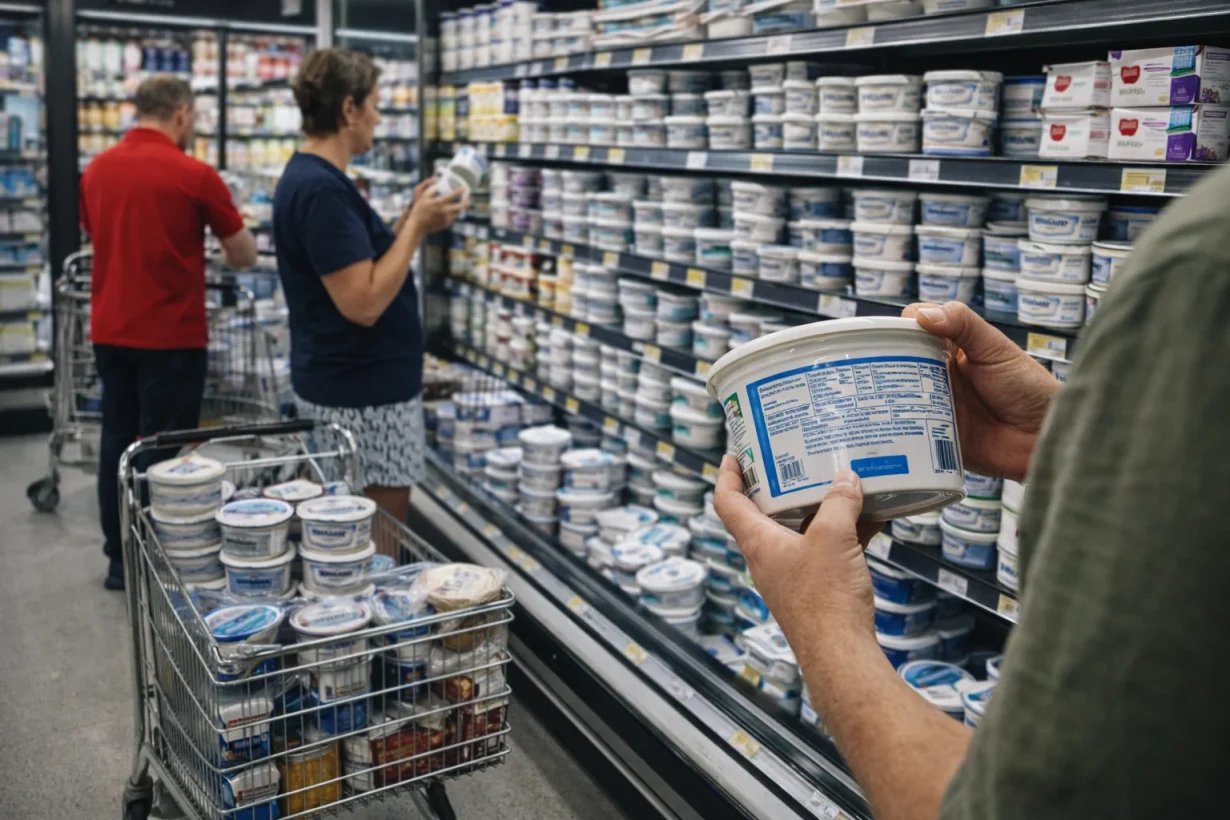
The recalled items were packaged in five-pound white plastic tubs often used by restaurants and food distributors.
Investigators traced the contamination to a component in the production mixer. Once confirmed, the manufacturer stopped using the equipment and initiated the recall.
A food safety spokesperson explained:
“A Class I recall indicates that regulators believe exposure to the product could lead to serious health outcomes. Consumers and retailers should treat the notice with urgency and check their products immediately.”
Although no confirmed illnesses had been reported at the time the recall was announced, health officials emphasized that the absence of reported cases does not eliminate the risk.
Is This Really a Nationwide Cream Cheese Recall?
Headlines about the cream cheese recall FDA nationwide alert have caused confusion among many consumers.
While the recall gained national attention, the distribution of the affected products was primarily limited to specific areas within New York City.
The products were delivered to retailers and distributors located in:
- Brooklyn
- Queens
- The Bronx
- Other parts of New York City
Because food distribution networks often involve wholesale suppliers and restaurant chains, regulators still treat the recall as a major consumer safety event.
Why the Recall Is Still Important Nationally?
Even though the documented distribution area is limited, the recall is still significant across the United States for several reasons.
Food Service Distribution
One major factor is how bulk food products are distributed and used within the food service industry.
The recalled cream cheese was packaged in large five-pound tubs, which are commonly purchased by restaurants, bagel shops, catering companies, and commercial kitchens.
Because these businesses often prepare ready-to-eat foods such as bagel sandwiches, spreads, and deli items, products may be served to customers who are not aware of the original supplier.
In some cases, prepared foods can travel beyond the immediate distribution area through catering events, wholesale deliveries, or supply partnerships. This is why regulators treat recalls involving bulk food products with particular caution.
Consumer Awareness
Another reason the recall has gained national attention is the potential health risk associated with Listeria contamination.
Listeria infections, though relatively rare, can cause serious complications for vulnerable individuals, including pregnant women, older adults, and people with weakened immune systems.
Because of these risks, food safety alerts involving Listeria are often widely reported to ensure that consumers remain vigilant and understand the potential symptoms and precautions associated with exposure.
Food Safety Monitoring
Events like this highlight the importance of routine inspections and monitoring within the dairy processing industry.
A public health official noted during the investigation:
“Routine sampling programs are one of the most effective ways to catch contamination early before widespread illness occurs.”
For consumers, the key takeaway is simple – check the product packaging carefully, especially if you purchased cream cheese in bulk or from a food service supplier.
Which Cream Cheese Flavors Were Recalled?
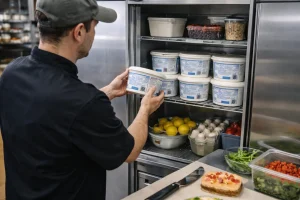
The recall includes fourteen different flavored cream cheese varieties packaged in five-pound tubs. These products share similar labeling and expiration date ranges.
Recalled Cream Cheese Flavors
| Cream Cheese Flavor | Package Type | Expiration Date |
| Apple Cinnamon | 5-lb plastic tub | Through Feb 27 |
| Caramel Apple | 5-lb plastic tub | Through Feb 27 |
| Blueberry | 5-lb plastic tub | Through Feb 27 |
| Garlic & Herb | 5-lb plastic tub | Through Feb 27 |
| Jalapeño | 5-lb plastic tub | Through Feb 27 |
| Jalapeño Cheddar | 5-lb plastic tub | Through Feb 27 |
| Lox | 5-lb plastic tub | Through Feb 27 |
| Scallion | 5-lb plastic tub | Through Feb 27 |
| Strawberry | 5-lb plastic tub | Through Feb 27 |
| Sundried Tomato | 5-lb plastic tub | Through Feb 27 |
| Vegetable | 5-lb plastic tub | Through Feb 27 |
| Walnut Raisin | 5-lb plastic tub | Through Feb 27 |
| Whipped Cream Cheese | 5-lb plastic tub | Through Feb 27 |
| Tofu Whipped | 5-lb plastic tub | Through Feb 27 |
Consumers who purchased these products are advised not to consume them and instead return them to the place of purchase for a full refund.
Because the tubs are large and typically used in commercial kitchens, the recall may particularly affect restaurants, catering businesses, and deli operations.
Why Did the FDA Recall These Cream Cheese Products?
The cream cheese recall FDA investigation began after routine quality checks identified contamination concerns during the production process.
Food manufacturers regularly test equipment and finished products to ensure compliance with safety standards. In this case, testing revealed Listeria monocytogenes on part of a mixer used during production.
Once the contamination was confirmed, the company:
- Stopped using the affected equipment
- Removed the contaminated mixer from service
- Issued a voluntary recall of the products produced during the affected period
A regulatory official commented on the discovery:
“Routine sampling plays a critical role in preventing contaminated food from reaching a wider market.”
Because Listeria can survive in cold environments and spread through equipment surfaces, even a small contamination source can affect multiple batches of food products.
The decision to upgrade the recall to Class I status reflects the potential seriousness of Listeria contamination rather than evidence of confirmed illness.
What Does a Class I FDA Recall Mean for You?
Not all food recalls are equally serious. The FDA uses three recall classifications to communicate the level of risk associated with a product.
FDA Recall Classification System
| Recall Class | Risk Level | Description |
| Class I | Highest | Exposure may cause serious health consequences or death |
| Class II | Moderate | Exposure may cause temporary or medically reversible illness |
| Class III | Low | Exposure unlikely to cause health consequences |
The cream cheese recall FDA warning falls into Class I, the most serious category.
This classification is used only when regulators believe there is a realistic chance that consuming the product could cause severe illness.
However, it is important to note that Class I does not mean deaths have already occurred. Instead, it indicates the potential severity of the hazard.
This distinction helps consumers understand the risk level without creating unnecessary panic.
Who Is Most at Risk from Listeria Infection?

Listeria infection, known as listeriosis, affects people differently depending on their immune health.
For many healthy adults, exposure may cause mild or short-term symptoms. However, certain groups face significantly higher risks.
High-risk populations include:
- Pregnant women
- Adults over age 65
- Individuals with weakened immune systems
- Young children
Pregnant women are particularly vulnerable because listeriosis can lead to miscarriage, stillbirth, or severe infection in newborns.
Even when symptoms appear mild at first, the infection can become serious if the bacteria spread to the bloodstream or nervous system.
What Symptoms Should You Watch For After Eating Recalled Cream Cheese?
If someone consumed the recalled cream cheese products, symptoms of Listeria infection may develop within several days or even weeks.
Common symptoms may include fever, muscle aches, nausea, diarrhea, headache, or confusion. In more severe cases, individuals may experience stiff neck, loss of balance, or neurological complications.
A healthcare official explained the importance of monitoring symptoms:
“Most healthy adults recover quickly, but individuals in high-risk groups should seek medical advice if they experience unusual symptoms after consuming potentially contaminated food.”
Anyone experiencing severe symptoms should contact a healthcare professional promptly.
What Should You Do If You Bought the Recalled Product?
If you believe you may have purchased the affected cream cheese, the safest approach is to avoid consuming it and return it to the retailer.
Consumers should check several identifying details before deciding what action to take.
Steps Consumers Should Follow
- Check whether the cream cheese is packaged in five-pound white plastic tubs
- Look for the specific flavors listed in the recall
- Verify that the expiration date falls before or on February 27
- If the product matches the recall description, do not eat it
- Return it to the place of purchase for a full refund
Retailers and food service businesses are also encouraged to review their inventory and remove any affected products from storage.
How Could This Recall Affect Consumers, Retailers, and Food Businesses?
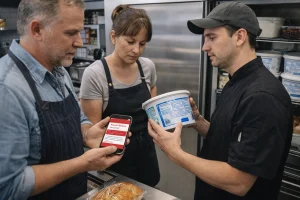
While individual households may not frequently buy five-pound tubs of cream cheese, many restaurants and food service operations rely on bulk packaging.
A typical scenario illustrates the potential impact.
Imagine a small café in Brooklyn that orders large tubs of flavored cream cheese for bagel sandwiches. After the recall announcement, the café owner checks their refrigerator inventory and discovers a container matching the recall description.
The owner immediately removes the product from use and contacts the supplier to arrange a return.
Situations like this demonstrate how food recalls can disrupt business operations but also help prevent potential health risks.
Customer Experience
Some customers have already shared their reactions after learning about the recall.
One New York consumer wrote in an online review:
“I saw the recall notice and checked my refrigerator right away. Luckily I hadn’t opened the tub yet, but it’s reassuring to see the company taking action quickly.”
Consumer awareness plays a major role in limiting the spread of contaminated food products.
What Facts Are Confirmed, and What Claims Should You Treat Carefully?
Because food recall news spreads quickly online, it is important to distinguish between verified facts and exaggerated headlines.
Confirmed facts include the recall classification, the specific flavors affected, the packaging size, and the potential contamination source discovered during routine sampling.
However, some headlines may give the impression that the recall affects all cream cheese products nationwide, which is not accurate.
The recall applies only to specific flavors packaged in five-pound tubs produced during the affected time period.
Consumers should rely on official product details rather than broad headlines when determining whether their purchases are affected.
Final Thoughts on the FDA Cream Cheese Recall
The FDA cream cheese recall highlights how modern food safety systems are designed to identify potential risks quickly and prevent wider health issues.
Routine inspections, monitoring programs, and recall procedures play an important role in protecting consumers from contaminated products.
Although the recall has caused concern, it also demonstrates the effectiveness of regulatory oversight within the food industry.
For most households, the key step is simple – check product labels and follow recall instructions if needed. Staying informed about food safety alerts helps consumers make safer choices in their kitchens.
FAQs
What type of cream cheese packaging is affected by the recall?
The recalled products were packaged in five-pound white plastic tubs mainly used by food service businesses. Smaller retail packages are not included in the recall.
Can Listeria survive in refrigerated dairy products?
Yes. Listeria can survive and grow at refrigeration temperatures, which makes contaminated dairy products risky even when stored properly.
Should I throw the recalled cream cheese away?
Consumers are usually advised to return the product to the retailer for a refund. If that is not possible, it should be safely discarded.
What if I already ate the cream cheese and feel fine?
Most healthy adults experience mild or no symptoms, but high-risk individuals should monitor their health and contact a doctor if symptoms appear.
Are only flavored cream cheese products affected?
Yes. The recall involves fourteen flavored cream cheese varieties packaged in five-pound tubs during the affected production period.
Does a Class I recall mean someone has died?
No. A Class I recall means the product could potentially cause serious illness or death, not that such outcomes have already occurred.
Why are pregnant women more vulnerable to Listeria infection?
Pregnancy changes the immune system, making women more susceptible to infection. Listeria can also affect the unborn baby.
Can restaurants still serve cream cheese safely?
Yes. Restaurants can serve cream cheese not included in the recalled batch, but they should verify suppliers and check product labels carefully.