



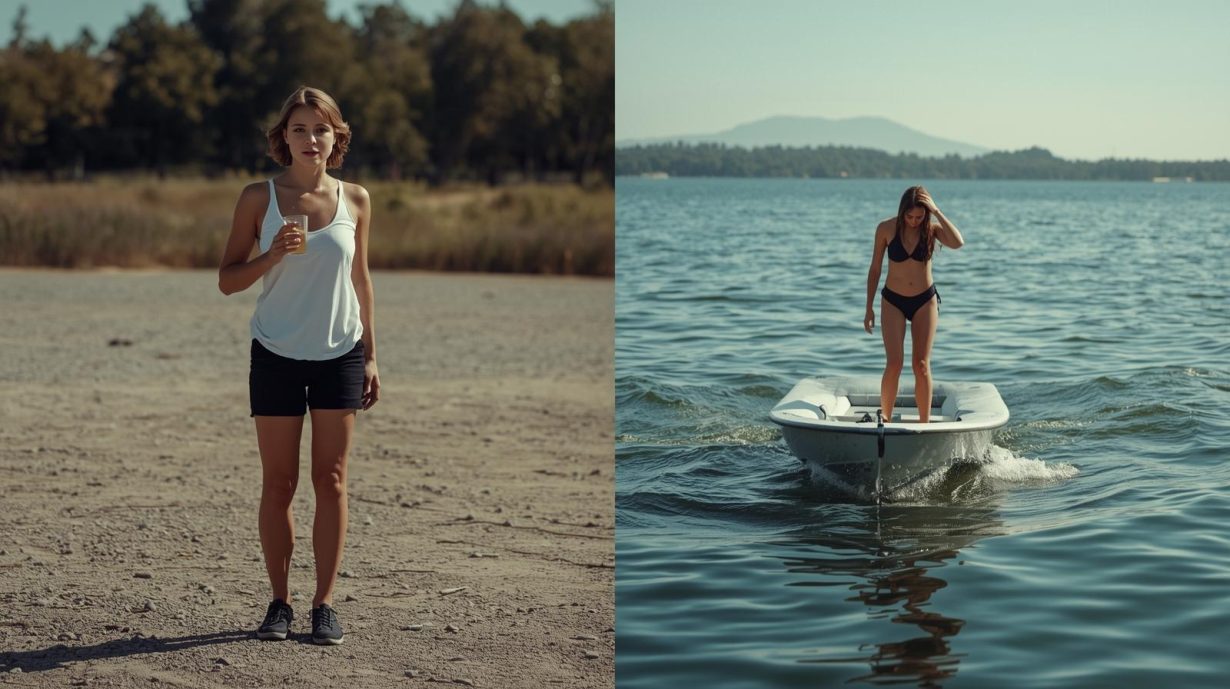

Alcohol affects the human body more severely and more rapidly on water than it does on land.
The motion, heat, vibration, and other stressors found in a marine environment intensify the effects of alcohol, impairing coordination, judgment, and reaction time up to three times faster than on solid ground.
Key points explored in this article:
- Alcohol’s impact is accelerated by environmental stressors like sun, motion, and wind
- Balance, coordination, and decision-making are significantly impaired on water
- Legal BAC limits are the same on land and water, but effects differ greatly
- Boating under the influence (BUI) is dangerous and strictly enforced
- Even small amounts of alcohol can cause major impairment when boating
- Cold water and alcohol together increase the risk of hypothermia and drowning
Why Does Alcohol Impair You Faster While Boating Than on Land?
The environment on a boat presents unique challenges that dramatically amplify the effects of alcohol on the human body.
While alcohol naturally impairs the central nervous system, the impact is significantly heightened in the presence of what marine experts call a “cumulative fatigue environment.”
This includes physical and sensory stressors such as direct sunlight, constant boat motion, engine vibration, wind, noise, and dehydration.
Collectively, these conditions slow down the body and mind even before alcohol enters the system.
Boater’s hypnosis, a term used in boating safety circles, describes the mental and physical fatigue experienced after prolonged exposure to these conditions. When you introduce alcohol into that state, the effects become magnified.
According to the U.S. Coast Guard, these environmental factors can cause an individual to become impaired at a much lower blood alcohol concentration (BAC) level than on land.
One scientific study found that drinking one-third the amount of alcohol that would legally impair someone on land can produce equal or greater impairment on the water.
From a boating safety instructor I once met during a training seminar, I remember this explanation clearly. He said, “People assume one drink is harmless, but on water, one drink hits like three. Their coordination drops, judgment slips, and they don’t realize it until it’s too late.”
This table shows how different environmental stressors on water can interact with alcohol consumption:
| Environmental Stressor | Effect on Body Without Alcohol | Effect on Body With Alcohol |
| Sunlight | Dehydration and fatigue | Accelerated alcohol absorption |
| Boat Motion | Balance disturbance | Amplified disorientation |
| Engine Vibration | Numbness and muscle fatigue | Reduced motor control |
| Wind and Noise | Mental fatigue | Slower cognitive responses |
| Glare from Water | Eye strain | Impaired visual processing |
These factors are especially dangerous for operators of small recreational vessels, where stability and reaction speed are essential. The water itself is not forgiving, and if something goes wrong, help is rarely immediate.
How Does Alcohol Affect Balance, Coordination, and Judgment on Water?
Alcohol impairs the nervous system by slowing down the brain’s ability to process information and send clear signals to the body. On land, this already leads to slower reactions and poor coordination.
But on the water, where your body is constantly adjusting to instability, these impairments become more dangerous and more difficult to detect until it’s too late.
The natural motion of a boat magnifies every minor misstep, and when you’re under the influence, your ability to compensate is drastically reduced.
The Physical Demands of Staying Balanced on a Boat
Operating a boat requires constant, active management of balance, spatial awareness, and reaction to environmental inputs.
Even for passengers, maintaining footing on a moving boat demands more physical effort than walking on land.
Alcohol inhibits the brain’s ability to process motion and make fast adjustments to maintain equilibrium. This results in more trips, slips, and slower response times.
Scientific Findings on Alcohol and Motor Function
Scientific studies have repeatedly shown that alcohol slows reaction time, weakens motor coordination, and narrows the field of vision. On land, these effects are certainly dangerous, especially while driving.
On water, where unexpected waves, sharp turns, or shifting weight can cause immediate instability, these effects can result in critical accidents.
In a safety course I took before earning my boating license, the instructor had us simulate balance tests on a dock. We had to walk a straight line after spinning in circles and then repeat the task pretending we were under the influence.
The exercise wasn’t scientific, but it clearly demonstrated how even small impairments can throw off your body’s natural balance when you’re on an unsteady surface like a boat.
Cognitive and Perceptual Risks of Drinking While Boating
Boaters impaired by alcohol may also experience:
- A false sense of confidence
- Poor depth perception and peripheral awareness
- Increased risk of misjudging speed or distance from other vessels
Comparing Sober vs Impaired Boating Performance
This comparison table outlines some key differences between sober and alcohol-affected performance on water:
| Function | Sober Performance | Impaired Performance |
| Reaction Time | Quick and responsive | Delayed and inconsistent |
| Balance Control | Able to adjust to motion | Wobbly, increased risk of falling |
| Decision-Making | Logical and cautious | Risky, misjudging distance and speed |
| Vision Clarity | Stable peripheral and night vision | Blurred vision, poor depth perception |
| Emergency Response | Calm and organized | Panic or indecision under pressure |
Movement and Safety Risks for All Onboard
It’s also important to remember that unlike in a car, passengers on boats often move around. Alcohol can impair not just the operator, but anyone walking around a moving vessel.
An unexpected wave or sharp turn can send someone overboard, especially if they are already struggling with coordination due to alcohol.
Is the Legal BAC Limit for Boating the Same as for Driving on Land?
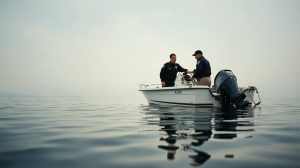
The legal BAC limit for operating a boat is 0.08% in most states across the United States, mirroring the standard for operating a motor vehicle.
However, the legal similarity hides a very important physiological truth: the same BAC has much more severe effects on a person navigating a boat than driving a car.
This discrepancy occurs because of the previously discussed environmental stressors that exist on the water.
Just because you’re within the legal limit doesn’t mean you’re safe to operate a vessel.
The U.S. Coast Guard warns that “legal” levels of BAC can still significantly impair your performance when compounded by sun, vibration, and motion.
A professional enforcement officer from a local marine patrol unit once explained to me, “Most BUIs aren’t about wild partying. It’s someone having two drinks over a few hours, thinking they’re fine. But on the water, that’s often enough to impair their response time or make them misjudge a situation.”
This table outlines the legal framework and the physiological reality:
| Aspect | On Land | On Water |
| Legal BAC Limit | 0.08% | 0.08% |
| BAC Effects at Legal Limit | Mild impairment in some people | Significant impairment likely |
| Enforcement | Roadside checkpoints, DUI laws | Random water patrol, BUI laws |
| Common Misconception | Safe if under 0.08% | Underestimates marine stressors |
What is BUI and How is it Enforced?
Boating Under the Influence (BUI) is a federal and state-level offense that applies to anyone operating a watercraft while impaired by drugs or alcohol.
Enforcement agencies such as the U.S. Coast Guard, state marine police, and local sheriff departments routinely conduct on-water sobriety checks, especially on weekends and holidays.
Consequences of a BUI can include:
- Fines ranging from $500 to $5,000
- Suspension or revocation of boating and/or driving privileges
- Jail time in severe or repeat cases
- Criminal record and insurance consequences
Refusing a sobriety test on water can also trigger legal penalties under implied consent laws, much like DUI cases on land.
What Makes Alcohol More Dangerous in a Marine Environment?
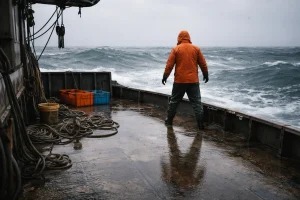
Unlike a car, a boat does not have seatbelts, airbags, or a predictable surface beneath it. The deck is often wet, the footing is unstable, and every movement of the boat can shift the balance of passengers. Alcohol exacerbates every one of these variables.
The lack of barriers between passengers and open water means that falling overboard is a constant risk. In most fatal boating accidents involving alcohol, the victim either fell overboard or could not recover after entering the water due to impaired physical ability.
The following table outlines the specific dangers unique to boating environments under the influence of alcohol:
| Risk Factor | On Land | On Water |
| Balance & Footing | Stable ground | Unstable surface, high fall risk |
| Accident Recovery Time | Emergency services nearby | Delayed or unavailable assistance |
| Visibility | Lights and road signs | Night glare, no lighting, no road marks |
| Rescue Response | Quicker medical response | Often delayed, especially offshore |
| Life-Saving Equipment | Seatbelts and airbags | Life jackets, which are often unused |
One boating safety campaign I remember emphasized a chilling point: “You can’t dial 911 from the water. And even if you do, it might take a while.”
This is the most critical difference between land and water. On land, emergency response is fast and structured. On the water, especially in less trafficked areas, even a five-minute delay can turn a fall into a fatality.
Why Cold Water and Alcohol Are a Deadly Combo
If a person falls into cold water while intoxicated, their body reacts violently. Alcohol increases heat loss through vasodilation, causing blood vessels near the skin to widen and allow more heat to escape. In cold water, this means that a person becomes hypothermic much faster than they would sober.
Hypothermia reduces muscular control, impairs consciousness, and increases the chance of drowning even for strong swimmers. Alcohol also dulls the body’s natural responses like shivering and may suppress the survival instinct to climb back into the boat or grab onto a flotation device.
I spoke with a safety expert who put it bluntly: “In cold water, alcohol is like an anchor in your bloodstream. It pulls your chances of survival down minute by minute.”
Can a Small Amount of Alcohol Be Just as Dangerous on the Water?

Yes. A small drink on the water can quickly lead to impairment because of the way alcohol interacts with fatigue, sun exposure, and motion.
According to the National Institute on Alcohol Abuse and Alcoholism, even one drink under these conditions can impair coordination and slow reaction time.
Many boaters mistakenly assume they are fine to operate a vessel after a single drink, especially if they spread it out over hours. But their BAC is only part of the picture.
I recall a family trip where one relative who rarely drinks had a single beer while we were anchored. As soon as we started moving again, he felt dizzy, couldn’t focus, and had to sit down for the rest of the trip. It was a stark reminder of how alcohol and boating don’t mix, even at very low levels.
Here’s a simplified comparison of alcohol tolerance on land and water:
| Amount of Alcohol | Effect on Land | Effect on Water |
| One drink (12 oz beer) | Relaxed, minor cognitive delay | Noticeable disorientation, fatigue |
| Two drinks | Slowed reactions | Impaired balance, reduced judgment |
| Three drinks | Over legal limit | Severe impairment, dangerous to boat |
| One drink + dehydration | Minor headache | Increased BAC, faster intoxication |
The key takeaway is that even legally permissible alcohol consumption can lead to unsafe conditions on the water. Impairment isn’t only a legal threshold. It’s a physiological state affected by external conditions and individual variability.
Final Thoughts
Drinking while boating might seem harmless, especially on a relaxing day. But the reality is, alcohol’s effects are heightened by every factor present on the water. Between sun, fatigue, motion, and dehydration, your body is already under stress, alcohol just pushes it over the edge.
For me, the biggest takeaway is that boating safely means treating the responsibility just like driving, if not more seriously. A single bad decision on the water can lead to irreversible consequences. I’ve seen it, I’ve heard it from professionals, and I’ve felt it in my own boating experiences.
Choosing to stay sober while boating isn’t about restriction—it’s about protecting everyone on board and ensuring that a good time doesn’t turn tragic.
FAQs About Alcohol and Boating
Does alcohol affect you differently on a boat compared to land?
Yes. Environmental stressors like motion, sun, and noise amplify alcohol’s effects on the body, making you feel intoxicated faster.
What is boater’s hypnosis and how does it worsen impairment?
Boater’s hypnosis is fatigue caused by prolonged exposure to motion, vibration, and sun. It can slow reaction time and increase impairment when combined with alcohol.
Are there different BAC limits for boating across U.S. states?
Most states follow the federal limit of 0.08% BAC, but some have stricter regulations or enhanced penalties depending on the circumstances.
Can one drink impair your boating abilities?
Yes. On water, even a small amount of alcohol can significantly impair coordination and judgment due to the added physical stress.
Why is falling overboard more dangerous under alcohol influence?
Alcohol affects balance and coordination, making it easier to fall. It also impairs swimming ability and increases the risk of drowning.
Is it illegal to drink as a passenger on a boat?
Laws vary by state. In many cases, passengers can drink, but open container laws and behavior-related charges may still apply.
How can I protect myself and others from boating under the influence?
Designate a sober operator, limit alcohol use, stay hydrated, and wear life jackets. Education and planning are your best safeguards.