


📉 BIG LOTS BUSINESS UPDATE – 2026
📌 Key Update: Filed for Chapter 11 bankruptcy in Sept 2024, with 500+ stores closed. Around 200–400 are remaining open or reopening in 2026.
⚠️ Important Notice: Many stores are still open in states like NC, OH, MS, FL, and GA. Always verify store status via official Big Lots sources.
Quick Summary: Big Lots remains operational in 2026, now with fewer locations and a renewed focus on discount retail under Variety Wholesalers.
- Bankruptcy Filed: September 2024
- New Owner: Variety Wholesalers (via Gordon Brothers)
- Closed Stores: Over 500 from 2024–2025
- Still Open: Estimated 200–400 across key regions
- Online Store: Fully operational nationwide
Follow trusted news and Big Lots’ official site for future store updates and reopenings.
Big Lots is not completely going out of business, but it has gone through one of the biggest restructurings in its history.
After filing for Chapter 11 bankruptcy in September 2024, the discount retailer closed hundreds of stores while keeping parts of the business alive under new ownership.
As of 2026, Big Lots still operates a reduced number of locations and continues reopening selected stores.
Key takeaways at a glance:
- Big Lots filed for Chapter 11 bankruptcy in September 2024
- Hundreds of stores closed across the US during 2024 and 2025
- Gordon Brothers and Variety Wholesalers stepped in to keep 200 to 400 stores operating
- The brand survives in 2026 with a smaller and more focused footprint
What Happened to Big Lots in 2024?
The year 2024 marked a turning point for Big Lots and ultimately answered why many shoppers started asking is Big Lots going out of business. In September 2024, the company officially filed for Chapter 11 bankruptcy protection.
This decision followed months of financial pressure caused by declining sales, rising operating costs, and shifts in consumer spending habits. Bankruptcy allowed Big Lots to continue operating while restructuring its debts and store network.
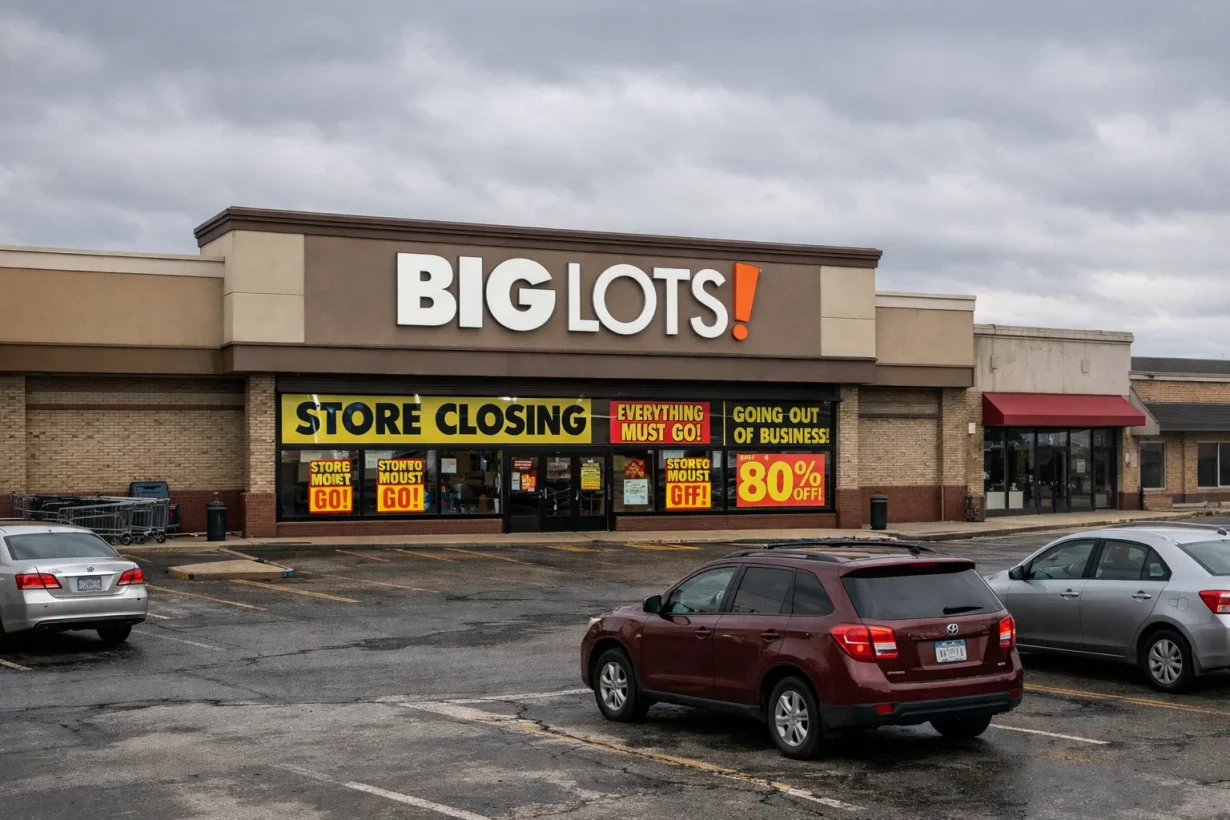
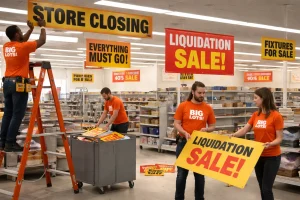
During the final quarter of 2024, the retailer announced that hundreds of stores would begin going out of business sales. These announcements appeared quickly across the country, creating uncertainty among employees and shoppers alike.
By December, Big Lots confirmed it would sell significant assets, including store leases and distribution centers, as part of its restructuring strategy.
Key developments during 2024 included:
- Filing for Chapter 11 bankruptcy in September
- Public confirmation of widespread store closures
- Launch of nationwide going-out-of-business sales
- Negotiations with Gordon Brothers Retail Partners
- Plans to transfer assets to Variety Wholesalers
While many viewed these moves as signs of collapse, Big Lots leadership positioned them as necessary steps to stabilize the company. Executives stated that most stores were still profitable but that the overall footprint had become unsustainable in a high inflation environment. By the end of 2024, Big Lots had clearly shifted from expansion to survival mode.
How Many Big Lots Stores Closed in 2025?
Store closures accelerated throughout 2025, making it one of the most disruptive years in Big Lots history. At the start of 2024, the retailer operated more than 1,400 stores nationwide.
By early 2025, that number had dropped sharply to around 872 locations, according to reports referenced by USA Today and regional news outlets.
The closures were not limited to one region. States across the Midwest, South, and parts of the Northeast saw multiple locations shut down. Mississippi became one of the most closely watched states, with leases for several stores listed for sale.
These closures were often tied to expiring leases, underperforming locations, and real estate decisions made during the bankruptcy process.
Important closure details include:
- Over 500 stores closed or marked for closure by early 2025
- Approximately 545 locations were initially targeted, with more added later
- Leases for about 500 remaining stores were offered for sale
- Mississippi, Ohio, Pennsylvania, and parts of the Southeast were heavily impacted
Despite the closures, Big Lots continued operating both online and in its remaining physical stores. For many shoppers, the mixed signals fueled ongoing concern about whether Big Lots was going out of business entirely or simply shrinking to survive.
Who Bought Big Lots During the Bankruptcy?

Big Lots was not purchased by a single traditional retailer. Instead, the rescue came through a strategic asset deal involving Gordon Brothers Retail Partners, a Boston-based firm known for handling distressed retail brands.
In late December 2024, Big Lots confirmed that Gordon Brothers would acquire key assets, including storefronts and distribution centers.
Those assets were then transferred to Variety Wholesalers Inc., a regional retail operator with a strong presence in the Southeast and Mid Atlantic.
Variety Wholesalers already runs several discount chains, including Roses, Roses Express, Maxway, Bill’s Dollar Stores, Super 10, Super Dollar, and Bargain Town.
Under this arrangement, between 200 and 400 Big Lots locations were designated to remain open or reopen under the Big Lots brand.
The sale was finalized in early January 2025, providing the retailer with a path forward rather than a complete shutdown. This structure allowed Big Lots to shed debt and unprofitable stores while preserving brand recognition in select markets.
Are Any Big Lots Stores Reopening in 2026?
Yes, Big Lots store reopenings continued into 2026 following initial reopenings that began in spring 2025.
After months of closures and liquidation sales, Variety Wholesalers confirmed that selected locations would return with remodeled layouts and expanded product categories. These reopenings helped shift the narrative away from total collapse.
In April and May 2025, dozens of locations reopened across several states, with additional phases extending through early summer.
By 2026, many of these reopened stores were fully operational, offering shoppers a refreshed experience focused on value pricing.
Key reopening highlights include:
- Initial reopenings began April 10, 2025
- 55 additional stores reopened on May 1, 2025
- More reopenings rolled out through early June
- Locations reopened in states such as Kentucky, Mississippi, North Carolina, Tennessee, and Virginia
Shoppers in reopened locations noticed changes such as remodeled interiors, new merchandise categories including apparel and electronics, and a renewed focus on closeout deals.
While not all states saw reopenings, these efforts confirmed that Big Lots was still active heading into 2026.
Why Did Big Lots Go Bankrupt?
The bankruptcy filing was the result of multiple overlapping pressures rather than a single failure. Big Lots leadership cited high inflation, rising interest rates, and changing consumer habits as the main drivers behind the financial crisis.
These challenges hit discount retailers especially hard, as their core customers faced increased costs for essentials like food, rent, and healthcare.
Financial disclosures revealed that Big Lots owed approximately $3.1 billion to between 5,000 and 10,000 creditors at the time of filing.
The company also experienced a sales decline of up to $114.5 million from 2023 to 2024, weakening its ability to manage debt and inventory.
Key reasons behind the bankruptcy included:
- Declining demand for furniture and home decor after pandemic highs
- Increased competition from Walmart and other mass merchants
- Higher borrowing costs due to rising interest rates
- Shifts toward online shopping and fewer in-store visits
- Private equity pressures and long-term debt obligations
Experts interviewed by Newsweek emphasized that bankruptcy does not always mean failure. In many retail cases, it serves as a reset mechanism designed to stabilize operations and refocus on profitable segments.
The retailer’s downfall, according to R.J. Hottovy, Head of Analytical Research at Placer.ai, is multifaceted: “Big Lots’ challenges stem from a combination of consumer behavior shifts, economic pressures, and increased competition.”
These insights underline how broader market forces, including inflation and rising household expenses, drastically reduced demand for Big Lots’ core offerings like home décor and furniture.
Is Big Lots Completely Going Out of Business?
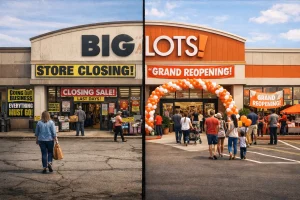
At the start of 2026, the clear answer is no. Big Lots is not completely going out of business, but it is operating very differently than it did before bankruptcy. The restructuring process intentionally reduced the company’s size to preserve long-term viability.
Big Lots is Not Fully Shutting Down
Despite widespread closures, hundreds of Big Lots stores remain open across the US. Many continue operating under the original brand name, supported by new ownership.
Online shopping also remains available, allowing customers in closed markets to continue purchasing.
Strategic Move to Shed Underperforming Stores
The bankruptcy allowed Big Lots to exit leases that were no longer profitable.
By closing underperforming locations, the company reduced overhead and focused resources on stores with stronger sales performance. This strategy aligns with broader retail trends seen across the industry.
Ongoing Operations Under New Ownership
Variety Wholesalers now operates the retained Big Lots locations. This transition brought operational changes, including remodeled stores and a refined product mix.
Leadership emphasized returning to Big Lots roots as an extreme value retailer rather than competing directly with larger mass merchants.
Consumer Takeaway With a Focused Footprint
For shoppers, this means fewer locations but better-stocked stores in key regions. The Big Lots of 2026 is smaller, more regional, and more selective.
While the brand no longer dominates nationally, it continues serving communities where demand remains strong.
Despite widespread store closures, Big Lots CEO Bruce Thorn reassured customers by stating,
“Though the majority of our store locations are profitable, we intend to move forward with a more focused footprint to ensure that we operate efficiently and are best positioned to serve our customers.”
His words reflect a strategic shift, not a total shutdown, and align with the company’s efforts to prioritize high-performing locations while exiting unprofitable markets.
Which Big Lots Stores Are Still Open in 2026?
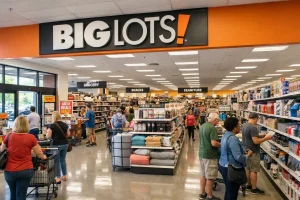
As of 2026, Big Lots maintains a presence in multiple states, particularly in the Southeast, Midwest, and parts of the Mid-Atlantic.
These stores are largely those acquired and operated by Variety Wholesalers during the bankruptcy process.
Regional Coverage and Operating Strategy
Big Lots focused on states where discount retail remains strong and where Variety Wholesalers already had infrastructure.
North Carolina, Ohio, Georgia, Florida, Mississippi, and Pennsylvania remain key markets. The strategy prioritizes manageable logistics and established customer bases.
Select Big Lots Stores Still Operating by State
| State | Example Locations |
| North Carolina | Asheboro, Greensboro, Fayetteville, Hickory |
| Ohio | Akron, Columbus, Cincinnati, Cleveland |
| Mississippi | Pearl, Tupelo |
| Florida | Brandon, Jacksonville, Fort Myers |
| Georgia | Marietta, Valdosta, Brunswick |
These locations represent a portion of the stores that stayed open or reopened after restructuring. Availability varies by region, and not all former Big Lots markets remain active.
Other Retailers Taking Over Former Big Lots Locations
Not all closed Big Lots stores remained vacant. Other discount retailers stepped in to acquire former locations.
Ocean State Job Lot purchased 15 former Big Lots stores across several Northeastern states. Ollie’s Bargain Outlet also announced plans to acquire around 40 former Big Lots locations.
These acquisitions highlight continued demand for discount retail real estate even as individual brands restructure. For consumers, this often means another bargain retailer replaces Big Lots rather than an empty storefront.
What Does the Future Hold for Big Lots?
Looking ahead, Big Lots future depends on disciplined growth and operational focus.
Leadership and analysts agree that survival depends on staying true to the value-driven model that built the brand originally.
The company aims to improve inventory selection, sharpen pricing strategies, and reduce unnecessary complexity.
Variety Wholesalers executives have emphasized gradual improvement rather than rapid expansion. Stores are expected to continue remodeling through 2026, with a focus on closeout deals, national brands, and seasonal bargains.
While Big Lots may never return to its former size, its streamlined structure improves the chances of long-term stability.
Industry expert Michael Ryan sees the restructuring as an opportunity for Big Lots to return to its roots, noting,
“They’re essentially getting back to basics. Returning to their extreme bargain roots that worked well before they lost their way.”
This statement supports the ongoing rebranding and reopening strategy under Variety Wholesalers, signaling a renewed focus on value-driven inventory and sharper discount pricing.
How Will This Affect US Retail in 2026?
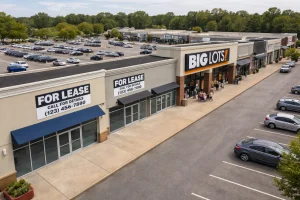
The Big Lots restructuring reflects broader changes in the US retail landscape. Many chains face similar pressures from inflation, higher interest rates, and evolving consumer habits.
Analysts note that nearly one quarter of large US shopping malls could close by 2027, reshaping physical retail.
Key impacts on US retail include:
- Continued decline of oversized store networks
- Greater emphasis on profitable regional footprints
- Increased role of liquidation and asset firms
- More competition among discount retailers
Big Lots story serves as a case study in how legacy retailers adapt rather than disappear.
Should Shoppers Worry?
For most shoppers, there is little reason for concern in 2026. Big Lots remains open in many states, and online shopping continues uninterrupted. Customers should expect fewer locations overall, but those that remain are designed to offer better value and improved assortments.
Shoppers may notice clearance driven pricing as stores adjust inventory, especially in reopened locations.
However, bankruptcy does not mean gift cards immediately lose value or warranties disappear. As experts explain, restructuring often strengthens operations rather than ending them. Staying informed about local store status is the best approach.
Conclusion
So, is Big Lots going out of business? The answer in 2026 is more nuanced than a simple yes or no. Big Lots went through bankruptcy, closed hundreds of stores, and dramatically reduced its footprint.
Yet the brand survived through restructuring, new ownership, and a renewed focus on value retail. With hundreds of stores still operating and selective reopenings underway,
Big Lots continues serving customers across key US regions. While it no longer resembles the nationwide chain it once was, Big Lots remains active and evolving.
For shoppers, this means fewer locations but a clearer commitment to bargain-focused retail rather than complete disappearance.
FAQs
Is Big Lots still in business in 2026?
Yes, Big Lots is still in business in 2026 with a smaller number of stores. Many locations continue operating under Variety Wholesalers.
Did Big Lots file for bankruptcy?
Big Lots filed for Chapter 11 bankruptcy in September 2024. The filing allowed it to restructure debt and close underperforming stores.
Who owns Big Lots now?
Gordon Brothers acquired key assets, which were transferred to Variety Wholesalers. Variety Wholesalers now operates many Big Lots locations.
Are all Big Lots stores closing?
No, not all stores are closing. Hundreds remain open or have reopened in select states.
Why are Big Lots stores closing?
Closures were driven by declining sales, high inflation, rising interest rates, and changing shopping habits. Bankruptcy allowed the company to reduce costs.
Can customers still shop online at Big Lots?
Yes, Big Lots continues to operate its online store. Online shopping remains available even in areas without physical stores.
Will Big Lots open new stores again?
Future openings are expected to be limited and strategic. The focus remains on stabilizing existing locations rather than rapid expansion.