


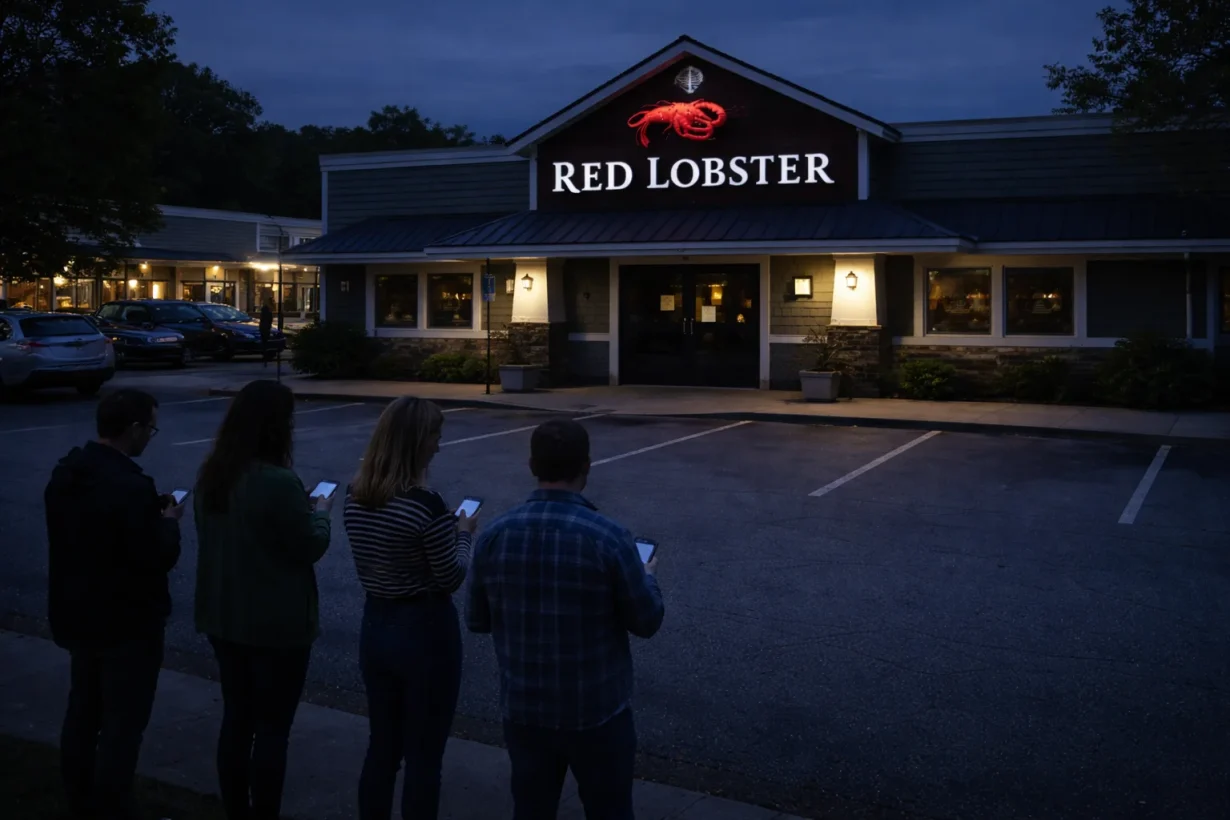

The short answer is no, but the chain is going through significant restructuring. After filing for Chapter 11 bankruptcy in May 2024, Red Lobster closed over 99 locations and emerged later that year under new ownership.
It continues to operate around 500 restaurants and is working on a turnaround strategy to return to profitability.
Key points covered in this blog:
- Reasons behind the 2024 bankruptcy filing
- Store closures during and after restructuring
- New ownership and CEO Damola Adamolekun’s recovery plan
- Updated Lobsterfest menu and pricing strategy
- Integration of AI for improved customer service
- Targeted layoffs and cost-cutting measures
- Long-term future outlook and operational adjustments
What Happened to Red Lobster in 2024?
In 2024, Red Lobster made headlines across the country after filing for Chapter 11 bankruptcy. For a restaurant chain that had been a familiar name in American dining since the late 1960s, this came as a surprise to many.
Red Lobster, once synonymous with casual seafood dining, found itself struggling under the weight of mounting debt, high operational costs, and poor financial decisions.
The Chapter 11 filing wasn’t an isolated event. It followed years of challenges including declining foot traffic, competition from fast-casual and delivery services, and underperforming marketing strategies.
Notably, the decision to make the Endless Shrimp deal a permanent feature in 2023 proved to be a costly error. The promotion, which offered unlimited shrimp for around $20, brought customers in but also led to millions in operating losses.
As part of the bankruptcy process, Red Lobster closed over 99 restaurants across the United States. Many of these locations were operating at a loss, locked into expensive leases, or based in areas where customer traffic had significantly declined.
Why Did Red Lobster File for Chapter 11 Bankruptcy?
Filing for Chapter 11 allowed Red Lobster to reorganize its finances without ceasing operations. Chapter 11 is typically used by large businesses to restructure debt while continuing to operate.
For Red Lobster, this legal route provided a temporary financial shield while a new ownership structure and operational strategy could be put in place.
Several key factors led to this decision:
- The company reported a $22 million loss in 2023, partly due to ineffective promotional strategies.
- Its majority stakeholder, Thai Union Group, expressed concerns and sought to divest, signaling deeper financial instability.
- High food costs and inflation made it increasingly difficult to offer budget-friendly seafood meals without impacting profitability.
Instead of shutting down, the company used this period to exit unprofitable leases and secure new backing to stabilize operations.
How Did Red Lobster Exit Bankruptcy and Who Owns It Now?
Later in 2024, Red Lobster successfully exited Chapter 11 bankruptcy after a judge approved its sale to a group led by Fortress Investment Group.
This new ownership group took control of the company and provided the financial support needed to begin a turnaround process.
Who Are the New Owners Behind Red Lobster’s Recovery?
Fortress Investment Group, along with a few other financial partners, took over operations with the intent to revitalize the brand. Fortress, known for managing complex restructurings, saw value in Red Lobster’s brand recognition and customer loyalty.
Their plan focused on capital infusion, lease renegotiation, and leadership changes. By acquiring the chain during bankruptcy, the investors were able to purchase it at a lower valuation while avoiding much of its previous debt.
What Was the Judge’s Role in Approving the Sale?
The bankruptcy court judge played a crucial role in approving the sale. Under U.S. bankruptcy law, any sale of assets under Chapter 11 must be approved by the court to ensure fairness to creditors.
In this case, the court allowed Red Lobster to sell its business while rejecting over 100 lease agreements for underperforming locations.
This legal step helped the company eliminate liabilities and focus on its most viable outlets. The approval marked a turning point, giving the brand a clean slate for financial and operational recovery.
Is Red Lobster Still Closing Locations?
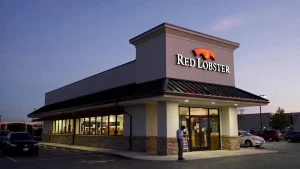
While Red Lobster exited bankruptcy, closures haven’t entirely stopped. The company has continued to close some locations. However, these closures are part of routine business decisions and not related to insolvency. The goal is to streamline the business and concentrate on profitable locations.
Are These Closures Part of a Long-Term Strategy?
Yes, the post-bankruptcy phase includes optimizing the brand’s footprint. Red Lobster has acknowledged that some stores were no longer financially sustainable, especially in regions with high overhead or declining customer demand.
The company is now evaluating each restaurant based on its contribution to the bottom line. Stores that fail to meet performance benchmarks are being closed or considered for relocation. These decisions are intended to boost profitability without sacrificing brand presence in core markets.
What’s Red Lobster’s Turnaround Plan Under New CEO Damola Adamolekun?
Red Lobster’s turnaround is being led by Damola Adamolekun, a 36-year-old executive with a proven track record of revitalizing restaurant brands.
Formerly the CEO of P.F. Chang’s, he brought that company back from crisis during the pandemic. Now, he’s applying a similar approach to Red Lobster.
Adamolekun has outlined a plan that focuses on cost-cutting, modernizing operations, and rebranding the customer experience. He has already ruled out a return of the Endless Shrimp promotion, calling it financially unsustainable.
Red Lobster is currently investing $60 million into upgrading its restaurants.
This includes:
- Fixing HVAC systems and interiors in older locations
- Updating music, lighting, and overall ambiance
- Hiring seasoned restaurant-industry executives
“Some people refuse to set ambitious goals because they’re terrified of failure. I’m not afraid of that,” Adamolekun told Fortune. “You do your best and try to win.”
A restaurant industry consultant I interviewed recently told me:
“This is one of the boldest recovery plans we’ve seen in the dining sector since the pandemic. Adamolekun knows the numbers, and he’s not afraid to make unpopular decisions if they serve long-term growth.”
As a writer closely following hospitality trends, I can see the potential in this plan. The leadership is shifting away from gimmicks and towards genuine value, which might be the brand’s best bet at sustaining itself in a competitive market.
What New Menu Items and Promotions Are Helping Red Lobster Bounce Back?
In 2025, Red Lobster brought back its flagship Lobsterfest, but with a more strategic pricing model and product mix. The menu now includes innovative dishes that aim to appeal to a wider demographic while still offering value.
| New Dish | Description |
| Lobster Pasta au Gratin | Cavatappi pasta with creamy lobster cheese sauce and mozzarella topping |
| Crispy Dragon Teriyaki Lobster | Crispy lobster tail with sweet and spicy teriyaki glaze |
| Lobsterfest Duo | Two grilled lobster tails wrapped around sea scallops, served with sides |
| Seafood Boil Bag | Customizable mix of lobster tails, shrimp, potatoes, and corn |
| Create Your Own Lobster Dream | Choose from 2 or 3 lobster dishes, mix-and-match style |
The “Create Your Own Lobster Lover’s Dream” is especially popular for its flexibility and value. It allows guests to tailor their experience while helping the company manage food cost more efficiently.
Cocktails have also been revamped:
| Cocktail | Ingredients |
| The Lobstar | Margarita with Hennessy VS and Grand Marnier |
| Shoreline Spritz | Grey Goose vodka, elderflower, mint, sparkling wine |
| Dockside Sipper | Casamigos Reposado, lime, honey, grenadine |
These options enhance the dining experience and contribute to higher per-customer revenue.
How Is Technology Like AI, helping Red Lobster’s Customer Experience?
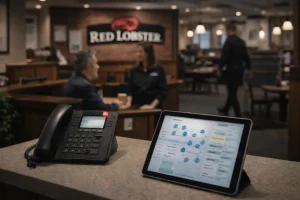
Red Lobster has started rolling out artificial intelligence to support its service operations. A newly introduced AI phone agent is now deployed across all locations to handle incoming calls.
This virtual assistant can:
- Answer frequently asked questions
- Help customers place to-go orders
- Route calls to live agents when needed
The purpose behind this AI integration is to improve service speed and reduce the workload on in-store staff. Guests who used to face long wait times during peak hours now get instant responses to basic questions about menu items, store hours, and reservations.
This system also helps the chain manage higher call volumes without additional staffing costs, which is especially important as the company recovers financially.
Did Red Lobster Announce Any Layoffs During the Restructuring?
Yes, the company confirmed targeted layoffs affecting fewer than 200 employees. Most of the layoffs occurred at the restaurant level and involved management staff. These changes were described as a strategic move to build a more agile organization.
| Department Affected | Type of Employees | Approx. Number |
| Restaurant Operations | Location Managers | 120 |
| Support Staff | HR, Training | 45 |
| Marketing | Regional Reps | 25 |
Red Lobster emphasized that these layoffs represented less than 1 percent of its workforce and were carefully planned to minimize operational disruption.
What’s the Timeline of Red Lobster’s Financial History Leading to Bankruptcy?
Understanding the brand’s historical performance helps clarify how it ended up in financial trouble.
Below is a timeline of major milestones:
| Year | Event |
| 1968 | First Red Lobster opens in Lakeland, Florida |
| 1984 | Lobsterfest is introduced |
| 2003 | Endless Shrimp promotion begins |
| 2014 | Sold to Golden Gate Capital for $1.2 billion |
| 2020 | Thai Union Group becomes majority owner |
| 2023 | Endless Shrimp becomes permanent, causing losses |
| 2024 | Files for Chapter 11 and closes 99+ locations |
| Late 2024 | Exits bankruptcy under new ownership |
This timeline shows a clear pattern: rapid expansion, heavy reliance on promotions, followed by financial decline and eventual restructuring.
Is Red Lobster Really Going Out of Business or Just Shrinking Operations?
The question “Is Red Lobster going out of business?” can now be answered more definitively. The chain is not disappearing from the restaurant landscape. It is reducing its footprint and refocusing its business model, but it continues to operate hundreds of locations across the country.
| Factor | Status |
| Bankruptcy | Completed, exited in 2024 |
| Store Count | Approximately 500 in 2025 |
| Ownership | Fortress Investment Group |
| Leadership | Damola Adamolekun, CEO |
| Menu Changes | Lobsterfest, AI tech, reduced inefficiencies |
Red Lobster’s current path reflects a broader industry trend: consolidate, modernize, and target core strengths. The brand is learning from its past missteps and adapting to survive in an evolving marketplace.
What Operational Changes Is Red Lobster Making to Ensure Long-Term Stability?
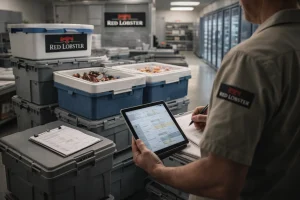
Behind the scenes, Red Lobster is making a number of internal changes to support long-term financial health and organizational resilience.
While much of the public focus has been on leadership changes and the updated menu, several operational improvements are underway that aim to solidify the brand’s foundation.
Red Lobster is implementing a centralized supply chain system to gain better control over food costs and reduce inventory waste.
With the high cost and volatility of seafood ingredients, more efficient supply management has become a necessity. This includes renegotiating contracts with vendors and exploring partnerships with regional seafood distributors.
Another major operational change is the implementation of new training protocols for staff. The brand is focusing on consistency of service across locations, which has been a challenge historically due to its wide footprint and decentralized management style.
In terms of cost control, Red Lobster has adopted a new technology-driven approach to scheduling and labor optimization.
Using predictive analytics, store managers can now forecast staffing needs based on time of day, day of the week, and even seasonal sales trends. This helps reduce overstaffing during slow periods and ensures coverage during peak hours.
| Operational Area | New Strategy in Place |
| Supply Chain | Centralized procurement and vendor renegotiations |
| Labor Efficiency | Predictive scheduling tools for managers |
| Employee Training | Updated modules focused on service consistency |
| Inventory Control | Real-time stock tracking and waste reduction |
These internal shifts are less visible to customers but critically important to Red Lobster’s recovery and future profitability. They show that the company’s restructuring is not just cosmetic but is rooted in long-term operational discipline.
Conclusion
Red Lobster is not going out of business, but it is undergoing major changes to stay afloat.
After navigating bankruptcy and closing underperforming locations, the chain is now focused on restructuring, updating its menu, and improving customer experience.
With strong leadership and strategic investments, Red Lobster aims to regain stability and profitability. While it may look different from the past, the brand is actively working to remain a part of America’s dining landscape for years to come.
FAQs About Red Lobster’s Business Status
Why did Red Lobster close so many restaurants in 2024?
Due to financial losses and high operational costs, Red Lobster shut down underperforming locations as part of a Chapter 11 bankruptcy restructuring.
Is my local Red Lobster still open?
That depends on your location. About 500 Red Lobsters remain open. It’s best to check their official website or call ahead.
What caused Red Lobster’s bankruptcy?
Mismanaged promotions, high debt, inflation, and a difficult post-pandemic restaurant landscape all contributed to the filing.
Who is leading Red Lobster’s recovery now?
Damola Adamolekun, a seasoned restaurant executive, is currently leading Red Lobster’s turnaround efforts.
Will Lobsterfest still continue in the future?
Yes, Lobsterfest is still a major part of Red Lobster’s brand strategy and continues to evolve with new dishes.
How many Red Lobster locations are left in 2025?
As of early 2025, Red Lobster operates around 500 locations across the United States.
Is Red Lobster investing in any new services or technologies?
Yes, they’ve introduced AI phone agents and are renovating existing locations with upgraded decor and technology.