






Seeking guardianship of a child is a serious responsibility that traditionally involves legal proceedings in court. However, there are practical and legally recognized alternatives that allow individuals to gain guardianship without enduring the time, cost, and stress of a courtroom.
Parents facing temporary issues like illness, travel, military deployment, or other personal circumstances may prefer non-court methods to ensure their child’s care is uninterrupted.
Guardianship without court generally involves written agreements, notarized documents, and full parental consent.
Legal tools such as Power of Attorney for a minor or Caregiver’s Authorization Affidavit help transfer caregiving responsibilities temporarily.
While these options are not permanent and vary by state, they are incredibly useful for short-term solutions and emergencies.
In this blog, we will explore all the available alternatives to court-appointed guardianship, step-by-step instructions, legal requirements, and what to expect, so you can make an informed decision with confidence.
What Is Guardianship and Why Does It Matter?

Guardianship is a legal arrangement where an adult is authorized to make important decisions on behalf of a minor child.
This includes decisions about healthcare, education, living arrangements, and other aspects of the child’s daily life.
A guardian takes on the responsibilities that a parent would normally handle, ensuring the child’s needs are met, especially when the parents are temporarily or permanently unable to do so.
This role becomes crucial when a child’s well-being might be compromised due to parental absence, illness, or incapacity. Guardianship ensures the child is under the care of someone who is both trustworthy and capable.
It creates a stable and safe environment, offering legal backing for the adult caring for the child.
There are two main types of guardianship: temporary and permanent.
Temporary guardianship is typically short-term and reversible, while permanent guardianship requires court approval and can involve a longer-term separation from parental rights.
Understanding this distinction is essential before deciding the most suitable route for your specific situation.
Can You Really Get Guardianship Without Going to Court?
Yes, it is possible to obtain guardianship of a child without going to court, especially in temporary or emergency situations.
Non-court guardianship arrangements are legal in many states, provided certain conditions are met, mainly parental consent and proper documentation.
These alternatives offer families a simpler, faster, and often less expensive way to protect a child’s welfare without legal intervention.
These arrangements are not meant for every scenario, and they have limitations.
However, in appropriate situations, they serve as effective legal tools to assign temporary caregiving authority to a trusted adult.
Is It Legally Recognized?
In most U.S. states, informal or non-court guardianship is recognized through documents such as:
- Power of Attorney (POA) for a Minor
- Caregiver’s Authorization Affidavit
- Temporary Guardianship Agreement
- Voluntary Authorization Agreements
- Designation of Person in Parental Relationship
These documents must be notarized and signed by the parents to be considered legally binding.
While they do not hold the same authority as a court order, they are widely accepted by schools, medical institutions, and other entities.
However, legal recognition can vary by jurisdiction, so it’s essential to confirm local laws before proceeding.
How is Temporary Guardianship Different From Permanent Court-appointed Guardianship?
Temporary guardianship and court-appointed guardianship differ in several key ways:
- Duration: Temporary guardianship is often used for a few weeks or months. Permanent guardianship may last indefinitely and can sever or limit parental rights.
- Legal Process: Temporary guardianship can be created through signed, notarized agreements without going to court. Permanent guardianship requires a judge’s approval.
- Authority: Temporary guardians can make decisions related to daily care, education, and medical treatment, but their authority may be limited compared to court-appointed guardians.
- Parental Rights: In a temporary setup, parents retain full legal rights and can revoke the agreement. In permanent guardianship, parental rights may be suspended or terminated.
Understanding these differences helps families choose the most appropriate route.
If the child’s situation is short-term and the parents are cooperative, guardianship without court is not only possible, it is highly effective and convenient.
What Legal Alternatives Exist to Avoid Court?
There are multiple non-court legal alternatives that allow a parent or legal guardian to grant caregiving rights to another adult without the need to go through formal court proceedings.
These options are designed to be faster, less stressful, and more flexible, making them ideal for temporary arrangements or emergency situations where a child needs care but court involvement may not be necessary or feasible.
These legal tools empower trusted individuals, often relatives or close family friends, to step in and provide stability, education, healthcare, and day-to-day care for a minor child.
Although they do not carry the same weight as court-appointed guardianship, when properly executed, they are often legally recognized and accepted by schools, medical providers, and other institutions.
Let’s explore the most common and legally reliable alternatives to court-based guardianship.
What Is a Power of Attorney for a Minor and How Does It Work?

A Power of Attorney (POA) for a minor is one of the most effective tools for temporarily assigning legal authority to another adult.
It enables parents to delegate decision-making responsibilities concerning their child to someone they trust, without relinquishing legal custody or permanently altering their parental rights.
What Does It Authorize?
A Power of Attorney for a minor allows the designated individual to make decisions in several important areas:
- School Enrollment and Communication: The temporary guardian can enroll the child in school, attend meetings, sign permission slips, and communicate with school officials.
- Medical and Emergency Care: The individual can take the child to doctor’s appointments, authorize treatments, and make emergency decisions if the child becomes sick or injured.
- Daily Supervision and Living Needs: The guardian can handle routine matters like meals, transportation, clothing, and general day-to-day care.
- Extracurricular and Recreational Activities: They may also be authorized to sign waivers for sports, field trips, and other enrichment programs.
The scope of these powers should be clearly stated in the POA document to avoid ambiguity and ensure the caregiver’s authority is respected.
When Should You Use It?
A POA is especially useful during:
- Military deployment: When one or both parents are away on duty.
- Extended travel: If parents are traveling abroad for work or personal reasons.
- Medical treatment or rehabilitation: When a parent is temporarily incapacitated or undergoing long-term treatment.
- Family emergencies: If an unexpected situation prevents the parent from caring for the child.
Most states allow POAs to remain valid for up to 6 to 12 months, but this varies, so it’s crucial to check state-specific limitations.
How Does a Caregiver’s Authorization Affidavit Help?
A Caregiver’s Authorization Affidavit is a powerful tool that allows non-parent caregivers, especially relatives, to make certain decisions about a child’s education and medical care without needing court-ordered guardianship.
Who Can Use It?
This affidavit is commonly used by:
- Grandparents
- Adult siblings
- Aunts or uncles
- Adult cousins
- Family friends (in some states)
However, some jurisdictions restrict the use of this affidavit to biological or legal relatives. Before relying on this option, check your state’s laws to confirm eligibility.
What Rights Does It Give?
While not as broad as legal custody, this document empowers the caregiver to:
- Enroll the child in public school
- Consent to school-related services and activities
- Authorize medical and dental treatment
This can be particularly helpful in avoiding legal delays when the child needs immediate schooling or healthcare and the parent is unavailable.
The affidavit does not transfer full parental rights, nor does it allow for long-term relocation or financial management.
Can You Use a Temporary Guardianship Agreement Instead of Court?
Yes, and it is often the simplest and most direct alternative to court involvement.
A Temporary Guardianship Agreement allows parents to temporarily assign caregiving duties to another person they trust, without legal intervention.
What Should It Include?
To ensure legal recognition, this written agreement should include:
- Full legal names and contact information of the parents and designated guardian
- The child’s full name and date of birth
- Clear start and end dates of the guardianship period
- Specific responsibilities assigned (e.g., education, healthcare, housing)
- Emergency and consent provisions
- Signatures of both parents and the guardian
- Notarization to confirm authenticity and intent
Some families also include clauses that allow the guardian to make religious or extracurricular decisions based on the child’s routine.
How Long Does It Last?
Most temporary guardianship agreements are valid for 30 days to 6 months, depending on state regulations. Some states allow renewal or extensions, but others may require court approval beyond a certain period.
Always check local laws to avoid unintentionally creating an invalid or expired arrangement.
What Is a Designation of Person in Parental Relationship (DOPR)?
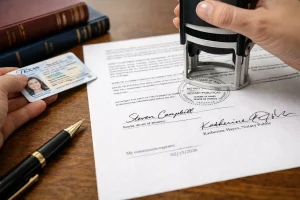
The Designation of Person in Parental Relationship, or DOPR, is a legal form available in certain states, most notably New York, that allows a parent to name someone else to temporarily care for their child.
Which States Allow This?
Currently, DOPR is most common in New York, but similar forms exist in some other states under different names. It is typically used in short-term absence scenarios, such as incarceration, hospitalization, or immigration-related issues.
How is It Different From POA?
Unlike a general POA, DOPR is usually narrower in scope and is primarily intended to help the child continue receiving:
- Public education
- Routine medical care
- Day-to-day supervision
It often doesn’t grant broader powers like financial authority or the ability to relocate the child. However, it’s a legally valid tool for maintaining a child’s care in emergency or transitional situations, especially when the parent is expected to return.
What Is a Voluntary Authorization Agreement?
A Voluntary Authorization Agreement is a notarized, informal agreement where parents grant temporary caregiving rights to another adult.
It is widely accepted for low-risk, short-term arrangements, especially when both parents are cooperative and present.
What Makes It Valid?
To be legally sound, the agreement must:
- Be signed by both parents, unless one has sole custody
- Specify the duties delegated, such as school registration or medical consent
- Be notarized to verify authenticity and prevent disputes
Some states may have specific forms, while others allow custom-drafted agreements. Legal advice is recommended to ensure compliance with local requirements.
When is It Commonly Used?
This agreement is useful when:
- A child is staying with a relative due to relocation or school changes
- A parent is undergoing short-term treatment or recovery
- The family wants a quick, flexible option for non-permanent caregiving
It’s best suited for scenarios where no legal disputes are expected, and the arrangement is mutually agreed upon by all parties.
What Is Standby Guardianship and When Is It Needed?
Standby Guardianship allows a parent to designate a future guardian who will step in only if the parent becomes incapacitated or dies.
It is a preemptive legal strategy often used by individuals with serious or terminal illnesses.
Does It Involve Court Later?
Yes, but not right away. The document takes effect immediately upon the occurrence of a triggering event, such as incapacity, death, or disappearance.
A court filing is only required once the event occurs, making it an excellent hybrid between informal planning and formal legal control.
How Does It Work for Ill or Unavailable Parents?
This method allows parents to plan for continuity without giving up parental rights too soon.
The designated standby guardian can be prepared in advance, ensuring a smooth transition and avoiding delays during a crisis.
- It provides peace of mind
- Ensures the child is not left without care during emergencies
- Reduces the risk of foster care placement
However, it’s important to ensure that all paperwork is in order and reviewed by a legal expert, especially if court validation will eventually be needed.
Each of these non-court legal alternatives offers unique advantages depending on the urgency, duration, and nature of care required.
Parents must carefully evaluate their situation and the needs of the child before selecting the most appropriate method.
Notarization, clear terms, and mutual consent remain key to ensuring these alternatives are both legally valid and respected by institutions.
What Are the Key Legal Requirements for These Methods?
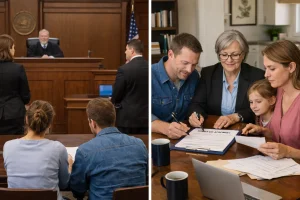
When opting for guardianship without court involvement, certain legal requirements must be followed to ensure the agreement is recognized and enforceable.
These safeguards ensure that both the child’s rights and the guardian’s authority are protected.
Do Both Parents Need to Agree?
In most cases, yes. A legally valid guardianship document must be signed by both parents if they share legal custody. If only one parent has custody, that parent can authorize the guardianship. Consent should be:
- Written clearly and without coercion
- Voluntarily agreed upon by all legal guardians
- Acknowledged by both parents when applicable
Without proper consent, the agreement could be legally challenged.
Does the Document Have to Be Notarized?
Yes, notarization is strongly recommended and often required. A notary public will verify:
- The identity of the signers
- The intent behind the agreement
- That all signatures are voluntarily given
A notarized document is more likely to be accepted by schools, hospitals, and other institutions and helps prevent future disputes.
What Should Be Included in the Written Agreement?
A properly drafted guardianship agreement must include:
- Full names and addresses of parents and guardian
- Child’s full name and birthdate
- Duration of guardianship
- Scope of authority given (medical, educational, general care)
- Signatures of all parties
- Notary acknowledgment
Additionally, the document should mention any limitations to authority, expiration dates, and revocation clauses if applicable.
Ensuring all these elements are in place is essential to making the arrangement legally valid and respected by third parties.
In What Situations Is Non-Court Guardianship Common?
Non-court guardianship is often used in temporary or urgent circumstances where parents are temporarily unavailable but do not wish to relinquish legal custody permanently.
These arrangements offer a practical solution in various real-life situations, especially when quick action is needed.
Common scenarios include medical emergencies, where a parent is hospitalized and cannot care for the child.
In such cases, a temporary guardian can handle medical appointments, sign consent forms, and manage daily care.
Another example is military deployment, where a parent serving overseas may want to delegate caregiving responsibilities to a trusted relative or friend during their absence.
Parental travel is another frequent cause, especially when the parent is going abroad for work or extended vacations.
Some parents also use these methods during rehabilitation or recovery periods, or if facing immigration issues that affect their legal presence.
In each of these cases, having a legal document like a Power of Attorney or Temporary Guardianship Agreement in place allows the child to receive uninterrupted care without involving the court.
What Are the Limitations of Guardianship Without Court?

Although non-court guardianship is incredibly useful in many situations, it does have its limitations.
These limitations can affect how much authority a temporary guardian has and how institutions respond to the arrangement.
Understanding these challenges is crucial before relying solely on informal agreements.
Will All Institutions Accept These Documents?
Not necessarily. Some schools, hospitals, or government agencies may require court-issued guardianship documents, especially in long-term or high-risk situations.
While many institutions accept notarized Power of Attorney or caregiver affidavits, acceptance is not guaranteed. Private schools or clinics may have stricter policies regarding legal guardianship status.
- Public schools usually accept notarized documents
- Hospitals may require proof in emergencies but can act on caregiver affidavits
- Insurance companies and banks may reject non-court documents
To avoid issues, guardians should carry multiple copies of the document and consult with institutions ahead of time to confirm what is accepted.
Is the Guardian’s Authority Legally Binding Everywhere?
Authority is limited and varies by state. Non-court guardianship does not give full legal custody. It grants decision-making power in specified areas but often excludes major legal or financial decisions.
Also, certain states may not recognize all informal guardianship methods or may have expiration limits.
- Most agreements are only valid within the issuing state
- Cross-state recognition can be problematic
- Some decisions may still require parental input
What Are the Risks?
There are a few legal and practical risks to consider:
- Revocability: Since the parent can revoke the agreement at any time, the guardian’s role can be unstable.
- Legal Disputes: If another parent or family member challenges the guardianship, a court might need to step in.
- Limited Legal Protection: Guardians may not be protected from liability or have the right to make certain legal decisions.
Despite these risks, non-court guardianship remains a valuable short-term solution for many families. However, it’s essential to assess the limitations before relying solely on these methods for long-term care.
How Do You Set Up Guardianship Without Going to Court?

Setting up a guardianship arrangement without court involvement can be straightforward when following the correct legal steps.
This process ensures that the child receives proper care and the guardian is legally empowered to make necessary decisions.
What Steps Should You Follow?
- Discuss with the Parents: Ensure both parents agree and understand the purpose of temporary guardianship.
- Choose the Right Method: Select the appropriate document based on the situation (POA, caregiver affidavit, etc.).
- Draft the Agreement: Include names, responsibilities, duration, and powers granted.
- Review State Laws: Verify that your state permits this type of arrangement and if there are specific forms required.
- Get the Agreement Notarized: This adds legal weight and credibility to the arrangement.
- Distribute Copies: Provide signed copies to schools, doctors, and any other relevant parties.
What Legal Documents Are Needed?
Depending on the chosen method, you may need:
- Power of Attorney for a Minor
- Caregiver’s Authorization Affidavit
- Temporary Guardianship Agreement
- Designation of Parental Relationship Form (for states like NY)
- Standby Guardianship Designation (if pre-planning for illness)
Each document should clearly outline responsibilities and time limits and be notarized.
How Do You Ensure Legal Validity?
To make sure the arrangement is respected by institutions:
- Include both parents’ signatures when applicable
- Have the document notarized in front of a licensed notary
- Ensure that dates, child’s full name, and scope of authority are clearly defined
- Confirm the document aligns with your state’s regulations
Lastly, keep extra copies on hand and maintain open communication with involved parties to ensure smooth coordination.
When Is It Necessary to Go Through the Court System?
While informal guardianship is useful in many cases, there are situations where legal intervention becomes necessary.
Court involvement is often unavoidable when:
- Parents do not agree on the guardianship arrangement
- One parent is absent or unresponsive
- There are concerns about the child’s safety, such as neglect, abuse, or domestic violence
- The arrangement needs to be long-term or permanent, which may affect custody and parental rights
- Institutions refuse to accept non-court documents, making legal orders necessary for access to services
In these cases, a court hearing ensures that the child’s best interests are evaluated and protected by a judge.
Court-appointed guardianship may also provide broader authority, including handling finances, insurance, and educational plans that temporary agreements cannot cover.
Though court procedures may take more time, they offer long-term legal protection and are the best route in high-risk or complex family situations.
How Does Non-Court Guardianship Compare with Court-Appointed Guardianship?
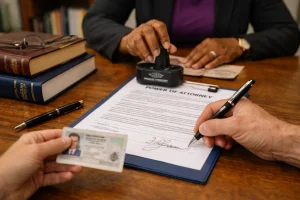
Non-court and court-appointed guardianship differ in structure, recognition, and use cases. Choosing the right one depends on the specific needs of the child and the family situation.
Non-court options are faster, more flexible, and generally suitable for short-term or emergency care.
These arrangements can be revoked anytime by the parent and are ideal when both parents are in agreement and able to sign documents. However, their acceptance varies by institution and state.
Court-appointed guardianship, on the other hand, provides long-term legal authority. It is essential in cases where the child’s care cannot be safely managed by the parent or if legal disputes arise.
| Aspect | Non-Court Guardianship | Court-Appointed Guardianship |
| Legal Process | No court involvement | Requires a court hearing |
| Duration | Temporary (short-term) | Can be long-term or permanent |
| Parental Rights | Retained by parents | Can be limited or terminated |
| Authority Scope | Limited to listed duties | Full legal authority |
| Recognition | May vary by state/institution | Legally recognized nationwide |
| Use Case | Emergencies, short-term care | Disputes, long-term needs |
What Are the Rights and Responsibilities of a Temporary Guardian?
A temporary guardian, granted authority through a notarized agreement, holds several important responsibilities. While their role does not replace a parent, it provides the authority needed to care for a child in the parent’s absence.
Their primary responsibility is to ensure the child’s day-to-day safety and well-being. This includes providing food, shelter, education, emotional support, and medical care.
Temporary guardians are also responsible for maintaining a stable environment and routine for the child.
Key rights and duties include:
- Enrolling the child in school or daycare
- Authorizing routine medical care and emergencies
- Attending parent-teacher conferences
- Supervising daily routines and activities
- Making decisions about extracurricular activities or religious participation (if permitted in the document)
However, the guardian’s powers are only as strong as the written agreement allows.
They cannot typically make permanent decisions like changing the child’s name or relocating across states unless specifically stated.
The guardian must also return care to the parents at the end of the agreed period or upon revocation of the agreement.
Conclusion
Gaining guardianship of a child without going to court is not only possible, but it is often the most practical and efficient solution for many families facing temporary challenges.
With the proper legal documentation, notarization, and parental consent, adults can assume caregiving roles and make essential decisions for a child’s education, health, and day-to-day life without stepping into a courtroom.
Understanding the legal tools available, such as Power of Attorney, Caregiver Affidavits, and Temporary Guardianship Agreements, can make all the difference in providing children with stability during uncertain times.
While these methods are not suitable for every case, they offer a flexible, cost-effective option when used appropriately.
By following proper procedures and consulting state-specific guidelines, families can make informed choices that prioritize a child’s safety, comfort, and legal protection.
FAQs
Can a grandparent become a guardian without going to court?
Yes, a grandparent can become a guardian through a notarized agreement like a Caregiver’s Authorization Affidavit or Power of Attorney if the parents consent.
Is notarization mandatory for temporary guardianship agreements?
While not always legally required, notarization ensures authenticity and increases the likelihood that institutions will accept the agreement.
How long does a Power of Attorney for a minor remain valid?
Typically, a POA lasts for up to six months or one year, depending on the state laws and the terms set in the document.
Can the parents cancel the guardianship agreement at any time?
Yes, unless otherwise stated, parents maintain their rights and can revoke the agreement at their discretion.
Will schools accept a non-court guardianship document?
Most public schools accept notarized documents granting temporary guardianship, but policies can vary between districts.
Are non-court guardianship documents recognized across states?
Usually not. Non-court guardianship is state-specific and may not be honored if the child moves to another state.
Can a temporary guardian make medical decisions for the child?
Yes, if the agreement includes medical decision-making authority and is signed and notarized by the parents.