



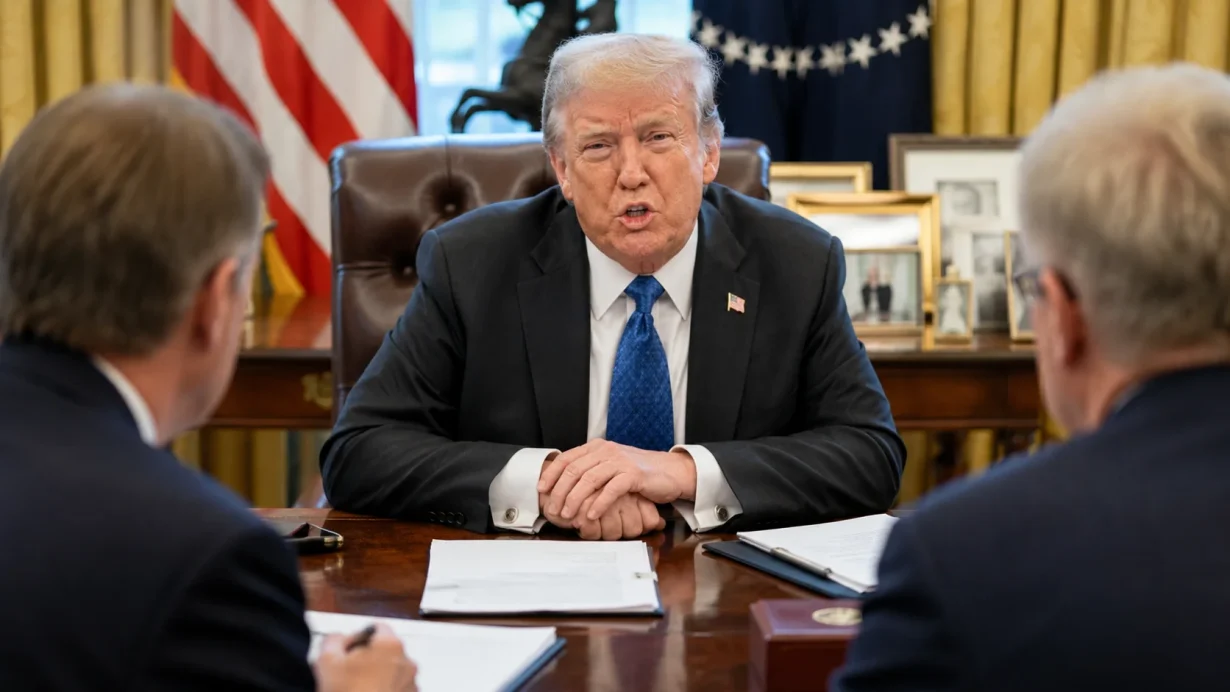

The Trump IRS tax leak settlement has become a major legal and political issue in 2026. The case involved claims that confidential tax information belonging to Donald Trump, his family, and the Trump Organization was improperly disclosed and published.
After filing a $10 billion lawsuit against the IRS and Treasury Department, Trump dismissed the case as the DOJ announced a $1.776 billion “Anti-Weaponization Fund.”
Key highlights:
- Trump dismissed the lawsuit in May 2026
- DOJ announced a $1.776 billion fund
- Democrats called it a political “slush fund”
- Legal experts questioned the lawsuit’s constitutional issues
- Charles Littlejohn previously pleaded guilty to leaking tax data
What Is the Trump IRS Tax Leak Settlement and Why Is It Making Headlines?
The Trump IRS tax leak settlement refers to an agreement between President Donald Trump and the U.S. Department of Justice over the unauthorized disclosure of his tax return information.
The controversy began with leaked tax records from the 2020 election cycle, later linked to a former IRS contractor.
Trump originally sought $10 billion from the IRS and Treasury Department, but the agreement instead created a taxpayer-backed fund for people claiming unfair government targeting.
The case made headlines because critics questioned its constitutional implications, while supporters argued it offered accountability for alleged government misuse of power.
“The machinery of government should never be weaponized against any American, and this process is intended to provide lawful avenues for redress.” – Acting Attorney General Todd Blanche
The settlement continues to generate debate because of its unusual structure and the constitutional questions surrounding presidential authority.
Why Did Donald Trump File a $10 Billion Lawsuit Against the IRS?
Trump filed the lawsuit in January 2026 against the IRS and Treasury Department, alleging they failed to safeguard confidential taxpayer information.
The complaint argued that federal agencies did not properly prevent the unauthorized release of sensitive tax return records.
The Alleged Leak of Trump’s Tax Returns
The controversy traces back to reports published in 2020 that examined Trump’s tax payments and financial filings.
The published records indicated that Trump paid relatively low federal income taxes during several years, including the year he won the presidency.
The reporting reignited long-running political debates surrounding presidential tax transparency and financial disclosures.
Claims Against the IRS and Treasury Department
Trump’s lawsuit alleged that federal agencies neglected their duty to protect taxpayer confidentiality. The complaint claimed the leak caused reputational damage, political harm, and violations of federal privacy laws.
Key allegations included:
- Failure to adequately secure tax return information
- Improper oversight of contractors with IRS access
- Violations of taxpayer privacy protections
- Institutional negligence within federal agencies
The lawsuit also included Eric Trump, Donald Trump Jr., and the Trump Organization as co-plaintiffs.
Role of Former IRS Contractor Charles Littlejohn
The case became more complicated after Charles Littlejohn, a former IRS contractor, pleaded guilty in 2023 to stealing and leaking confidential tax information involving Trump and thousands of wealthy Americans.
In 2024, Littlejohn received a five-year prison sentence for unauthorized disclosure of tax records. His conviction confirmed that confidential IRS data had been improperly accessed and distributed.
The following table summarizes the major parties involved in the case:
| Entity | Role in the Case | Key Details |
| Donald Trump | Plaintiff | Filed $10 billion lawsuit |
| IRS | Defendant | Accused of failing to protect tax data |
| Treasury Department | Defendant | Named alongside IRS |
| Charles Littlejohn | Former IRS Contractor | Pleaded guilty to leaking tax records |
| DOJ | Settlement Authority | Established Anti-Weaponization Fund |
The involvement of multiple government agencies significantly expanded the legal scope of the case.
How Did Trump’s Tax Return Leak Become a National Controversy?

Trump’s tax return leak became a national controversy because presidential tax records are closely tied to transparency, ethics, and financial accountability.
Reports based on leaked records claimed Trump paid only $750 in federal income taxes in certain years and no federal income taxes in several earlier periods, intensifying scrutiny during the election cycle.
Supporters called the leak a serious breach of taxpayer privacy, while critics focused on the tax details and presidential finances.
The dispute grew after Trump returned to office and sued agencies under his own executive authority, raising rare constitutional concerns.
One legal analysis submitted to the court described the situation as:
“An unprecedented legal conflict involving a sitting president seeking damages from agencies operating under executive authority.”
The combination of politics, taxpayer privacy, and constitutional law ensured the case remained a major national story.
What Is the Timeline of the Trump IRS Tax Leak Case?
The lawsuit developed over several years, beginning with leaked tax records and ending with a settlement agreement in 2026.
2020 Tax Return Reports and Media Fallout
Major media outlets published investigative reports based on leaked Trump tax information during the presidential campaign season. The reports generated widespread political debate and legal scrutiny.
Lawsuit Filing in January 2026
Trump, his sons, and the Trump Organization filed the lawsuit in federal court in Florida. The complaint demanded $10 billion in damages and accused the IRS and Treasury Department of negligence.
Settlement and Court Dismissal in May 2026
Ahead of a court deadline requiring constitutional clarification, Trump voluntarily dismissed the lawsuit. The DOJ then announced the Anti-Weaponization Fund as part of the broader settlement arrangement.
Timeline Overview:
| Year | Event | Significance |
| 2020 | Tax reports published | Public controversy begins |
| 2023 | Littlejohn pleads guilty | Leak source identified |
| 2024 | Prison sentence issued | Criminal accountability established |
| Jan 2026 | Trump files lawsuit | Legal battle formally begins |
| May 2026 | Settlement announced | Lawsuit dismissed |
The timeline demonstrates how a tax privacy issue evolved into a major constitutional and political dispute.
What Does the Trump IRS Settlement Agreement Include?
The settlement agreement did not provide direct financial damages to Trump or his family members. Instead, the Justice Department announced a structured compensation mechanism known as the Anti-Weaponization Fund.
The agreement included several important elements:
- Formal apologies to the plaintiffs involved in the lawsuit
- Dismissal of Trump’s claims against the IRS and the Treasury Department
- Establishment of a five-member compensation commission
- Potential claims process for individuals alleging political targeting
- Oversight authority assigned to the attorney general
The DOJ stated that remaining funds after the program concludes in 2028 would return to the federal government.
Critics argued that the agreement effectively redirected taxpayer money toward politically aligned claimants. Supporters defended the arrangement as a lawful response to alleged government overreach.
The settlement became particularly controversial because Trump himself stated that he was not directly involved in structuring the compensation system.
Despite that claim, legal and ethics organizations continued raising concerns regarding conflicts of interest and executive authority.
Understanding the $1.776 Billion Anti-Weaponization Fund
The Anti-Weaponization Fund became the most debated aspect of the settlement because of its size and broad eligibility framework.
How the Compensation Fund Will Operate?
According to the DOJ, the fund will process claims from individuals who believe they suffered from unlawful political targeting or “weaponization” by federal agencies.
Potential forms of relief may include:
- Financial compensation
- Formal written apologies
- Administrative reviews of prior government actions
The claims process is scheduled to remain active until December 15, 2028.
Commission Structure and Oversight Rules
The fund will be managed by a five-member commission appointed by the attorney general. One commission member may reportedly be selected in consultation with congressional leadership.
Fund Structure Overview:
| Component | Details |
| Total Value | $1.776 billion |
| Oversight | DOJ-appointed commission |
| Claim Deadline | December 15, 2028 |
| Compensation Types | Financial relief and apologies |
| Remaining Funds | Returned to government |
The commission’s structure remains a central point of controversy because critics argue it grants substantial political discretion over taxpayer-funded compensation.
Who Could Potentially Benefit from the Anti-Weaponization Fund?
The DOJ indicated that individuals claiming improper targeting by federal agencies could submit applications for review. Reports suggested that some pardoned January 6 defendants and other Trump allies may potentially qualify under the program’s framework.
This possibility immediately triggered criticism from congressional Democrats and ethics watchdogs, who questioned whether taxpayer money could indirectly support politically connected individuals.
At the same time, supporters argued that federal agencies should face accountability if investigations or enforcement actions were improperly motivated.
President Trump commented during a White House exchange:
“There has to be compensation for people that were destroyed. A committee will determine those outcomes.”
Although exact eligibility standards remain unclear, the settlement established one of the largest government-backed compensation programs tied to alleged political targeting claims.
The uncertainty surrounding qualification standards continues to fuel legal and political debate.
Why Are Democrats and Ethics Groups Criticizing the Settlement?
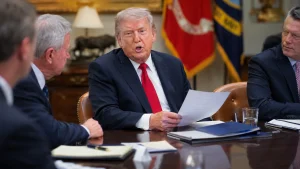
Democratic lawmakers strongly opposed the settlement, describing it as an abuse of taxpayer resources and executive authority.
Several critics referred to the compensation program as a “slush fund,” arguing that it could financially benefit political allies of the president. More than 90 House Democrats reportedly attempted legal action to challenge or block aspects of the settlement.
Key objections included:
- Concerns over taxpayer-funded political compensation
- Potential conflicts of interest involving executive agencies
- Questions about constitutional authority
- Fear of politically motivated claims approvals
Representative Jamie Raskin criticized the arrangement by stating that it represented “an unprecedented presidential misuse of public resources.”
Ethics watchdogs warned the settlement could raise constitutional concerns because Trump oversaw the agencies involved. The case was dismissed after he withdrew the lawsuit.
What Legal and Constitutional Concerns Did the Court Raise?
Judge Kathleen Williams raised concerns about whether the Trump IRS tax leak settlement met the constitutional standards required for federal court review.
Under Article III, courts can only hear genuine disputes between opposing parties, which became complicated because Trump controlled the executive agencies involved.
Key Constitutional Issues Raised:
- Whether the case involved a real legal dispute between adverse parties
- Whether settlement talks were independent from presidential influence
- Whether separation of powers principles were properly protected
- Whether conflicts of interest affected the litigation process
- Whether the public had enough transparency around settlement negotiations
Although the lawsuit was dismissed before full judicial review, these concerns remain important.
The case could influence future debates over presidential authority and lawsuits involving executive branch agencies.
How Could the Trump IRS Tax Leak Settlement Affect Future Government Lawsuits?

The Trump IRS tax leak settlement could affect future lawsuits involving presidents and federal agencies by raising questions over executive power, taxpayer privacy, and government liability.
Legal scholars believe it may increase scrutiny of conflicts of interest when agencies negotiate settlements involving senior officials.
The case also highlights concerns over digital taxpayer data security and contractor oversight.
Supporters see it as accountability for government misconduct, while critics view it as an expansion of presidential influence over federal legal systems. Its political impact may continue beyond the 2026 election cycle.
Conclusion
The Trump IRS tax leak settlement has become a major legal and political flashpoint, raising questions about taxpayer privacy, executive authority, and federal accountability.
The creation of the $1.776 billion Anti-Weaponization Fund intensified debate among Trump allies, Democrats, ethics groups, and legal experts.
Although the lawsuit has ended, concerns remain over oversight, eligibility, constitutional authority, and taxpayer-funded compensation.
The case is likely to remain central to future discussions on executive power and government accountability.
FAQs About Trump IRS Tax Leak Settlement
What penalties did Charles Littlejohn receive for leaking tax data?
Charles Littlejohn was sentenced to five years in federal prison after pleading guilty to unlawfully disclosing confidential taxpayer information.
Did the IRS admit wrongdoing in the settlement?
The settlement included formal apologies but did not involve a direct admission of institutional wrongdoing by the IRS.
Could future presidents file similar lawsuits against federal agencies?
While legally possible, this case highlighted serious constitutional concerns that may discourage similar lawsuits in the future.
Why did the judge question whether the lawsuit met constitutional requirements?
The judge questioned whether the president and executive agencies under his authority could be considered truly adverse parties in federal court.
What happens to unused money in the Anti-Weaponization Fund after 2028?
According to the DOJ, remaining funds will revert back to the federal government after the claims process ends.
How does federal law protect confidential taxpayer information?
Federal privacy laws strictly prohibit unauthorized disclosure of taxpayer records and impose criminal penalties for violations.
Can Congress attempt to block settlement-related government programs?
Congress may challenge or investigate federal programs through legislation, hearings, or court intervention depending on constitutional authority.