



When you’re checking out at a store or filling up your car at the pump, you’re likely paying one or both of these, excise tax and sales tax.
They might seem similar; both are types of consumption taxes, but they operate in fundamentally different ways, especially in how, where, and why they’re applied.
Here’s the main difference:
- Excise tax is imposed on specific goods like fuel, alcohol, or tobacco and is usually included in the product’s price.
- Sales tax, on the other hand, is a percentage-based charge added at the point of sale on a wide range of retail goods and services.
Key distinctions:
- Excise tax is product-specific; sales tax is general
- Excise is often hidden in the price; sales tax is visible at checkout
- Excise supports targeted programs; sales tax funds general budgets
Let’s break it all down.
What is an Excise Tax and How Does It Work?

Excise taxes are indirect taxes levied on the production or sale of specific goods. These taxes are often used for targeted regulation, particularly when public health or environmental factors are involved.
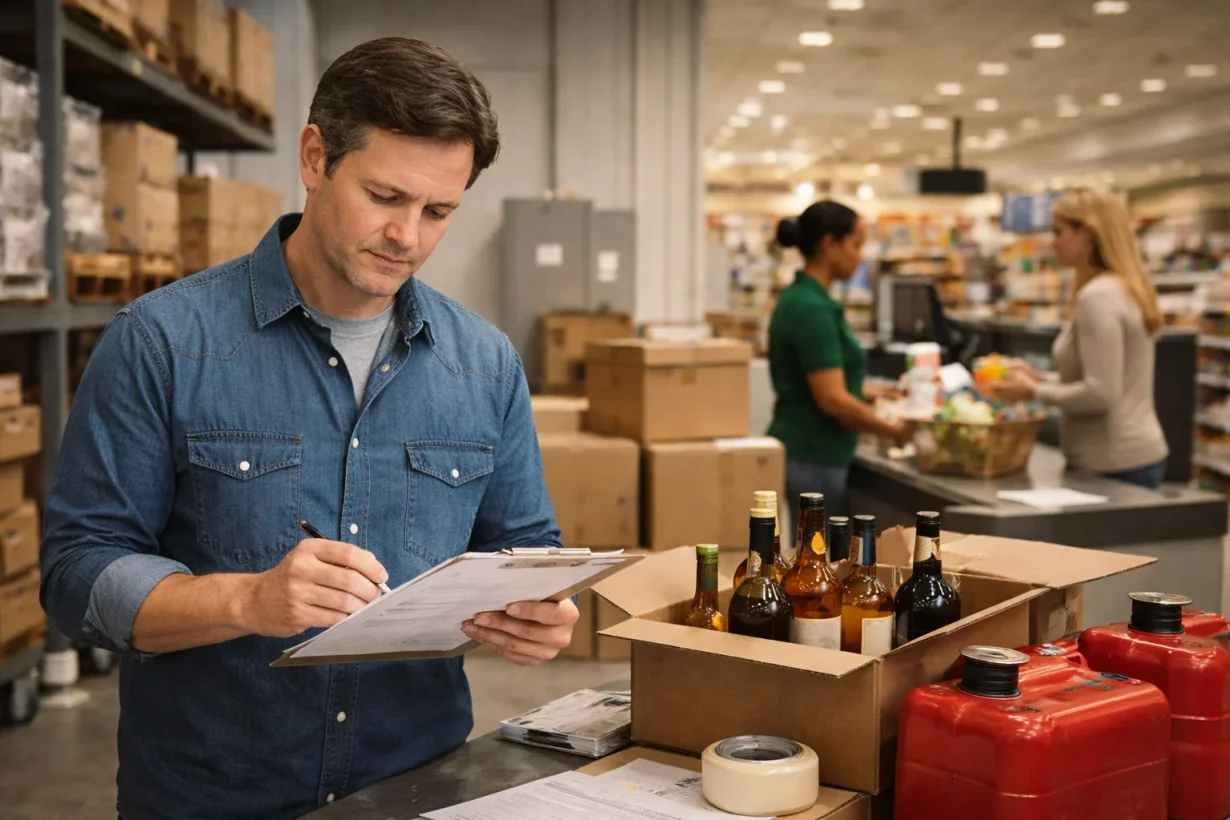
Common examples include tobacco, alcohol, gasoline, airline tickets, and luxury goods such as yachts or designer watches.
Rather than being added at checkout, excise taxes are usually baked into the retail price. This means manufacturers or importers pay the tax upfront, but the cost is passed down the supply chain, ultimately landing on the consumer in the form of a higher sticker price.
Targeted Goods and Industries
Federal and state governments strategically apply excise taxes to sectors that meet one or more of the following criteria:
- High-consumption: Goods like gasoline are consumed by millions daily.
- High-risk: Tobacco and alcohol carry public health risks.
- High-luxury: Private planes, yachts, or fine jewelry represent excess, making them easier targets for additional revenue.
“If you’ve ever wondered why a bottle of wine or a pack of cigarettes costs so much, you’re looking at the quiet power of excise tax.”
These taxes are effective not only in generating revenue but also in shaping consumer behavior and funding specific policy objectives.
Purpose Behind Excise Taxation
While raising funds is a key motive, excise taxes serve broader behavioral and corrective functions, such as:
- Discouraging consumption through higher pricing (e.g., tobacco or sugary beverages)
- Funding targeted programs, such as highway maintenance funded by fuel taxes
- Correcting negative externalities, such as carbon emissions or healthcare costs from smoking
This dual role positions excise tax as both a fiscal tool and a social policy instrument, especially when aiming to reduce harmful consumption patterns or promote responsible use.
What is a Sales Tax, and When Do You Encounter It?
In contrast to the specific nature of excise tax, sales tax is a broad-based tax levied on a wide variety of goods and services at the time of purchase.
It’s a tax most consumers are familiar with, clearly marked on your receipt when you buy anything from a smartphone to a sofa.
Sales tax is collected directly from you, the consumer, by the retailer, who then sends that money to the appropriate tax authority.
Visibility at Point of Sale
In the United States, sales tax rates and rules vary widely based on jurisdiction. Retailers are obligated to:
- Determine the correct tax rate depending on your state, county, or city
- Collect it transparently at checkout
- Remit it on schedule to the appropriate state and/or local tax agencies
This process ensures clarity and compliance but can create a patchwork of rates across different regions.
Broad-Based Application Across Goods
Sales tax applies to most tangible retail purchases, including:
- Clothing
- Electronics
- Furniture
- Certain services (depending on state law)
Some states also apply sales tax to digital goods and subscription services.
However, exemptions are often granted for essentials like:
- Unprepared groceries
- Prescription medications
- Rent and utilities
“You might not notice excise tax, but with sales tax, it’s front and centre every time you pay at the register.”
This transparency makes sales tax easier for consumers to track, but also easier to notice.
How Do Excise and Sales Taxes Differ in Their Scope?

The scope of application is one of the most defining differences between excise and sales taxes. It determines what goods or services each tax applies to and how frequently you’re likely to encounter them.
Excise Tax Scope
Excise taxes are narrowly applied to specific goods, often those with public health, regulatory, or environmental concerns.
These products are typically:
- Alcohol
- Tobacco
- Gasoline
- Firearms
- Airline travel
- Cannabis (in states where it’s legal)
These items are either considered harmful to individuals or the environment, luxurious, or heavily regulated due to their broader societal impact.
Sales Tax Scope
Sales tax, on the other hand, is far more general and affects a much larger range of purchases, including:
- General merchandise
- Household items
- Electronics
- Many services (e.g., car repairs, landscaping, IT support)
Some categories like groceries, medical supplies, or educational materials, may be exempt in certain states, but in general, sales tax touches everyday consumer spending.
How Are These Taxes Calculated: Fixed Amount or Percentage?
While both taxes ultimately affect what you pay, they are calculated in very different ways, and this impacts how predictable or variable the tax burden is.
| Tax Type | Calculation Method | Visibility to Consumer |
| Excise Tax | Per-unit (e.g., 18.3¢ per gallon) or ad valorem (e.g., 10% of value) | Hidden within product’s price |
| Sales Tax | Percentage of total purchase price (e.g., 6%) | Itemized and shown at checkout |
Excise Tax Calculation:
- Specific excise taxes are based on physical quantity (e.g., $1.01 per pack of cigarettes).
- Ad valorem excise taxes are based on value, usually imposed as a percentage of the item’s price (e.g., 10% on luxury goods).
Sales Tax Calculation:
Sales tax is always calculated as a percentage of the sale price and added at the time of purchase, making it easy for consumers to identify the exact amount paid.
This key difference influences how products are priced, how taxes are collected, and how they affect consumer behavior and spending decisions.
Who Actually Pays Excise Tax vs. Sales Tax?
The taxpayer can look different on paper than in reality, especially when comparing excise tax and sales tax. While responsibility may fall on businesses legally, the cost often ends up with the consumer.
Excise taxes are paid by manufacturers, importers, or producers, but the cost is built into the product price. Because it’s embedded, you rarely see it separately, even though you’re still paying it.
Sales tax, by contrast, is charged directly to you at checkout. The seller collects it and passes it on to the tax authority, and it’s clearly itemised on your receipt.
| Example | Base Price | Tax Type | Tax Paid | What You See |
| Gasoline | $3.00 | Excise tax | $0.18 (federal) | Included in price |
| Backpack | $50.00 | Sales tax | $3.00 (6%) | Added at checkout |
One tax is hidden in the price, the other is transparent, but in both cases, the consumer ultimately pays.
How Visible Are These Taxes to You as a Consumer?
Excise taxes are often referred to as “hidden taxes” for a reason; they’re embedded directly in the price of goods. When you buy a pack of cigarettes or fill your gas tank, the tax has already been applied before you see the price tag.
Most consumers won’t realize how much of what they paid was tax unless they go out of their way to research it.
Sales taxes, however, are much more transparent. You see them as a separate line item on your receipt at the point of purchase.
This makes it easier to understand how much you’re being taxed and allows for greater consumer awareness of government taxation policies.
| Visibility Factor | Excise Tax | Sales Tax |
| Line item on receipt | Usually not shown | Clearly itemized |
| Consumer awareness | Low | High |
| Influences price tags | Yes (built into total price) | No (added after subtotal) |
So, while sales tax is immediately noticeable, excise tax can go unnoticed unless you’re specifically looking for it.
Why Are Excise Taxes Used to Influence Behaviour?

Governments don’t just use excise taxes to fund programs; they also use them as tools to steer public behavior.
Because these taxes are applied to goods associated with health risks or societal costs, the goal is often to reduce consumption or compensate for negative impacts.
Common targets for behavior-influencing excise taxes include:
- Tobacco: Linked to cancer, addiction, and high public health costs
- Alcohol: Associated with DUI incidents and liver disease
- Sugary beverages: Contributing to obesity and diabetes
- Fuel: A major source of carbon emissions and pollution
“Excise tax isn’t just about dollars-it’s about deterrence.”
By making these products more expensive, governments aim to:
- Discourage unhealthy or risky behavior
- Offset the long-term societal costs (e.g., hospital visits, road damage)
- Fund programs like health education or infrastructure maintenance
This approach is commonly known as Pigouvian taxation, a fiscal method to correct behaviors that create negative externalities, such as pollution or disease.
How Do These Taxes Impact Business Owners and Retailers?
For business owners, both excise and sales taxes bring unique operational and compliance challenges.
While they both affect pricing and revenue strategies, their impact varies based on the nature of the business and the types of goods or services sold.
Excise Tax: Industry-Specific and Heavily Regulated
Excise taxes primarily target businesses in specific sectors such as fuel, alcohol, and tobacco. If you operate in one of these industries, you’re not just responsible for selling a product, you’re also acting as a tax collector on behalf of federal or state authorities.
You’ll need to:
- Factor excise tax costs into retail pricing
- Navigate product-specific regulations
- Submit specialized filings and forms on a scheduled basis
These businesses often face stricter oversight and more complex reporting requirements, and errors in filing or delayed payments can result in substantial penalties or audits.
Sales Tax: A Broad-Based Obligation for Most Retailers
Whether you’re a small online seller or a national chain, if you sell taxable goods or services, sales tax compliance is non-negotiable.
The process generally involves:
- Registering for a sales tax permit in each jurisdiction where you have nexus
- Calculating the correct tax rate based on location and product type
- Collecting sales tax at the point of sale
- Remitting collected taxes on time to state or local agencies
- Maintaining detailed records for auditing and reporting purposes
“Understanding these taxes isn’t optional, it’s compliance. Miss a filing deadline or miscalculate, and the IRS won’t just send a reminder.”
For many small and medium-sized businesses, especially those selling across state lines, managing this can be administratively overwhelming. That’s why many turn to automated tax platforms or professional accountants to stay compliant and avoid financial penalties.
What Role Do Federal and State Governments Play in Each Tax?
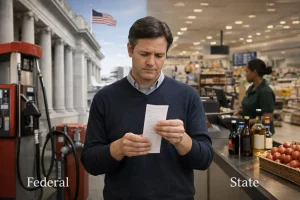
Federal and state governments play very different roles when it comes to excise and sales taxes, which can make the system feel complex at first glance. The key distinction lies in who imposes the tax and how widely it is applied.
Excise taxes often involve shared responsibility across government levels. The federal government applies excise taxes to nationally distributed goods, while states may add their own versions on specific products.
These taxes are commonly used to regulate consumption as well as raise revenue.
- Federal excise taxes apply to items such as fuel, tobacco, and airline tickets
- State and local excise taxes may cover alcohol, cannabis, soda, and similar goods
Sales taxes, on the other hand, are almost entirely managed at the state level.
- No general federal sales tax exists
- States set rates and rules, with local authorities often adding additional charges
Understanding this split is important for consumers, businesses, and policymakers navigating tax obligations and compliance
How Can You Visually Compare Excise and Sales Taxes?
If you’ve ever wondered why some taxes are hidden in prices while others appear at checkout, a visual comparison helps explain the difference.
Key Differences at a Glance:
| Feature | Excise Tax | Sales Tax |
| Applied To | Specific goods/services | Broad range of goods/services |
| Calculation Method | Fixed per unit or % of price (ad valorem) | % of total purchase |
| Visibility | Included in price | Added at checkout |
| Payer | Manufacturer (cost passed to consumer) | Consumer directly |
| Government Role | Federal + State | Primarily State + Local |
| Primary Purpose | Behavior modification + targeted funding | General government revenue |
| Example | $0.184 per gallon gasoline tax | 6% added to retail purchase |
This comparison helps make clear what you’re actually paying and why. It also shows how these taxes affect your choices, costs, and public policy outcomes.
Conclusion
Understanding the difference between excise and sales taxes is more than just financial trivia, it’s a key part of informed spending, business compliance, and public policy awareness.
While sales tax is broad, visible, and applies to everyday purchases, excise tax is narrowly targeted, often hidden, and designed to shape behavior or fund specific initiatives.
Whether you’re a consumer trying to read your receipt or a business owner navigating compliance rules, mastering these tax types gives you an edge financially and strategically.
Frequently Asked Questions (FAQs)
Are there any goods that are subject to both excise and sales tax?
Yes. Goods like tobacco and alcohol are often hit with both. You pay the excise tax built into the price and the sales tax at the register.
Do excise taxes vary by state like sales taxes do?
Absolutely. Each state sets its own excise tax rates. For example, New York charges over $4 per pack of cigarettes, while Virginia charges just $0.60.
How do excise taxes impact low-income consumers?
Excise taxes are regressive, meaning they take a larger percentage of income from lower earners, particularly for necessities like fuel or products with high usage in low-income communities.
Can you deduct excise or sales taxes on your federal tax return?
You can choose between deducting state income tax or state sales tax if you itemize. However, federal excise taxes generally aren’t deductible.
What’s the difference between specific and ad valorem excise taxes?
Specific excise taxes are per unit (e.g., 18.3¢ per gallon of gas), while ad valorem taxes are based on a percentage of the item’s value (e.g., 10% on a yacht).
How is the use tax different from sales and excise taxes?
Use tax applies to goods purchased out of state and brought into your home state. It ensures people don’t avoid sales tax by shopping elsewhere.
What industries are most affected by excise taxation?
Industries dealing in alcohol, tobacco, fuel, air travel, and firearms are heavily regulated and affected by excise tax compliance, pricing, and reporting.