



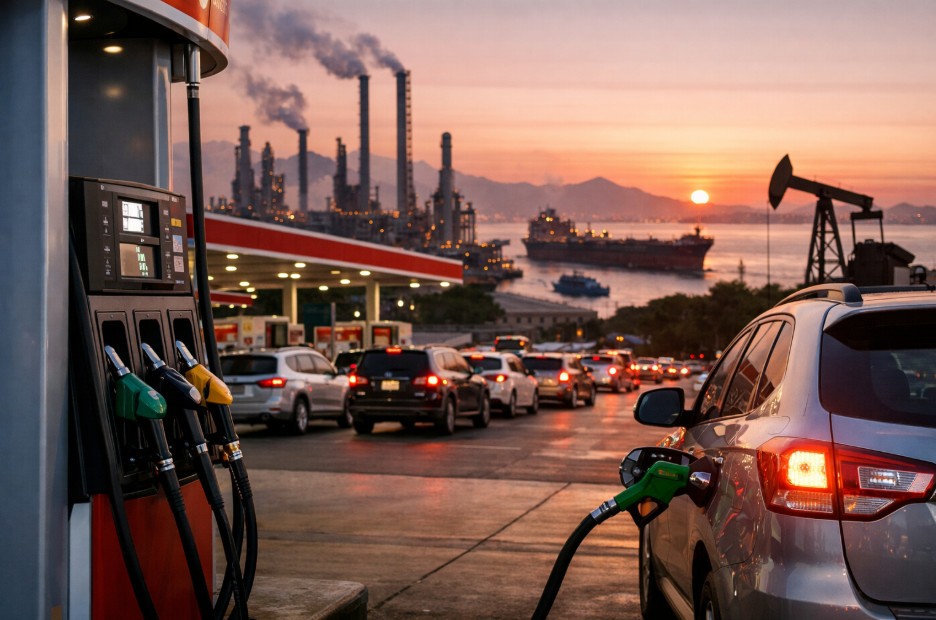

Gas prices in the United States recently surged after geopolitical tensions in the Middle East disrupted global oil markets.
The national average jumped by about 56 cents per gallon, leaving many Americans wondering when relief at the pump will arrive.
While experts say prices could eventually decline, the timeline depends on several economic and global factors.
In short, gas prices will likely go back down only if oil supply stabilizes, geopolitical tensions ease, and seasonal demand declines.
Key points affecting the outlook include:
- Recent oil market volatility due to conflict in the Middle East
- Oil supply disruptions linked to the Strait of Hormuz
- Seasonal demand shifts in the US fuel market
- Energy forecasts suggesting lower average gasoline prices later in 2026
Understanding these drivers helps explain why gas prices fluctuate, and when they may finally drop again.
Will Gas Prices in the US Go Back Down Soon?
Gas prices may eventually decline, but experts warn that short-term volatility could continue for some time.
The recent spike in fuel costs was largely triggered by disruptions in global oil supply caused by geopolitical tensions in the Middle East.
In early March 2026, the national average price of gasoline climbed to around $3.54 per gallon, up significantly from roughly $2.98 just weeks earlier.
Because crude oil prices are the largest component of gasoline costs, any disruption in global supply can push prices higher almost immediately.
Government officials have expressed optimism that the surge may be temporary. White House Press Secretary Karoline Leavitt stated during a briefing:
“The current increase in fuel prices is temporary, and Americans will see oil and gas prices drop rapidly, potentially even lower than they were before.”
However, market analysts caution that the situation depends heavily on geopolitical stability. If tensions persist or supply routes remain disrupted, gas prices may remain elevated for longer than expected.
Why Did Gas Prices Suddenly Rise Again in 2026?
The latest spike in US gas prices was primarily driven by international conflict and supply disruptions. Oil markets react quickly to global instability because crude oil is traded internationally and is sensitive to supply risks.
Several developments contributed to the sudden rise:
- Conflict in the Middle East raised concerns about oil production and transportation.
- Some oil facilities in major producing countries paused operations temporarily.
- Shipping routes became riskier due to military tensions and insurance restrictions.
- Oil prices surged above $100 per barrel before later falling slightly.
These disruptions caused oil traders to anticipate reduced supply, pushing prices upward almost immediately. Because gasoline is refined from crude oil, pump prices followed the upward trend.
Energy analyst Patrick De Haan of GasBuddy explained the impact clearly:
“Gas stations are seeing their costs go up in real time as oil markets jump, which means consumers will likely see another round of price increases at the pump.”
Even a short-term supply disruption can cause noticeable changes in fuel prices, which is why global events often affect local gas stations so quickly.
How Do Crude Oil Prices Influence Gasoline Prices in the US?
Crude oil prices are the single largest factor affecting gasoline prices. According to the US Energy Information Administration (EIA), the cost of crude oil historically accounts for more than half of the retail price of gasoline.
When crude oil becomes more expensive, refiners pay more to produce gasoline. Those higher costs are eventually passed along to consumers at the pump.
Major Components of Gasoline Prices
| Component | Approximate Impact on Gas Price |
| Crude oil cost | Around 50% or more |
| Refining costs | 15–25% |
| Distribution and marketing | 10–15% |
| Federal and state taxes | 10–20% |
When global oil prices increase rapidly, as seen during geopolitical crises, gasoline prices typically follow within days or weeks.
However, if oil prices decline, it may take slightly longer for consumers to see the benefits at the pump because existing inventories must first be sold.
What Role Does Global Conflict Play in Rising Fuel Prices?
Global conflict often causes fuel prices to rise because energy markets rely heavily on stable supply chains. When conflict threatens oil production or transportation routes, traders respond by bidding up oil prices to reflect the risk.
Geopolitical Disruptions in Major Oil-producing Regions
The Middle East remains one of the most important oil-producing regions in the world. When tensions escalate in this region, markets often anticipate supply disruptions.
In 2026, conflicts affected operations in several oil-producing areas and raised concerns about potential interruptions in crude oil production. Even temporary shutdowns can tighten global supply and cause oil prices to spike.
Impact of Shipping Routes and the Strait of Hormuz
One of the most critical chokepoints in global energy trade is the Strait of Hormuz.
This narrow passage connects the Persian Gulf to the open ocean and handles more than 20% of the world’s daily oil supply.
When tensions rise near this route, shipping companies may delay or reroute tankers due to safety concerns. Reduced tanker traffic means less oil reaching global markets, which drives prices higher.
How Much Do Refining Costs Affect Gas Prices at the Pump?
Refining costs play a significant role in determining gasoline prices after crude oil is extracted. Refineries convert crude oil into usable products such as gasoline, diesel, and jet fuel.
The difference between the cost of crude oil and the wholesale price of gasoline is known as the “crack spread.” This margin reflects refining profitability and market conditions.
If refineries experience maintenance shutdowns, equipment issues, or capacity reductions, the supply of gasoline may decline even if crude oil remains plentiful. This can push prices higher at the pump.
In recent forecasts, the EIA noted that declining refinery capacity in some regions could limit how much gasoline prices fall, even if crude oil becomes cheaper.
This is particularly important in states with fewer refineries or stricter environmental regulations.
Why Do Gas Prices Vary So Much Between Different US States?
Gas prices often differ dramatically from one state to another due to regional supply chains, regulations, and taxes.
Regional Supply Chains and Transportation Costs
Some states rely on nearby refineries for fuel production, while others must transport gasoline over long distances via pipelines or ships.
Transportation costs can increase fuel prices in certain regions.
For example, the West Coast typically has the highest gas prices in the country because it has fewer pipeline connections to other fuel markets and relies heavily on local refineries.
Local Regulations and State Fuel Taxes
State fuel taxes also contribute to price differences. Some states impose higher environmental or transportation taxes, which directly increase the price drivers pay at the pump.
Example Gas Price Differences by Region:
| Region | Typical Price Trend |
| West Coast | Highest prices due to regulations and refinery limits |
| Northeast | Higher prices due to transportation costs |
| Midwest | Moderate prices due to strong refining presence |
| Gulf Coast | Usually lowest prices due to proximity to refineries |
These regional factors explain why some states see fuel prices rise or fall faster than others.
What Does the US Energy Information Administration Forecast for Gas Prices?
According to the EIA’s Short-Term Energy Outlook, gasoline prices were expected to decline slightly in 2026 before the recent geopolitical disruptions.
The agency predicted that average retail gasoline prices could fall about 6% in 2026, primarily due to lower crude oil prices and growing global supply.
However, forecasts are based on long-term trends and do not always account for sudden geopolitical events. The recent spike in oil prices illustrates how quickly energy markets can change.
Despite the volatility, analysts still believe that annual average gasoline prices could remain lower than the highs seen in recent years, especially if oil production continues to expand globally.
How Do Seasonal Demand Patterns Influence Gas Prices?

Seasonal demand plays a major role in gas price fluctuations. In the United States, fuel demand typically rises during the spring and summer driving seasons when travel increases.
Gasoline prices often increase in spring because refineries switch to a more expensive summer fuel blend designed to reduce air pollution. This transition can temporarily limit supply and raise prices.
During winter months, demand drops and refineries produce a cheaper fuel blend. As a result, gasoline prices often decline toward the end of the year.
These predictable seasonal patterns explain why gas prices tend to rise in spring and early summer before gradually easing later in the year.
Could Government Actions Lower Gas Prices Faster?
Government policies can sometimes influence gas prices, though their impact is often limited compared to global market forces.
One possible intervention is releasing oil from the Strategic Petroleum Reserve (SPR), which is the United States’ emergency stockpile of crude oil.
Some policymakers have suggested using the SPR to help stabilize prices during supply disruptions. However, energy experts warn that this measure typically provides only temporary relief.
Senate Minority Leader Chuck Schumer commented on the issue:
“American families are suffering from higher prices at the pump, and the government has tools available to provide some relief.”
Still, analysts note that even large reserve releases may not fully offset global supply disruptions if major shipping routes or production facilities remain affected.
What Economic Factors Determine Whether Gas Prices Fall or Rise?
Several economic forces influence whether gas prices increase or decrease. Along with geopolitical events, factors such as global demand, inflation, and oil production levels play an important role.
When the global economy grows quickly, industries and transportation require more fuel, which increases oil demand and can push prices higher.
In contrast, if economic growth slows or oil production expands significantly, supply may exceed demand and prices could fall.
Key economic influences include:
- Global fuel demand from industries and transport
- Oil production levels from major energy producers
- Inflation and broader economic conditions
Public reaction also matters. Rising fuel costs often lead to frustration among drivers, which can increase pressure on policymakers to consider actions that help stabilise fuel prices.
What Signs Indicate That Gas Prices May Start Falling Again?
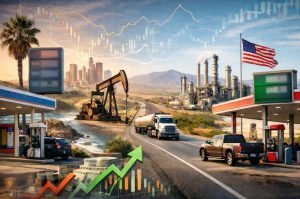
Drivers hoping for relief at the pump can watch several indicators that often signal falling fuel prices.
Important signs include:
- Falling crude oil prices in global markets
- Increased oil production from major exporting countries
- Stabilization of shipping routes like the Strait of Hormuz
- Reduced geopolitical tensions in oil-producing regions
- Declining seasonal demand after the summer driving season
When several of these factors occur simultaneously, gasoline prices typically begin to move downward within a few weeks.
Energy analysts also monitor refinery output and inventory levels, as rising gasoline stockpiles can signal that prices may soon decrease.
What Should Drivers Expect for Gas Prices Through the Rest of 2026?
Looking ahead, the outlook for gas prices in 2026 remains uncertain.
While some long-term forecasts suggest prices may gradually ease, short-term fluctuations are still possible due to ongoing global market pressures.
Public sentiment also highlights growing frustration. Many Americans have voiced concerns in surveys and online discussions about rising fuel costs and their impact on household budgets.
Drivers often describe experiencing “sticker shock” at the pump after sudden price increases.
During a media interview, President Donald Trump commented on the situation, stating:
“Short-term oil prices will drop rapidly once the situation stabilizes. This is a temporary disruption.”
If geopolitical tensions ease and supply improves, fuel prices could decline later in the year as energy markets stabilise.
Conclusion
Gas prices in the United States are influenced by a complex mix of global events, economic conditions, and seasonal demand.
While many drivers are asking when will gas prices go back down, the answer largely depends on how quickly oil markets stabilize and geopolitical tensions ease.
Forecasts from energy experts suggest that prices could gradually decline if supply improves and demand balances out. Until then, fluctuations are likely to continue.
By understanding the factors behind fuel prices, consumers can better anticipate changes and prepare for future shifts at the pump
Frequently Asked Questions
What is the average gas price in the United States right now?
Gas prices change frequently, but recent national averages have been around the mid-$3 per gallon range after recent market fluctuations.
Why do diesel prices often rise faster than gasoline prices?
Diesel is widely used for trucks, shipping, and industrial transport, so demand increases quickly when trade or logistics activity rises.
How long does it take for oil price changes to affect gas prices?
Gasoline prices usually respond to crude oil price changes within a few days to a few weeks, depending on supply and refining conditions.
Why are gas prices higher on the West Coast?
Stricter environmental regulations and limited pipeline connections often make fuel production and transportation more expensive in this region.
Do oil companies control gasoline prices directly?
No. Gas prices are mainly influenced by global oil markets, refining costs, distribution, and taxes.
Can improving fuel efficiency help drivers reduce fuel costs?
Yes. Simple actions like maintaining tire pressure and driving efficiently can help reduce fuel consumption.
Will electric vehicles reduce gasoline demand in the future?
Yes. As electric vehicle adoption increases, long-term gasoline demand may gradually decline.