


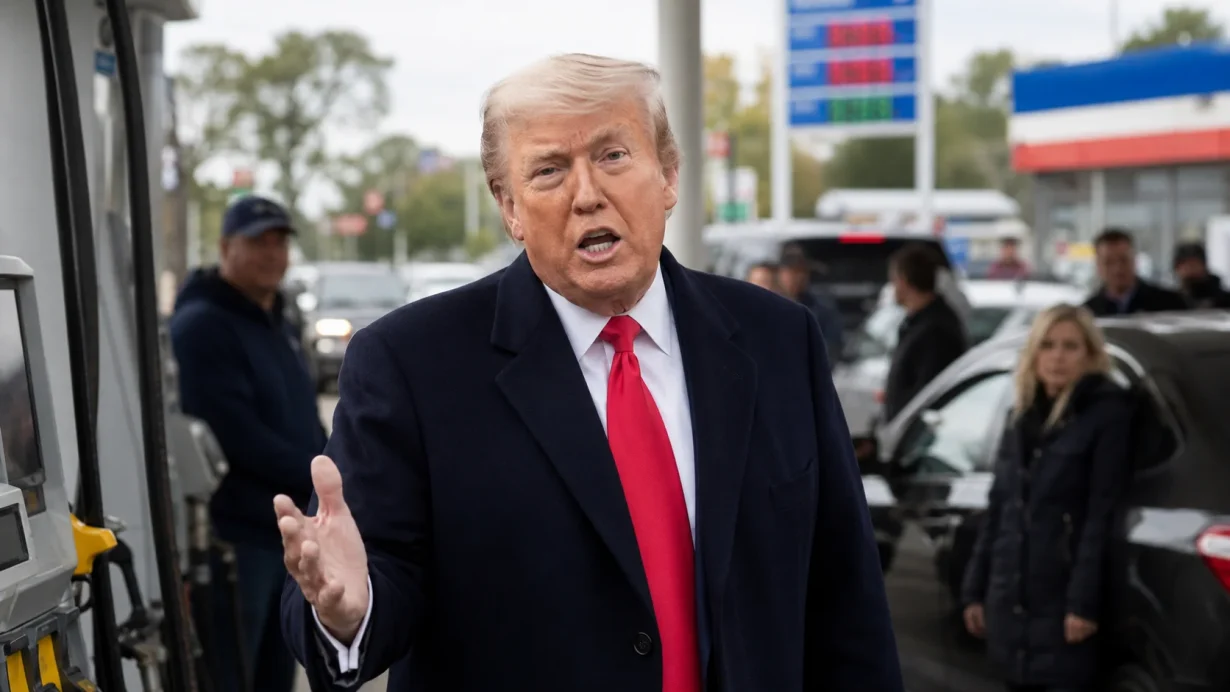

Gas prices in the United States have surged sharply following disruptions linked to the Iran war and instability around the Strait of Hormuz.
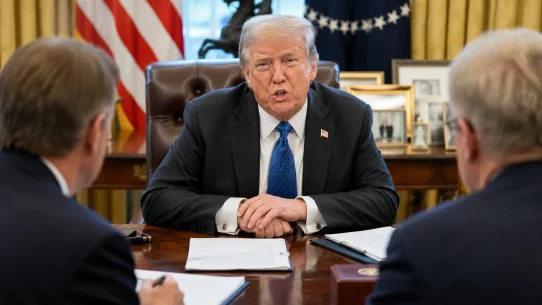
In response, President Donald Trump proposed suspending the federal gas tax “for a period of time” to provide relief to American drivers.
While the idea sounds appealing, many economists and transportation experts believe the impact on fuel prices could be smaller than expected.
Key takeaways:
- Trump wants to temporarily suspend the federal gas tax
- The federal gasoline tax is currently 18.4 cents per gallon
- Congress must approve any gas tax suspension
- Experts say consumers may not receive the full savings
- Highway and infrastructure funding could face major setbacks
The proposal could slightly reduce prices at the pump, but it is unlikely to solve the larger fuel supply and oil pricing issues driving today’s high gasoline costs.
What Is Trump’s Proposed Gas Tax Suspension and Why Is It Making Headlines?

Trump’s proposed gas tax suspension would temporarily remove the federal gas tax until fuel prices stabilise.
The idea gained attention after US gasoline prices rose above $4.52 per gallon amid geopolitical tensions and supply concerns linked to the Iran conflict.
The federal gas tax currently adds 18.4 cents per gallon to gasoline and 24.4 cents to diesel. Trump says suspending it could help families, commuters, truckers and businesses facing higher transport costs.
The proposal is making headlines because fuel prices affect household budgets, delivery costs, inflation and public opinion. Some Republican lawmakers have also signalled support for legislation backing the suspension
“Americans are feeling pressure at the pump every single day, and policymakers are looking for fast solutions that can ease consumer frustration,” said an energy market analyst quoted in transportation policy discussions.
Although the proposal appears straightforward, the economic effects are far more complicated than simply removing a tax.
Why Have Gas Prices Increased So Sharply in the United States?
The recent rise in fuel prices is connected to global oil supply disruptions rather than taxation alone. Energy markets reacted strongly after conflict in the Middle East disrupted shipping routes and increased uncertainty around oil transportation.
Impact of the Iran War on Global Oil Supply
The Iran conflict created concerns about reduced oil exports and interruptions in international shipping. Since oil prices operate within a global market, even regional instability can quickly increase fuel costs worldwide.
When oil traders anticipate shortages, crude oil prices rise almost immediately. Those increases eventually reach consumers through higher gasoline and diesel prices.
Strait of Hormuz Disruptions and Fuel Markets
The Strait of Hormuz is one of the world’s most important oil shipping routes. A significant percentage of global crude oil passes through this narrow waterway.
Disruptions in the region created fears of reduced supply availability, which contributed heavily to rising fuel costs in the United States. Even if actual shortages remain limited, market uncertainty alone can increase prices.
Rising Crude Oil and Refining Costs
Gasoline prices are influenced by several major components beyond taxes.
Fuel Pricing Components:
| Cost Factor | Influence on Gas Prices |
| Crude oil prices | Largest pricing factor |
| Refining costs | Converts crude into gasoline |
| Distribution and transportation | Delivery expenses |
| Retail station margins | Local station profits |
| Federal and state taxes | Government fuel taxes |
This means removing the federal gas tax alone addresses only one portion of the total fuel price equation. As long as oil prices remain elevated, overall gas prices may stay high.
The current situation highlights how global events often impact domestic fuel costs more than tax policy changes alone.
How Does the Federal Gas Tax Work in America?

The federal gas tax was introduced to help fund transportation infrastructure projects across the country.
Revenue generated from fuel taxes primarily supports the Highway Trust Fund, which finances roads, bridges, highways, and public transit systems.
Drivers pay the tax indirectly whenever they purchase gasoline or diesel fuel. Although many consumers focus on pump prices, the tax plays a major role in maintaining transportation infrastructure used daily by millions of Americans.
Current Federal Fuel Tax Rates:
| Fuel Type | Federal Tax Rate |
| Gasoline | 18.4 cents per gallon |
| Diesel | 24.4 cents per gallon |
The tax has remained unchanged since 1993. Because it is not adjusted for inflation, transportation experts argue that its real value has declined significantly over time.
Some policy analysts estimate that if indexed to inflation, the federal gasoline tax would now exceed 40 cents per gallon.
As infrastructure costs continue rising, the Highway Trust Fund has increasingly relied on supplemental government funding to avoid deficits.
Understanding how the tax functions is important because suspending it may provide temporary consumer relief while also creating funding gaps for future infrastructure projects.
Can Trump Suspend the Federal Gas Tax Without Congressional Approval?
No. The president cannot suspend the federal gas tax independently through executive authority. Congress must pass legislation approving any temporary tax holiday.
This legal and political hurdle is one of the biggest challenges facing Trump’s proposal. Even though lawmakers from both parties have expressed support for fuel relief, Congress has historically been cautious about suspending the gas tax because of its impact on infrastructure funding.
Supporters argue that Americans need immediate relief during periods of exceptionally high fuel prices. Critics counter that temporary savings may not justify the long-term consequences for transportation programs.
Political Support and Opposition:
| Supporters | Concerns Raised |
| Josh Hawley | Highway Trust Fund losses |
| Anna Paulina Luna | Limited consumer savings |
| Jeff Van Drew | Increased federal deficits |
| Mark Kelly | Infrastructure funding risks |
| Richard Blumenthal | Supply issues remain unresolved |
Even Senate leaders have signaled hesitation. Some lawmakers believe reopening oil supply routes and stabilizing crude markets would have a larger impact on prices than suspending fuel taxes.
“Tax relief may sound attractive politically, but lawmakers also have to consider how roads, bridges, and transit systems will be funded,” noted a transportation infrastructure expert during congressional discussions.
As a result, the proposal could face significant debate before any legislation reaches approval.
Would a Federal Gas Tax Holiday Actually Reduce Gas Prices for Drivers?
Yes, but probably not as much as many consumers expect.
Most economists agree that suspending the federal gas tax could lower prices modestly. However, the full 18.4-cent savings may never fully reach drivers.
Research from the Penn Wharton Budget Model estimated that gasoline prices could decline by roughly 13.2 cents per gallon instead of the full tax amount.
Why Retailers May Not Pass Full Savings to Consumers?
Fuel pricing involves multiple businesses across the supply chain, including refiners, distributors, wholesalers, and retailers.
During periods of high demand or limited supply, some of the savings may be absorbed before reaching consumers.
This process is known as “partial pass-through.” Instead of drivers receiving the full tax reduction, only part of the savings appears at gas stations.
Supply and Demand Pressures in Fuel Pricing
Another concern is that lower prices could encourage more driving during an already strained supply environment. Increased demand may place upward pressure on prices again.
Economists argue that gas tax holidays do not directly solve the underlying supply shortage caused by global oil disruptions.
Potential Consumer Savings:
- A 15-gallon fill-up could save roughly $2 to $3
- Weekly commuters may save around $35 over several months
- Trucking companies could see slightly larger diesel savings
- Businesses relying on transportation may experience modest relief
While these savings are helpful, they may feel relatively small compared to the broader increase in fuel costs experienced since the conflict began.
The proposal may therefore provide psychological and political relief more than dramatic financial savings.
How Much Could American Drivers Really Save at the Pump?
For everyday drivers, savings from a gas tax suspension would likely depend on driving habits, vehicle type and how often they refuel.
A single-car household may save only a few dollars per tank, while families with multiple vehicles or long commutes could see slightly larger weekly savings.
Estimated Savings Examples:
| Driver Type | Estimated Savings |
| Weekly commuter | $2–$3 per fill-up |
| Two-car household | $6–$10 weekly |
| Small delivery business | Moderate monthly savings |
| Long-haul trucking | Higher diesel-related savings |
However, experts caution that these estimates depend heavily on whether fuel retailers pass savings directly to consumers.
For many Americans, the proposal may offer temporary financial breathing room, but it is unlikely to return fuel prices to pre-conflict levels.
What Are the Biggest Advantages and Disadvantages of Suspending the Gas Tax?
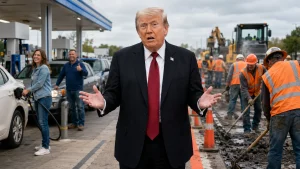
Trump’s proposed gas tax suspension has sparked debate among economists, lawmakers and consumers.
Supporters say it could quickly ease pressure on drivers, while critics warn it may create long-term problems for infrastructure funding and the wider economy.
Although a temporary gas tax holiday may offer short-term savings at the pump, its overall impact is more complex.
The proposal brings both consumer benefits and concerns around transport funding, market behaviour and fiscal sustainability
Short-Term Relief for Consumers
Supporters believe a suspension could help offset rising living costs during a difficult economic period. Consumers dealing with inflation may welcome any reduction in transportation expenses.
Possible advantages include:
- Lower gasoline and diesel prices
- Reduced transportation costs for businesses
- Temporary inflation relief
- Increased consumer confidence
Risks to Highway and Infrastructure Funding
Opponents warn that the Highway Trust Fund already faces financial strain. Suspending the gas tax could reduce billions in transportation revenue.
Potential disadvantages include:
- Reduced infrastructure funding
- Larger federal budget deficits
- Delayed highway repairs
- Increased long-term transportation costs
Pros and Cons Comparison:
| Pros | Cons |
| Temporary fuel savings | Less infrastructure funding |
| Consumer relief | Possible deficit increases |
| Political popularity | Limited long-term impact |
| Reduced business costs | Supply issues remain unresolved |
The debate ultimately centers on whether short-term consumer relief outweighs long-term infrastructure challenges.
“A gas tax holiday may provide temporary relief, but it does not address the core issue of constrained energy supply,” explained an economist specializing in fuel markets.
This balance between immediate savings and future costs remains central to the national discussion.
How Would a Gas Tax Suspension Affect the Highway Trust Fund?
The Highway Trust Fund relies heavily on federal fuel tax revenue to support road construction, bridge repairs, transit systems and transport safety projects.
A several-month gas tax suspension could remove billions of dollars from the fund, adding pressure to a system that has already faced deficits for years.
Some lawmakers support replacing lost revenue with general government funds, but critics warn this could increase borrowing or divert money from other priorities.
Poor infrastructure maintenance can also raise costs for drivers through vehicle wear, tire damage and repairs.
This makes infrastructure funding one of the strongest arguments against suspending the federal gas tax.
Which Politicians and States Support Gas Tax Relief Measures?

The idea of suspending fuel taxes has received bipartisan attention at both federal and state levels.
Several Republican lawmakers strongly support Trump’s proposal, while some Democratic lawmakers have introduced separate gas tax holiday legislation tied to inflation and fuel affordability concerns.
Meanwhile, several states have already taken temporary action on state fuel taxes.
States Taking Fuel Tax Action:
- Georgia temporarily suspended state fuel taxes
- Indiana paused fuel-related taxes for limited periods
- Kentucky reduced state fuel taxes
- Utah introduced temporary fuel tax relief measures
These state-level actions provide useful case studies for evaluating how tax holidays affect fuel pricing and consumer savings.
Although results vary, many states discovered that global oil prices still remained the dominant factor influencing pump costs.
The federal government now faces a similar policy debate on a much larger scale.
Could Suspending the Federal Gas Tax Hurt the Economy in the Long Run?
Some economists warn that a prolonged federal gas tax suspension could create unintended economic problems.
Lower fuel prices may increase demand without improving supply, which could push prices higher again during shortages.
There are also concerns about infrastructure funding. If gas tax revenue falls, roads, bridges and public transit projects may face delays or require replacement funding from general federal spending. Critics argue this could increase deficits and shift costs to taxpayers in other ways.
Supporters say temporary relief may be justified during unusual economic pressure. However, the long-term impact would depend on how long the suspension lasts, whether oil supply improves, how Congress replaces lost revenue and how stable global energy markets become
What Should Americans Expect Next from Trump’s Gas Tax Proposal?

The next step will likely involve congressional debate over proposed legislation. Lawmakers from both parties are expected to discuss the potential benefits and drawbacks of a temporary gas tax holiday.
If Congress moves forward, debates will likely focus on:
- Consumer savings estimates
- Highway Trust Fund replacement funding
- Inflation concerns
- Economic and political consequences
Much will also depend on global oil markets. If tensions around the Strait of Hormuz ease and crude oil prices decline naturally, pressure for aggressive fuel tax relief could weaken.
For now, Americans should expect continued discussions rather than immediate implementation.
Conclusion
Trump’s proposed gas tax suspension could offer modest short-term relief for American drivers, but it is unlikely to significantly lower fuel prices by itself.
The tax is only one small part of gasoline pricing, while crude oil costs, refining expenses, supply disruptions and geopolitical tensions have a larger impact. Most drivers may save only a few dollars per tank, and higher demand could reduce the benefit.
The suspension could also create funding problems for roads, bridges and public transit, making it more of a temporary relief measure.
FAQs About Trump Proposed Gas Tax Suspension
What is the current federal gasoline tax rate in the United States?
The federal gasoline tax is currently 18.4 cents per gallon, while diesel fuel is taxed at 24.4 cents per gallon.
Can Trump suspend the federal gas tax without Congress?
No. Congress must approve legislation before the federal gas tax can be suspended.
How much could drivers realistically save during a gas tax holiday?
Most estimates suggest drivers may save around 13 cents per gallon rather than the full 18.4-cent federal tax amount.
Why might gas stations not pass the full savings to consumers?
Refiners, distributors, and retailers may absorb part of the savings due to supply pressures and market demand conditions.
What does the Highway Trust Fund pay for?
The fund supports highways, bridges, road repairs, public transit systems, and transportation infrastructure projects across the country.
Could a gas tax suspension increase fuel demand?
Yes. Lower prices could encourage additional driving, potentially increasing demand during supply shortages.
Have states already tried suspending gas taxes?
Yes. States including Georgia, Indiana, Kentucky, and Utah have introduced temporary fuel tax reductions or suspensions.