





I want to be direct and honest from the start. If you’re asking,
“I committed a hit and run, how long will it take for the police to find me?”,
The short answer is this: it could be as fast as 24 hours, or it could take months.
There is no fixed timeline, and that uncertainty is often the most stressful part. Based on how investigations typically unfold in the United States, everything depends on evidence, witnesses, and how serious the incident was.
To summarize upfront:
- Some cases are solved within hours or days
- Others take weeks or months
- A small percentage remain unresolved for long periods
As one investigator once put it:
“Silence doesn’t mean safety, it usually means we’re still building the case.”
Understanding how these investigations work can help you see what may happen next and why time alone is never a guarantee.
What Does “Hit and Run” Mean Under U.S. Law?
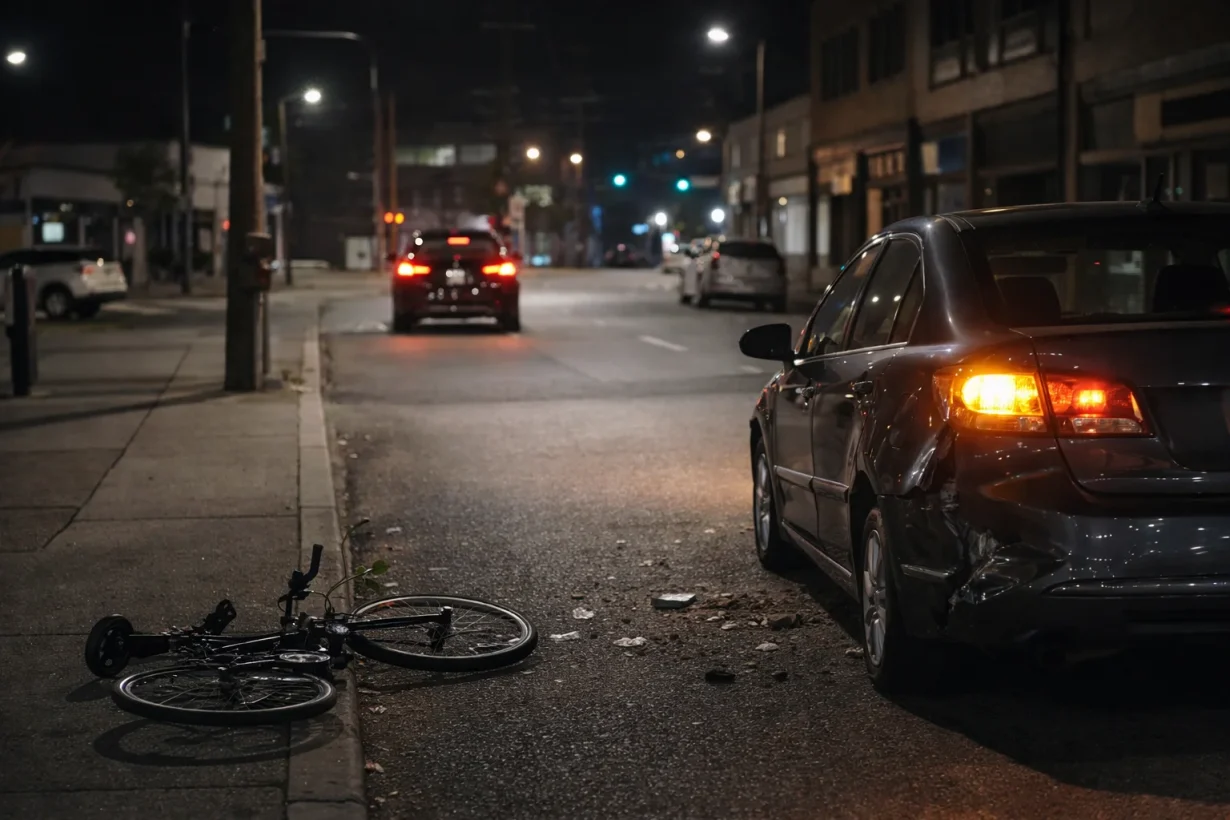
A hit and run occurs when a driver is involved in a collision and leaves the scene without stopping to provide required information or assistance. This applies whether the accident involves another vehicle, a pedestrian, a cyclist, or even unattended property such as a parked car.
Under U.S. law, the obligation to stop exists regardless of fault. Even if you did not cause the accident, leaving the scene can still result in criminal charges.
This is an important distinction that many drivers misunderstand. The crime is not the collision itself; it is the act of leaving.
In most states, hit-and-run offenses fall into two broad categories. Property-damage-only incidents are usually charged as misdemeanors, while accidents involving injuries or fatalities can lead to felony charges.
The classification has a major impact on investigation priority, penalties, and how long authorities will continue searching for the driver.
How Long Does It Usually Take for Police to find a hit-and-run driver?
When people ask how long it takes for police to find someone after a hit and run, they are often hoping for a clear deadline.
Unfortunately, investigations don’t work that way. National data and investigative patterns show a wide range of outcomes.
In general, police identify hit-and-run drivers within the following timeframes:
| Timeframe After Incident | Approximate Percentage of Cases Solved |
| Within 24 hours | 15–20% |
| Within 1 week | About 30% |
| Within 1–4 weeks | Around 25% |
| 1–6+ months or longer | Cases with limited or no evidence |
Cases with strong evidence tend to move quickly, sometimes shockingly so. Cases with minimal evidence may take months or quietly remain open in the background.
How Often Are Hit-and-Run Drivers Found in the U.S.?
Hit and run cases are not as unsolvable as many people assume. Nationwide, investigations involving injuries are solved far more often than those involving only vehicle damage. Roughly 60–65% of injury-related hit and run cases are eventually resolved, while property-damage-only cases drop closer to 40%.
Location also plays a major role. Urban areas, where cameras and witnesses are common, see significantly higher solve rates. Rural areas, especially at night, present greater challenges and tend to take longer. That does not mean they are forgotten, only that progress may be slower.
What Evidence Helps Police Identify a Hit-and-Run Driver Quickly?
This is one of the most important parts of understanding how long it takes police to find you. Evidence determines speed. When certain types of evidence exist, investigations accelerate dramatically.
Video Surveillance and Cameras
High-quality footage from traffic cameras, business security systems, residential doorbell cameras, and automated license plate readers has transformed hit-and-run investigations. In urban environments, cases are solved up to 65% faster because vehicles often pass through multiple cameras within minutes of the collision.
Witness Information
Eyewitnesses often provide details that drivers underestimate in importance. Even partial license plates, unique damage, decals, or the direction of travel can significantly narrow the suspect pool.
Physical Evidence at the Scene
Vehicle debris is especially powerful. Broken mirrors, bumpers, or headlight fragments can contain part numbers or even VIN-related identifiers. Paint transfers and fluid trails may also lead investigators directly to a specific make, model, or vehicle.
Police are trained to piece these elements together methodically. As one detective explained,
“You’d be surprised how often a single broken part tells the whole story.”
What Factors Speed Up a Hit and Run Investigation?

Hit and run investigations move faster when evidence is clear, timely, and easy for investigators to act on. The speed of identification often depends on how quickly usable information is collected and how serious the incident is.
High-quality video footage is the strongest accelerator, especially when it captures license plates or unique vehicle features. Witness participation also plays a crucial role, as early statements and shared media can dramatically shorten investigation timelines.
Factors That Accelerate Identification:
- Traffic, doorbell, and business surveillance cameras are capturing the incident
- Automated license plate readers operating in urban and high-traffic areas
- Multiple witnesses providing consistent and detailed statements
- Photos or videos submitted immediately after the incident
- Vehicle debris left at the scene with traceable identifiers
Cases involving severe injuries or fatalities receive higher priority, more resources, and specialist teams. When strong evidence and urgency align, investigators can move from leads to identification in days rather than weeks.
What Factors Slow Down Detection?
Investigations slow when evidence is scarce. Accidents that occur late at night, in rural locations, or without witnesses naturally take longer to resolve.
When vehicles are not taken to repair shops or are repaired privately, investigators lose a common trail they often rely on.
Low-priority cases, particularly those involving minor property damage, may move quietly in the background. This does not mean they are closed, it means resources are limited.
What Steps Do Police Take During a Hit and Run Investigation?
Hit-and-run investigations follow a systematic approach, even if progress isn’t always visible. Just because police haven’t contacted you doesn’t mean they aren’t actively working behind the scenes. Their process usually unfolds in three key phases.
1. Scene Investigation and Evidence Collection
Once the incident is reported, the first step is for officers to secure the scene and collect immediate, visible evidence. This involves:
- Photographing the area, skid marks, and points of impact
- Collecting physical debris like broken mirrors, headlights, or bumper fragments
- Looking for paint transfers or vehicle fluids that can help identify the vehicle type
- Taking witness statements from bystanders, victims, or passengers
- Noting weather, lighting, traffic conditions, and time of day
Often, even a small piece of broken plastic or paint can link back to a specific make and model, sometimes even a single vehicle through VIN-encoded parts.
Police prioritize this step because the scene changes quickly, and early evidence is often the most reliable.
2. Surveillance, Tracking, and Vehicle Identification
After leaving the scene, police widened their search. They canvass nearby businesses and homes for surveillance footage that may reveal the suspect’s vehicle or direction of travel.
If any part of a license plate is reported or a vehicle description is known, they search DMV databases to narrow down possible matches.
Alerts may also be sent to body shops, asking them to report cars showing similar damage. In some cases, forensic labs analyze paint or debris to link it to a specific model.
3. Public Tips and Strategic Delays
When investigations stall or require more context, police often rely on public cooperation or carefully timed actions. This phase is strategic, focusing on gathering leads without alerting potential suspects too early.
Officers may release limited information to encourage tips, while continuing to verify evidence behind the scenes.
This stage may involve:
- Sharing surveillance images, vehicle details, and time/location data through media or police channels
- Collecting anonymous tips via hotlines such as Crime Stoppers
- Delaying contact with suspects until identity is confirmed and evidence is sufficient
By balancing public outreach with controlled timing, investigators improve their chances of securing solid evidence and a successful arrest.
“Investigations don’t stall, they widen,” one traffic investigator said. “We just stop being obvious about it.”
Even if you haven’t been contacted, it’s entirely possible your vehicle has already been identified and they’re waiting for the right moment to move forward.
Why Haven’t the Police Contacted You Yet?

You may think,
“If the police haven’t called me yet, I’m off the hook.”
That assumption can be dangerous. Law enforcement often holds off on contacting suspects until they’ve fully built their case.
Here’s why they may be waiting:
- They’re verifying evidence: Even if your car was identified, they might still be reviewing surveillance, phone data, or repair records.
- They’re confirming the driver: Knowing the car involved doesn’t always confirm who was behind the wheel.
- They want to avoid tipping you off: Early contact can cause suspects to hide evidence, flee, or lawyer up prematurely.
- They’re working with prosecutors: In serious cases, investigators consult with district attorneys before making contact, ensuring the approach leads directly to charges or an arrest.
So, don’t mistake silence for safety. Police may already know more than you think; they’re just choosing the timing carefully.
When Do Hit and Run Cases Go Cold?
Hit-and-run cases go “cold” when investigators have exhausted all active leads and no new information is coming in. That said, a cold case is not the same as a closed one; evidence is retained, records stay active, and cases can be revived at any time.
A “cold” case simply means there’s nothing actionable right now. Police preserve physical evidence, log details in databases, and remain ready to act if new tips or technology emerge.
Typical cold case timelines:
| Case Type | When It Often Goes Cold |
| Property damage only | 30–60 days |
| Non-fatal injury | 90–180 days |
| Fatal hit and run | 6–12+ months |
Cases often reopen when new surveillance appears, anonymous tips surface, body shops report repairs, forensic evidence advances, or a suspect is linked through another incident. Even years later, one new lead can restart everything.
How Long Do Police Keep Hit and Run Cases Open?
How long police keep a hit-and-run case open depends largely on the statute of limitations tied to the offence. Even so, a case becoming “inactive” doesn’t mean its records, evidence, and reports remain on file and can be reopened if new information comes to light.
Cases move through different stages based on available leads and legal timelines.
Case status explained:
- Active: Officers are actively investigating and following current leads
- Inactive: No new leads, but the case remains open and reviewable
- Closed: A suspect is charged, or the statute of limitations has expired
In serious or high-profile cases, investigators often revisit evidence periodically, recheck databases, and review tips. If your case feels quiet, it usually reflects investigative timing, not a lack of interest or effort.
What Criminal Penalties Can You Face for a Hit and Run?
Hit-and-run penalties vary by state, but they are always serious and often more severe if someone was injured or killed.
Even if you panicked and left unintentionally, you can still be charged with a misdemeanor or felony, depending on the damage and injury involved.
Penalties Overview by State
| State | Misdemeanor (Property Damage) | Felony (Injury) | Felony (Fatality) |
| California | Up to 6 months jail | Up to 3 years in prison | 2–4 years in prison |
| Texas | Up to 1 year jail | 2–10 years in prison | 2–20 years in prison |
| Florida | Up to 60 days jail | Up to 5 years in prison | 4–30 years in prison |
| New York | Up to 3 months jail | Up to 4 years in prison | Up to 7 years in prison |
Additional Penalties
- Suspension or revocation of your driver’s license
- Fines ranging from $500 to $10,000+
- Points on your driving record
- Civil lawsuits from victims or property owners
- Loss of auto insurance or refusal of future coverage
These consequences apply even if the accident wasn’t your fault because the crime is the act of leaving, not necessarily causing the collision.
What Is the Statute of Limitations for Hit and Run Cases?
The statute of limitations is the deadline by which prosecutors must file criminal charges. If they don’t act within this window, they can’t legally charge you unless special circumstances apply.
Typical Time Limits by Charge Type:
| Charge Type | Time Limit |
| Misdemeanor (property damage) | 1–2 years |
| Felony (injury) | 3–5 years |
| Fatal hit and run | Often no limit |
Exceptions (Tolling):
- If you leave the state after the hit and run, the clock pauses.
- If your identity isn’t discovered until years later, the clock starts when you’re identified, not when the accident happened.
Because statutes vary by state and case type, it’s important to consult a local attorney to understand your specific risk window.
What Legal Defenses Exist in Hit and Run Cases?

Not every hit-and-run case results in a conviction. In some cases, there are valid legal defenses that can lead to reduced charges or even dismissal.
Common Legal Defenses:
- You didn’t know the accident happened (common in low-impact collisions)
- You weren’t driving the vehicle (e.g., it was borrowed, stolen, or loaned)
- You had to leave due to a medical emergency or immediate danger
- You tried to report, but couldn’t find the owner, or contact the police later
Each defense depends entirely on the facts, available evidence, and how early you consult a lawyer.
What Should You Do If You’ve Committed a Hit and Run?
If you’ve been involved in a hit and run, your actions in the hours that follow can significantly affect the outcome. Acting out of fear or panic often makes the situation worse, while calm, informed decisions can protect your rights and limit long-term consequences.
Before doing anything else, focus on protecting yourself legally.
Immediate Steps to Take:
- Contact an attorney first: Do not speak with police, insurance companies, or anyone involved until you have legal counsel guiding you.
- Preserve what you remember: Write down details such as time, location, weather, road conditions, and vehicle damage while your memory is fresh.
- Avoid repairing or altering your vehicle: Making changes too soon can appear as evidence tampering and may worsen your legal position.
- Stay silent and off social media: Casual conversations, texts, or posts can later be used as evidence.
An experienced lawyer can advise whether self-reporting is appropriate and help you navigate the next steps with clarity and control.
Conclusion
There is no universal timeline. Police may identify a hit-and-run driver within hours, weeks, or months, depending on evidence, witnesses, and the seriousness of the incident. Silence from investigators does not mean safety, and time alone does not erase risk.
Understanding how investigations work and acting wisely early can make a meaningful difference. In hit-and-run cases, uncertainty is constant, but informed decisions can reduce long-term consequences.
Frequently Asked Questions (FAQs)
Can police find me if no one saw the hit and run?
Yes, they often rely on camera footage or vehicle debris even without witnesses.
Will the police contact me right away if they suspect me?
The police may delay contact while building a stronger case.
Can I still be charged if I return to the scene later?
Yes, returning doesn’t undo the act of fleeing, but may help during sentencing.
Do hit-and-run cases stay open forever?
They remain open for the full statute of limitations, sometimes several years.
What’s the best time to hire a lawyer?
Immediately, especially before speaking with police or insurance companies.
Will insurance still cover me after a hit-and-run?
In many cases, especially if charges are filed.
Can I go to jail for a minor hit and run?
Yes, even property-damage-only cases can lead to jail time depending on the state.
Disclaimer:
This article is for informational purposes only and does not constitute legal advice. If you are involved in a hit and run or any legal matter, consult a licensed attorney in your jurisdiction for guidance specific to your case.