




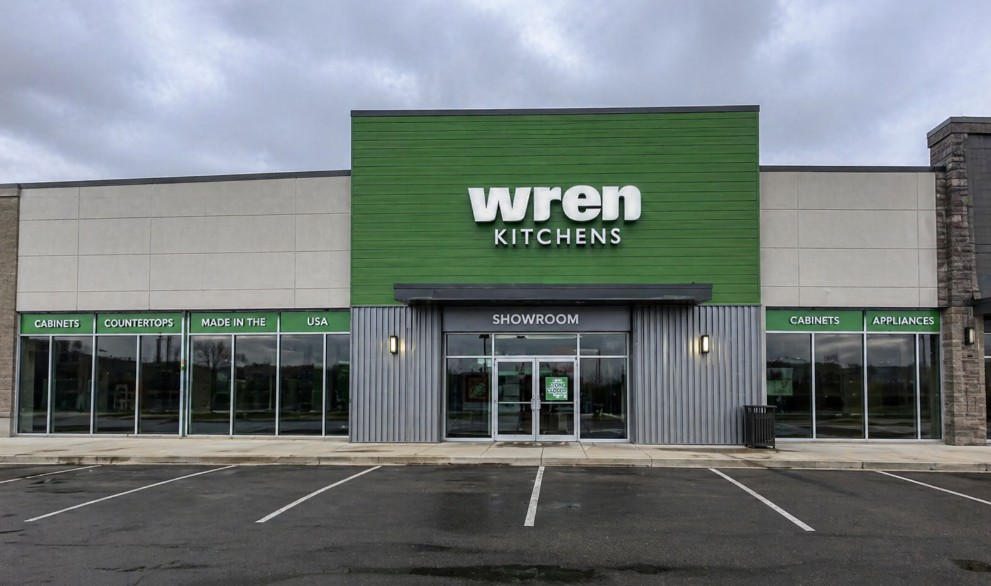

Wren Kitchens ceases US operations, leaving customers, employees, and partners facing sudden uncertainty.
The UK-based kitchen retailer filed for Chapter 7 bankruptcy in April 2026 and immediately shut down all its US locations, including retail stores and in-store studios.
The abrupt closure has raised serious concerns about customer deposits, employee layoffs, and the broader retail environment.
Key highlights:
- Wren Kitchens filed for Chapter 7 bankruptcy liquidation
- All 15 US stores and Home Depot studios were closed
- Customers risk losing thousands in deposits
- Employees were reportedly laid off without prior notice
- Legal action has been initiated under the WARN Act
This article explains what happened, why Wren Kitchens ceased US operations, and what it means for everyone affected.
What Happened to Wren Kitchens in the United States?

Wren Kitchens’ sudden exit from the US market shocked both customers and industry observers.
The company, originally based in the United Kingdom, had expanded aggressively into the United States, opening retail showrooms and manufacturing facilities while forming a strategic partnership with Home Depot.
However, in April 2026, Wren Kitchens ceased US operations and filed for Chapter 7 bankruptcy.
This form of bankruptcy involves complete liquidation, meaning the company does not intend to restructure or continue operations in the country.
An official message on its website confirmed the shutdown:
“We regret to inform you that our showrooms and studios are now closed,” the company stated, offering only a contact form for customer inquiries.
The sudden nature of the closure left little time for preparation, triggering widespread disruption across multiple stakeholders.
Why Did Wren Kitchens Cease US Operations?
The decision for Wren Kitchens to cease US operations appears to stem from a combination of economic pressure, competitive challenges, and operational costs.
The US home improvement sector has faced declining consumer spending, partly due to inflation and a slowdown in the housing market. Retailers in this space have struggled to maintain consistent revenue growth.
A retail analyst familiar with the sector explained:
“The home improvement market has become increasingly volatile, and companies without strong local adaptation often struggle to sustain growth.”
Key contributing factors include:
- Rising operational and logistics costs
- Decreased demand for large home renovation projects
- Strong competition from established US brands
- Economic uncertainty affecting consumer confidence
These combined pressures likely made it difficult for Wren Kitchens to sustain profitability in the US.
When Did Wren Kitchens Shut Down Its US Business?

The timeline of events highlights just how rapidly Wren Kitchens ceased US operations, leaving little time for preparation or response.
Reports indicate that employees were informed of the shutdown on April 23, 2026, during a company-wide virtual communication.
Just one day later, on April 24, the company officially filed for Chapter 7 bankruptcy. By the time the public announcement appeared on its website, operations had already been halted, and physical locations were closed.
This rapid sequence of events created significant disruption. Customers with pending orders and employees alike were caught off guard, with many learning about the closure at the same time.
The lack of advance notice contributed to confusion, frustration, and a surge in customer complaints.
How Many Stores Were Affected by the Wren Kitchens Closure?
Wren Kitchens closure in the United States affected all its retail stores, studio locations, and operational facilities, marking a complete and immediate exit from the market.
Total Number of Retail Locations Closed
Wren Kitchens operated a total of 15 standalone retail stores across the United States, all of which were shut down immediately after the company filed for Chapter 7 bankruptcy.
These showrooms were a key part of Wren’s strategy to establish a strong physical retail presence and offer customized kitchen design services to US customers.
The sudden closure of all locations reflects how quickly the company exited the market without a phased withdrawal.
Were All Stores Located on the East Coast?
Yes, the majority of Wren Kitchens’ US locations were concentrated along the East Coast.
This regional focus was part of the company’s initial expansion approach, targeting high-density housing markets where demand for kitchen remodeling was expected to be strong.
States like Connecticut, Pennsylvania, and New York were among the primary locations, allowing Wren to build a localized presence before considering broader national expansion
Impact on Wren Kitchen Studios Inside Home Depot
In addition to standalone stores, Wren Kitchens also operated branded studios within Home Depot locations. These were also closed without prior notice.
Store closure breakdown:
| Category | Number of Locations | Status |
| Retail Showrooms | 15 | Closed |
| Home Depot Studio Locations | Multiple | Closed |
| Manufacturing Facilities | Several | Closed |
The complete shutdown highlights the scale of Wren Kitchens’ exit from the US market.
What Does Chapter 7 Bankruptcy Mean for Wren Kitchens?
Chapter 7 bankruptcy is a liquidation process where a company ceases operations and sells its assets to repay creditors. Unlike Chapter 11, there is no restructuring plan involved.
Bankruptcy comparison:
| Bankruptcy Type | Purpose | Outcome |
| Chapter 7 | Liquidation | Business shuts down |
| Chapter 11 | Reorganization | Business continues |
| Chapter 13 | Individual repayment plan | Structured debt repayment |
For Wren Kitchens, this means its US operations will not resume, and any remaining assets will be distributed among creditors.
Customers and employees are typically classified as unsecured creditors, placing them lower in the repayment hierarchy.
This structure significantly impacts the likelihood of recovering lost funds.
How Did the Home Depot Partnership Influence the Situation?

Wren Kitchens partnered with Home Depot in 2024 to expand its presence in the US market. The collaboration allowed Wren to showcase its kitchen designs inside Home Depot stores, increasing visibility and accessibility.
However, the abrupt closure caught Home Depot off guard.
A Home Depot spokesperson stated:
“We had no previous notice of Wren’s intent to close, and we’re actively evaluating how this has affected customers.”
The partnership’s sudden end created operational challenges for Home Depot, particularly in addressing customer concerns tied to Wren Kitchens orders.
While the collaboration initially appeared promising, it ultimately did not shield Wren Kitchens from financial difficulties.
What Happened to Customers After Wren Kitchens Ceased US Operations?
Customers have been among the most affected by the shutdown. Many had ongoing kitchen renovation projects or pending deliveries when the company ceased operations.
Some customers reported losing deposits ranging from thousands to tens of thousands of dollars. Others were left with partially completed kitchens, creating additional financial and logistical burdens.
Customer challenges include:
- Unfulfilled orders and delayed installations
- Limited communication from the company
- Difficulty accessing refunds
- Ongoing construction disruptions
These issues have led to widespread frustration and uncertainty among affected households.
Can Customers Recover Money from Wren Kitchens?
In most cases, recovering money after Wren Kitchens ceased US operations is challenging due to its Chapter 7 bankruptcy filing.
Since this process involves liquidation, available funds are distributed based on a strict legal priority system.
Unfortunately, customers fall into the category of unsecured creditors, which significantly lowers their chances of receiving full or even partial refunds.
Refund Options Available to Customers
Recovering money depends largely on how the original payment was made and how quickly action is taken.
While direct refunds from the company are unlikely, some alternative routes may still offer a chance of recovery.
Customers can consider the following actions:
- Request a chargeback if payment was made via credit card
- File a dispute with their bank for debit or check payments
- Keep all invoices, receipts, and communication records
- Submit a claim in the bankruptcy proceedings if applicable
Taking these steps promptly can improve the likelihood of recovering at least part of the lost funds, although results are not guaranteed.
How Do Recovery Methods Compare in Terms of Success?
Different recovery methods offer varying levels of success depending on the situation, payment type, and timing.
Credit card payments generally provide the strongest protection, while bankruptcy claims tend to have the lowest recovery rates.
Recovery options comparison:
| Method | Likelihood of Success | Action Required |
| Credit Card Chargeback | High | Contact card provider |
| Bank Dispute | Moderate | File claim with bank |
| Bankruptcy Claim | Low | Submit court documentation |
While some recovery options exist, outcomes vary significantly depending on individual circumstances, making it essential for affected customers to act quickly and explore all available avenues.
How Were Employees Affected by the Sudden Closure?
The closure had a significant impact on employees, many of whom were reportedly laid off without prior notice. Workers across retail and manufacturing operations were informed abruptly, often during virtual meetings.
Reports suggest that employees did not receive the standard 60-day notice required under the Worker Adjustment and Retraining Notification (WARN) Act.
An employee described the experience:
“Nobody knew about it, and within hours, everything was shut down.”
The sudden job loss created immediate financial strain for hundreds of workers, raising concerns about labor practices and corporate responsibility.
What Legal Issues Is Wren Kitchens Facing in the US?

Wren Kitchens is currently facing legal challenges related to its closure, particularly concerning alleged violations of the WARN Act.
A class action lawsuit has been filed, claiming that the company failed to provide adequate notice before terminating employees. The WARN Act requires employers with over 100 employees to give at least 60 days’ notice before mass layoffs.
Legal concerns include:
- Failure to provide advance layoff notice
- Potential employee compensation claims
- Bankruptcy-related litigation
- Consumer complaints regarding deposits
These legal proceedings could influence how remaining assets are distributed and whether employees receive compensation.
What Can Consumers Learn from the Wren Kitchens Bankruptcy?
The Wren Kitchens case highlights important lessons for consumers engaging in large home improvement projects.
Key takeaways:
- Avoid large upfront payments when possible
- Use credit cards for better purchase protection
- Verify company stability before committing
- Keep detailed records of all transactions
This situation also underscores the risks associated with even well-established brands. While Wren Kitchens was a major retailer in the UK, its US expansion faced challenges that ultimately led to its collapse.
Consumers can reduce risk by taking proactive measures and staying informed about the financial health of service providers.
Conclusion
The shutdown of Wren Kitchens US operations marks a major moment in home improvement retail. Its sudden closure and Chapter 7 bankruptcy have left customers, employees, and partners facing uncertainty and potential financial losses.
While UK operations continue, the failed US expansion highlights the risks of entering competitive international markets.
Customers must now seek refunds or solutions for incomplete projects, while employees face disruption.
Overall, it underscores the importance of financial caution, consumer protection, and informed decisions when making high-value purchases.
FAQs About Wren Kitchens Ceases US Operations
Is Wren Kitchens still operating outside the United States?
Yes, Wren Kitchens continues to operate in the United Kingdom, where it remains a major kitchen retailer.
What is the difference between Chapter 7 and Chapter 11 bankruptcy?
Chapter 7 involves liquidation and closure, while Chapter 11 allows a company to restructure and continue operations.
How can customers track the bankruptcy case updates?
Customers can monitor court filings through the US Bankruptcy Court system or sign up for case alerts.
Are deposits for home improvement projects always risky?
Deposits carry inherent risk, especially if the company faces financial issues, but using protected payment methods can reduce exposure.
What role do state consumer protection agencies play in such cases?
These agencies can assist with complaints, investigations, and guidance on recovering lost funds.
Can employees take legal action for sudden layoffs?
Yes, employees may pursue legal action if labor laws, such as the WARN Act, were violated.
What are the safest payment methods for large purchases like kitchens?
Credit cards are generally the safest due to built-in dispute and chargeback protections.