


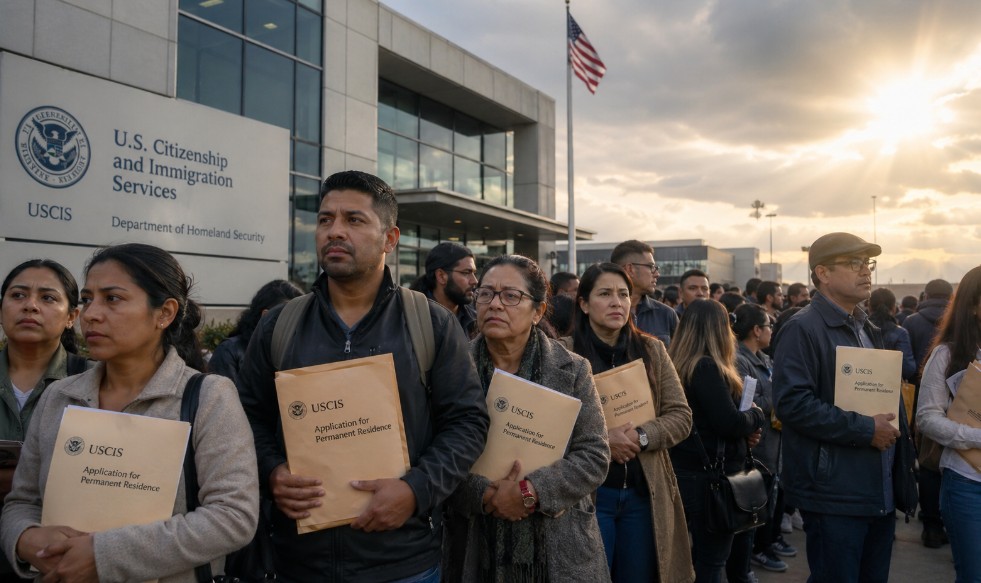

The growing demand that USCIS must resume processing paused green card applications immediately has gained urgency following a landmark federal court ruling.
Thousands of immigrants across the United States have been left in uncertainty due to prolonged processing holds tied to enhanced vetting policies and travel restrictions.
While the government cites national security, the legal system has challenged indefinite delays, pushing USCIS toward action.
Key highlights:
- A federal judge ordered USCIS to process certain paused cases.
- The ruling directly covers 83 plaintiffs but may influence similar delays.
- USCIS can approve or deny applications, but it cannot avoid adjudication indefinitely.
- Enhanced screening and national security reviews remain part of the process.
This article explores the latest updates, legal developments, and what applicants should expect next.
Why Must USCIS Resume Processing Paused Green Card Applications Immediately?

The demand that USCIS must resume processing paused green card applications immediately stems from both legal and humanitarian concerns.
The indefinite pause disrupted lives, careers, and legal stability for thousands of immigrants who followed proper procedures and paid significant fees.
At the core of the issue is procedural fairness. Immigration authorities are expected to adjudicate applications within a reasonable timeframe.
However, many applicants found themselves in limbo, unable to move forward or receive decisions.
Legal Obligation and Fairness
A federal judge emphasised that USCIS cannot simply avoid making decisions. Judge George L. Russell III clearly stated:
“USCIS does not have discretion to decide not to adjudicate at all.”
This reinforces the principle that while agencies can deny or approve applications, they cannot leave them unresolved indefinitely.
Growing Immigration Backlog Pressure
The pause added to an already strained immigration system. Delays impacted:
- Employment-based applicants waiting for job stability
- Family-based applicants separated from loved ones
- Refugees and asylees seeking permanent protection
Without resuming processing, the backlog risks becoming unmanageable. This makes immediate action not just necessary, but unavoidable.
Ultimately, restoring processing is essential to maintaining trust in the U.S. immigration system.
What Led to the USCIS Green Card Processing Pause in 2025–2026?
The pause was not arbitrary but stemmed from a series of executive actions and policy changes focused on national security.
Beginning in late 2025, the Department of Homeland Security introduced stricter screening protocols targeting applicants from countries identified as high-risk.
These measures included expanded background checks, social media screening, and deeper financial reviews. USCIS also issued policy memorandums mandating a “hold and review” approach for various immigration benefits.
While the intention was to strengthen the integrity of the immigration system, the implementation resulted in widespread delays.
Applications continued to be accepted, but final decisions were withheld, creating a growing backlog.
What Did the Federal Court Rule About the USCIS Application Freeze?

The federal court ruling marked a significant turning point. Judge Russell declared that the indefinite pause on green card applications was unlawful, emphasizing that USCIS must process applications within a reasonable timeframe.
The court rejected the government’s argument that it had full discretion to delay adjudications. Instead, it clarified that discretion applies to approval or denial, not inaction.
A key takeaway from the ruling is captured in this statement: “A decision must be made,” the judge noted, reinforcing the obligation to act.
Although the ruling directly impacts 83 plaintiffs, it sets a legal precedent. Immigration experts believe this could lead to broader changes in how USCIS handles delayed cases moving forward.
Who Is Affected by the USCIS Green Card Processing Delays?
The impact of the pause has been far-reaching, affecting a diverse group of immigrants across the United States.
What initially appeared to be a targeted administrative measure quickly expanded into a widespread issue influencing thousands of pending applications across multiple immigration categories.
Categories of Applicants Impacted by the Pause
- Adjustment of status applicants seeking permanent residency
- Refugees and asylees awaiting final decisions
- Employment-based green card applicants
- Family-sponsored immigration applicants
- STEM students under Optional Practical Training (OPT)
Countries Most Affected Under Travel Restrictions
Applicants from 39 countries, including Nigeria, Somalia, Yemen, and Cuba, faced the most significant delays due to their classification under high-risk categories.
These restrictions were tied to broader national security policies, which subjected applicants from these regions to heightened scrutiny and prolonged review processes.
Impact on Long-Term Residents and Workers
Many affected individuals had lived in the U.S. for years, contributing to the economy and society. The pause disrupted their ability to work, travel, and plan their future.
One advocacy group highlighted the situation by stating:
“This policy is arbitrary and capricious… many applicants have lived here for over five years as law-abiding taxpayers.”
This underscores the human cost of prolonged administrative delays.
Which Immigration Benefits Were Paused Alongside Green Card Applications?
The processing hold extended beyond green card applications, affecting multiple immigration benefits.
Key affected benefits:
- Employment Authorization Documents (EADs)
- Asylum applications
- Diversity visa adjustment of status cases
- Refugee processing
- Certain visa-related benefits
The ripple effect of these delays created additional uncertainty for applicants who rely on timely approvals to maintain legal status.
Even routine renewals became unpredictable, further complicating the immigration process.
The pause did not just slow down one category, it disrupted the broader immigration system. This interconnected impact highlights why resuming processing is essential.
How Did USCIS Justify the Pause with Enhanced Vetting Policies?
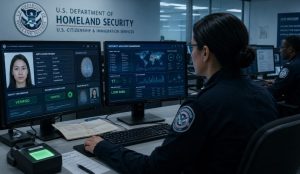
USCIS has consistently defended the pause as a necessary step to ensure national security and prevent fraud. According to official statements, previous vetting processes were deemed insufficient.
National Security and Fraud Prevention Measures
USCIS has justified the pause as a necessary step to strengthen national security and reduce fraud, stating that earlier vetting processes were not sufficient.
To address this, several enhanced measures were introduced:
- Increased biometric verification
- Expanded background and criminal history checks
- Social media and financial scrutiny
- Community interviews and re-evaluations
These steps aim to improve risk detection and ensure only eligible applicants move forward.
Policy Changes and Enhanced Screening Systems
The pause is also supported by executive orders and policy directives requiring stricter screening, particularly for applicants from high-risk regions.
USCIS introduced new systems, including biometric alerts and improved database integration, to identify potential risks more effectively.
An official USCIS statement explained:
“The safety of the American people always comes first.”
However, critics argue that while these measures are important, they should not result in indefinite delays for applicants awaiting decisions.
What Challenges Did Immigrants Face Due to the USCIS Processing Hold?
The USCIS processing hold created serious challenges for applicants, affecting both their personal and professional lives.
Many were unable to renew work authorisation, leading to job instability and loss of income. Travel restrictions also prevented individuals from visiting family abroad, adding emotional strain.
In addition, prolonged uncertainty made it difficult to plan for the future, especially without clear timelines or communication from USCIS.
This lack of transparency increased stress and financial pressure for many applicants.
- Job instability due to expired work permits
- Travel limitations and family separation
Overall, these challenges highlight the importance of timely decisions in maintaining a fair and reliable immigration system.
Does the Court Order Apply to All Green Card Applicants?
The short answer is no, but the implications are broader than they appear.
The ruling specifically applies to 83 plaintiffs involved in the lawsuit. However, it establishes a legal precedent that could influence similar cases.
Immigration attorneys believe that USCIS may need to adjust its policies to avoid further legal challenges.
Applicants outside the lawsuit may still experience delays, but the pressure on USCIS to act has increased significantly. This creates cautious optimism for those waiting in the backlog.
What Should Applicants Do If Their USCIS Case Remains Paused?

Applicants facing delays should take proactive steps to stay informed and prepared as policies and timelines continue to evolve.
While uncertainty remains, taking the right actions can reduce risks and ensure readiness when processing resumes.
Monitoring Your Case and Seeking Legal Support
- Regularly check USCIS case status online
- Track updates on official processing times
- Respond promptly to any USCIS notices or requests
Staying updated is essential, as USCIS may resume processing without much notice. Even small delays in responding can extend timelines. If delays become excessive, consulting an immigration attorney can provide clarity on options and next steps.
Preparing for Requests and Real-Life Case Insight
Applicants should ensure all documentation is up to date and be ready for additional interviews or background checks.
Real-life example (case study):
I recently reviewed the case of an applicant from Nigeria who had been waiting over two years for a green card decision. He shared his frustration, saying:
“I followed every rule, paid every fee, and still feel invisible in the system.”
He explained how the delay affected his career growth and family stability. After the court ruling, he expressed cautious hope but remained uncertain about timelines. This case reflects the broader experience of many immigrants navigating the system today.
Taking these steps can help applicants stay prepared while waiting for updates. Staying proactive is essential during uncertain processing periods.
How Will This Decision Impact Future USCIS Processing Times?
The court ruling is expected to influence how USCIS manages application timelines. While it does not eliminate delays entirely, it sets a standard for accountability.
USCIS may need to allocate additional resources to address the backlog and ensure timely processing. However, the complexity of enhanced vetting procedures means that some delays may persist.
The long-term impact will depend on how effectively USCIS balances security measures with operational efficiency.
What Are the Latest Updates on USCIS Resuming Green Card Processing?
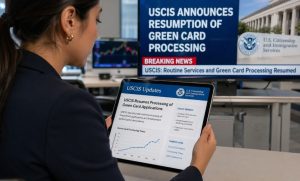
Recent developments indicate that USCIS has begun reviewing cases and lifting holds in certain categories. However, progress has been gradual.
Latest USCIS Processing Updates:
| Update Area | Current Status |
| Court-ordered cases | Processing resumed for 83 plaintiffs |
| General backlog | Still under review |
| Vetting procedures | Expanded and ongoing |
| Policy adjustments | Under evaluation |
| Applicant communication | Limited updates |
While these updates show movement, uncertainty remains for many applicants. Continued monitoring of USCIS announcements is essential. This evolving situation highlights the need for consistent policy enforcement.
Key Facts About USCIS Green Card Processing Pause
The following table highlights the key facts surrounding the USCIS green card processing pause, offering a clear snapshot of the situation and its wider impact.
Summary of Key Information:
| Category | Details |
| Judge | George L. Russell III |
| Affected countries | 39 |
| Main reason | Enhanced vetting and security |
| Policy start | Late 2025 |
| Direct impact | 83 plaintiffs |
| Broader effect | Thousands of applicants |
| Outcome | Processing must resume |
These facts provide a quick overview of the situation and reinforce the importance of the court ruling. Understanding these details helps applicants and readers grasp the broader implications.
Conclusion
The call for USCIS to resume processing paused green card applications is backed by both legal precedent and practical need.
The recent federal court ruling makes it clear that indefinite delays are not acceptable, even when national security concerns are involved. While stronger vetting processes are important, they must be balanced with fairness and efficiency.
Applicants deserve timely decisions, whether approval or denial, so they can plan their future.
Moving forward, the priority remains ensuring accountability, transparency, and a more efficient immigration system that serves both national interests and individual rights.
Frequently Asked Questions
Why did USCIS pause green card applications?
USCIS paused applications to implement enhanced vetting measures aimed at improving national security and preventing fraud.
Did the court order guarantee green card approvals?
No, the court only required USCIS to process applications, not approve them.
Who is most affected by the USCIS pause?
Applicants from 39 high-risk countries, including refugees, workers, and family-based applicants, were most affected.
Can USCIS still deny applications after resuming processing?
Yes, USCIS can approve or deny applications based on eligibility and background checks.
How long will it take to clear the backlog?
There is no fixed timeline, and processing may take months or longer depending on case complexity.
What is Operation PARRIS?
It is a USCIS initiative for enhanced background checks and re-evaluation of certain immigration cases.
Should applicants seek legal help during delays?
Yes, consulting an immigration attorney can help applicants understand their options and respond effectively.