


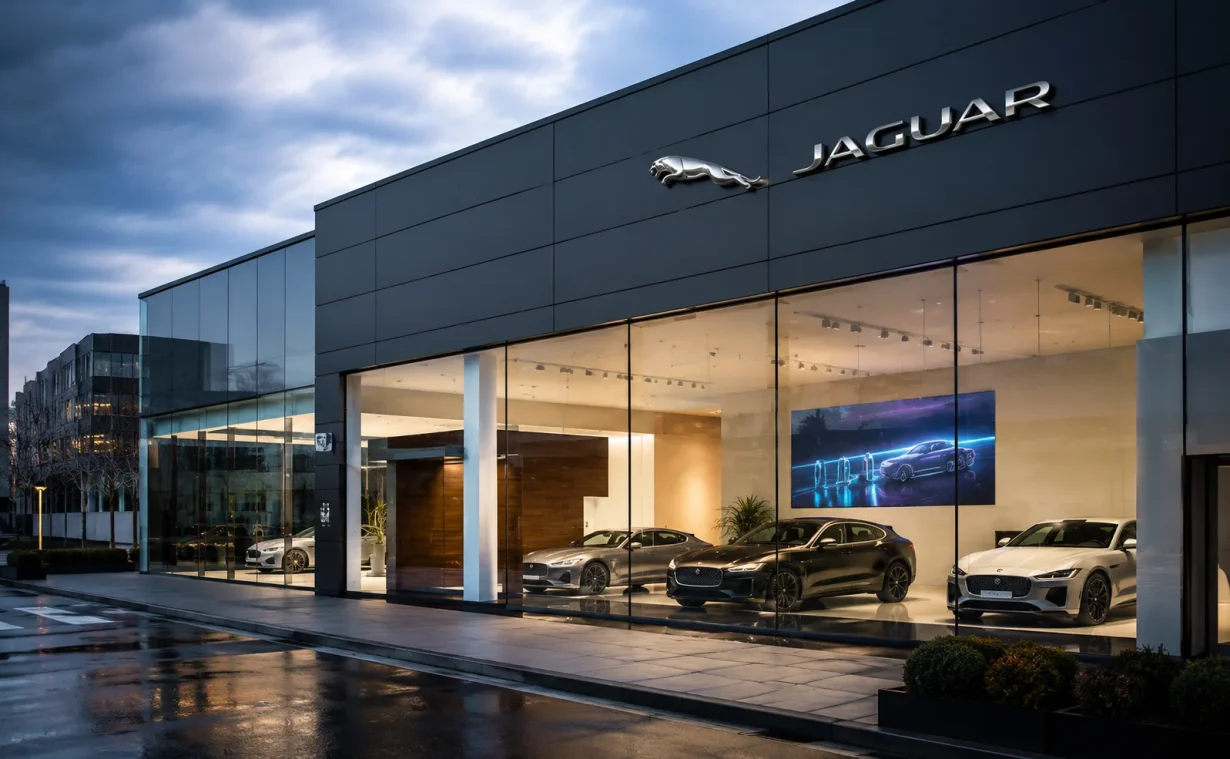

Jaguar is not going out of business in 2026. Although the iconic British automaker has discontinued several models and reduced its traditional vehicle lineup, the company is undergoing a major strategic transformation rather than shutting down.
Jaguar is repositioning itself as an ultra-luxury, all-electric brand, aiming to compete in the premium EV market with a new generation of high-end vehicles.
Key Highlights:
- Jaguar remains operational under JLR and Tata Motors.
- The brand is transitioning to an all-electric future.
- Several traditional models have been discontinued.
- Jaguar continues to operate in major global markets.
- New luxury EVs are planned for future growth.
Is Jaguar Going Out of Business?
Jaguar is not shutting down and remains an active automotive brand. The company continues to operate as part of JLR, with ongoing support from its parent company, Tata Motors, and has not announced any plans to cease operations.
While Jaguar has discontinued several models and reduced its traditional vehicle lineup, these changes are part of a broader strategy to transition towards an all-electric luxury future.
Although the brand’s reduced market presence has led to speculation, Jaguar remains backed by a major global automotive group and is preparing to launch a new generation of premium electric vehicles.
Current Position Snapshot:
| Area | 2026 Status |
| Business status | Not closing |
| Parent company | Tata Motors through JLR |
| Main strategy | Ultra-luxury electric vehicles |
| Traditional lineup | Mostly discontinued or paused |
| USA presence | Supported through JLR North America |
| Key risk | Relaunch timing and EV demand |
The real story is not closure. It is reinvention at a scale that naturally creates concern.
Why Do People Think Jaguar Is Shutting Down?
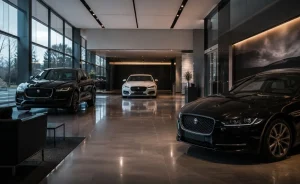
Many people believe Jaguar is shutting down because the brand has discontinued several petrol-powered models, reduced its vehicle range, and is waiting to launch a new generation of electric vehicles. This transition has made Jaguar appear quieter in the market.
Sales have also declined significantly in recent years, making its previous business model harder to maintain. At the same time, Jaguar faced strong competition from brands such as BMW, Mercedes-Benz, Audi, Porsche, and emerging EV manufacturers.
These factors have contributed to speculation, even though Jaguar is undergoing a major transformation rather than closing down
Main reasons behind the rumors:
- Jaguar discontinued or paused familiar models.
- Dealers have been selling remaining inventory.
- The EV relaunch has taken longer than some expected.
- Sales declined significantly from the 2018 peak.
- The rebrand was bold, controversial, and widely debated.
These factors explain why the question “is Jaguar going out of business” has become so common among US buyers.
What Is Jaguar’s New Business Strategy for 2026?
Jaguar’s new strategy is to stop chasing mainstream luxury volume and instead become a smaller, more exclusive, all-electric luxury brand.
Rather than competing directly in the $60,000 to $90,000 premium segment, Jaguar aims to move into a higher price bracket, closer to brands such as Bentley, Aston Martin, Porsche, and select ultra-luxury EV rivals.
Jaguar managing director Rawdon Glover admitted the old direction did not work, saying, “The transition into the premium volume segment wasn’t successful.”
That statement explains why Jaguar is not simply refreshing old cars. It is trying to rebuild the brand’s business model from the ground up.
From Mainstream Luxury to Ultra-Luxury EVs
Jaguar’s future product strategy is built around electric vehicles with premium design, high performance, and exclusivity. The Type 00 concept previews the new design direction, while the future production model is expected to be a dramatic electric grand tourer.
The idea is to make Jaguar less dependent on volume and more focused on profit per vehicle.
Strategy Comparison:
| Old Jaguar Strategy | New Jaguar Strategy |
| Compete with BMW, Audi, Mercedes-Benz | Compete with ultra-luxury and premium EV brands |
| Broad luxury appeal | More exclusive buyer base |
| Gas, hybrid, and EV mix | All-electric direction |
| Higher volume goals | Lower volume, higher margin |
| Traditional styling | Radical modern design |
This shift is bold, but it also means Jaguar must persuade buyers to see the brand differently.
Why Jaguar Is Choosing Lower Volume and Higher Prices?
Jaguar’s leadership appears to believe that selling fewer expensive vehicles is more realistic than chasing hundreds of thousands of annual sales.
JLR CEO Adrian Mardell described the move by saying, “It’s a complete reset, but we’ve done it before with Defender and we will do it at Jaguar.”
That confidence comes from JLR’s success with high-margin Land Rover models such as Range Rover and Defender. Jaguar now wants a similar premium positioning, but with electric vehicles.
The challenge is that Jaguar must attract new customers without losing too much brand credibility among existing owners.
Which Jaguar Models Have Been Discontinued or Paused?
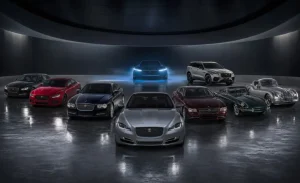
Jaguar has phased out or paused many of its familiar models as part of the reset. This includes traditional sedans, sports cars, SUVs, and even earlier EV offerings.
Models affected by the transition include the XE, XF, F-Type, E-Pace, I-Pace, and eventually the F-Pace as Jaguar clears legacy inventory. The F-Pace remained one of the last major models available during the transition, but the long-term direction is not based on the old lineup.
Model Transition Overview:
| Jaguar Model | 2026 Relevance |
| XE | Discontinued/legacy model |
| XF | Discontinued/legacy model |
| F-Type | Discontinued sports car |
| E-Pace | Phased out |
| I-Pace | Previous EV phased out |
| F-Pace | Remaining inventory/transition model |
| Type 00/Type 01 direction | Future EV strategy |
This model gap is one of the biggest reasons buyers believe Jaguar is disappearing. In reality, Jaguar is intentionally clearing the old product portfolio before launching its next era.
Is Jaguar Still Selling Cars in the USA?
Jaguar still has a US presence through JLR North America, LLC, headquartered in Mahwah, New Jersey. This division oversees marketing, sales, distribution, and dealer operations for Jaguar and Range Rover in the United States.
However, availability of new Jaguar vehicles may be limited compared with previous years because the brand is transitioning away from older models. Some US dealers may still sell remaining inventory, certified pre-owned vehicles, or used Jaguar models.
For consumers, the practical answer is that Jaguar has not vanished from the US market, but the buying experience is changing. Shoppers may find fewer new vehicles, more focus on existing inventory, and growing anticipation around future electric models.
Who Owns Jaguar, and Does Tata Motors Still Support the Brand?
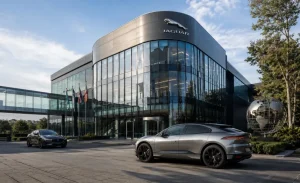
Jaguar is owned by Tata Motors through JLR. Tata Motors acquired Jaguar Land Rover in 2008, and Jaguar has operated under that ownership structure since then.
This is important because it separates Jaguar’s product pause from a full business collapse. A standalone automaker with falling sales might face severe survival concerns, but Jaguar is part of a larger automotive group with global resources and established operations.
Jaguar’s Relationship with JLR and Tata Motors
Jaguar sits inside JLR alongside Range Rover, Defender, and Discovery. While Jaguar has struggled, Land Rover-related brands have remained stronger commercially. That gives JLR a reason to reposition Jaguar rather than abandon it.
JLR chief creative officer Gerry McGovern summarized the design reset bluntly: “[Jaguar’s] past strategy wasn’t the right one. It was looking back too much.”
That insight explains why Jaguar’s new vehicles may look and feel very different from traditional Jaguars.
Jaguar Business US and North American Operations
In the United States, Jaguar Business US operates through JLR North America. Its role includes dealer support, vehicle distribution, sales operations, and brand communications.
The North American footprint matters because many US buyers worry about warranties, service, and parts. As long as JLR North America continues supporting Jaguar through its dealer and retail network, existing owners should not assume they are being abandoned.
What Does Jaguar’s Transformation Mean for Current Owners and Buyers?
Jaguar’s transformation does not mean the brand is abandoning its existing customers. Current owners can still access authorized Jaguar and JLR service centers for routine maintenance, warranty support, repairs, and parts availability.
While the company is shifting toward a new all-electric future, support for legacy vehicles is expected to continue throughout the transition period.
Key Considerations for Owners and Buyers:
- Vehicle Status: Determine whether the Jaguar is new, used, or certified pre-owned before making a purchase decision.
- Warranty Coverage: Review and confirm warranty terms and service agreements with the dealer in writing.
- Service and Parts Support: Ask about long-term maintenance options, parts availability, and authorized service locations.
- Resale Value: Compare ownership costs and resale trends with competing luxury brands such as Porsche, BMW, Genesis, and Mercedes-Benz.
- Future Needs: Consider whether Jaguar’s outgoing models align with your long-term driving and ownership expectations.
Jaguar can still be a compelling choice, but buyers should approach the transition with clear expectations.
What Risks and Opportunities Could Shape Jaguar’s Future?
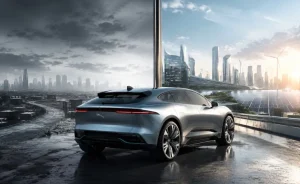
Jaguar faces significant risks as it transitions to an all-electric luxury brand. One of the biggest challenges is the gap between discontinuing existing models and successfully launching new EVs. Luxury EV buyers are highly selective, and competition in the premium electric market continues to grow.
Key risks include:
- Strong competition from established and emerging EV brands.
- Uncertainty over customer demand for high-priced electric models.
- Reduced market visibility during the transition period.
Despite these challenges, Jaguar also has valuable opportunities. The brand retains strong heritage, global recognition, and a reputation for distinctive design.
If Jaguar can combine luxury, performance, advanced technology, and competitive electric range, it could establish a profitable niche in the premium EV market and successfully reinvent itself for the future
Can Jaguar’s Reinvention Succeed or Will the Brand Continue to Struggle?
Jaguar’s reinvention can succeed, but it is far from guaranteed. The brand must do several difficult things at once: rebuild consumer trust, justify six-figure pricing, launch competitive EVs, maintain dealer confidence, and attract a younger, wealthier audience.
The future Jaguar will likely be much smaller than the Jaguar of the past. That does not necessarily mean failure.
A lower-volume brand can be successful if margins are strong and demand is stable. But if the new EVs miss the mark on design, range, pricing, or timing, Jaguar could continue to struggle.
The key issue is whether consumers accept Jaguar as an ultra-luxury EV brand rather than a stylish alternative to German luxury cars. That shift is the heart of the 2026 story.
Conclusion
Jaguar is not going out of business in 2026, but it is undergoing one of the biggest transformations in its history.
The brand is moving away from its traditional models and focusing on an all-electric ultra-luxury strategy. Backed by JLR and Tata Motors, Jaguar has the resources to support this transition.
However, its future success will depend on whether customers embrace its new EV-focused direction. Rather than closing down, Jaguar is entering a challenging new chapter aimed at redefining its place in the luxury automotive market.
Frequently Asked Questions
Is Jaguar still manufacturing vehicles in 2026?
Jaguar is not operating in the same way it did before the reset. Much of its traditional lineup has been discontinued or paused, while the company prepares for new electric models.
Why did Jaguar discontinue many of its popular models?
Jaguar discontinued many models because its old mainstream luxury strategy was not generating enough sales or profitability. The company is shifting toward lower-volume, higher-priced EVs.
Will Jaguar dealerships remain open during the transition?
Many Jaguar retailers are expected to continue supporting owners, especially where they operate alongside JLR or Range Rover services. However, some dealer operations may change as sales volumes fall.
Are Jaguar warranties and service plans still valid?
Existing warranties and service plans should remain valid according to their terms. Owners should confirm coverage directly with an authorized Jaguar or JLR service center.
What is the expected price range of Jaguar’s new electric vehicles?
The future Jaguar EV lineup is expected to start above $120,000, with some references pointing to around $130,000 for the first major new model.
How does Jaguar’s strategy differ from other luxury automakers?
Jaguar is not simply adding EVs to an existing lineup. It is replacing its old identity with a smaller, more exclusive, all-electric luxury strategy.
Should consumers consider buying a Jaguar during the brand transition?
Consumers can consider buying a Jaguar, especially certified pre-owned or remaining inventory, but they should review warranty, service access, resale value, and long-term ownership costs carefully.