



Who Will Receive the May 27 Social Security Payment?

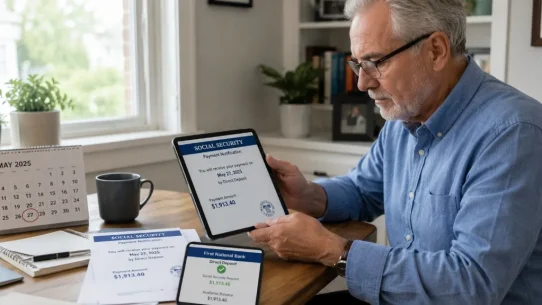
If your birthday falls between the 21st and the 31st of any month and you receive Social Security under the standard post-May 1997 payment system, your May 27 Social Security payment is scheduled to arrive on Wednesday, May 27, according to the Social Security Administration (SSA) payment calendar.

This payment marks the final Social Security distribution for May and follows the agency’s staggered payment structure designed to process millions of benefits efficiently each month.

Key Points

  • May 27 payments apply to eligible beneficiaries with birthdays from the 21st–31st
  • The payment follows the SSA’s fourth-Wednesday schedule
  • Direct deposit generally arrives faster than mailed payments
  • Benefit amounts vary based on earnings history and claiming age
  • Beneficiaries with SSI or pre-May 1997 exceptions may follow different dates

Understanding who qualifies and how the payment schedule works can help you plan finances, avoid confusion, and know what to do if your deposit does not arrive as expected.

Who Will Receive the May 27 Social Security Payment?

The May 27 Social Security payment is scheduled for beneficiaries whose birthdays fall between the 21st and the last day of the month.

This payment applies to most Social Security recipients enrolled under the modern payment schedule introduced after May 1997. The system distributes benefits across multiple Wednesdays rather than issuing all payments at once.

Social Security supports more than 70 million Americans across retirement, disability, survivor, and related programs. Because of this scale, payment distribution follows an organized calendar.

If you qualify under the birth-date schedule, your payment date remains generally consistent every month.

Who Receives Social Security Payments by Birth Date?

Birth Date Typical Payment Day
1st–10th Second Wednesday
11th–20th Third Wednesday
21st–31st Fourth Wednesday

This schedule helps beneficiaries predict income timing throughout the year.

“Benefit payments are scheduled to support consistent and reliable delivery while reducing administrative bottlenecks across millions of monthly transactions.” – Social Security Administration payment guidance

Why Is the May 27 Social Security Payment Being Sent on This Date?

Why Is the May 27 Social Security Payment Being Sent on This Date

Social Security benefits are commonly distributed on Wednesdays under a staggered system tied to birth dates. May 27 represents the final Wednesday payment cycle for the month and covers beneficiaries in the last birth-date range.

The scheduling model was introduced to improve operational efficiency and reduce strain on payment processing systems. Rather than processing every payment simultaneously, the SSA distributes payments over several weeks.

This structure has remained in place for decades and allows beneficiaries to anticipate deposits consistently.

Although payment dates are predictable, actual fund availability may vary slightly depending on banks, payment processors, and account settings.

How Does the Social Security Birthday Payment Schedule Work?

The SSA’s payment structure divides recipients into groups based on birthdays to maintain a steady and organized distribution system throughout each month.

This method helps ensure payments are processed consistently while giving beneficiaries a reliable schedule they can follow.

Which Birth Dates Receive Payments on the Second, Third, and Fourth Wednesday?

Recipients receive benefits according to these windows:

  • Birthdays from the 1st–10th receive payment on the second Wednesday
  • Birthdays from the 11th–20th receive payment on the third Wednesday
  • Birthdays from the 21st–31st receive payment on the fourth Wednesday

This structure applies broadly across retirement benefits, disability payments, and survivor benefits under the standard payment model.

Understanding the SSA’s Monthly Distribution System

The payment system is designed to spread transaction volume and maintain payment reliability across millions of beneficiaries.

However, certain groups follow separate schedules, including people who started receiving Social Security before May 1997 and individuals receiving Supplemental Security Income (SSI).

Example May 2026 Social Security Schedule:

Payment Date Eligible Group
May 13 Birthdays 1–10
May 20 Birthdays 11–20
May 27 Birthdays 21–31

Understanding this structure makes it easier to anticipate future deposits, reduce confusion, and plan monthly expenses with greater confidence.

Who Will Not Receive a Social Security Payment on May 27?

Who Will Not Receive a Social Security Payment on May 27

Not every beneficiary is included in the May 27 distribution window. If you fall into one of the categories below, your payment schedule may differ from the standard fourth-Wednesday schedule.

Recipients who may not receive payment on May 27 include:

  • People receiving Social Security before May 1997
  • Individuals receiving both Social Security and SSI
  • Beneficiaries with birthdays between the 1st and 20th
  • SSI-only recipients

For example, recipients who qualify for SSI generally receive payments on the first business day of the month. Likewise, beneficiaries receiving retirement benefits before May 1997 usually receive deposits near the beginning of the month.

Reviewing your account through My Social Security remains the most accurate method to confirm your payment schedule.

This distinction helps avoid unnecessary concerns when others receive benefits earlier.

How Much Could You Receive in the May 27 Social Security Payment?

Your payment amount is not determined by the payment date itself. Instead, Social Security calculates benefits using earnings history, lifetime taxable income, work credits, and the age at which benefits begin.

Some retirees may receive significantly larger payments than others.

Example 2026 Social Security Benefit Levels:

Scenario Estimated Monthly Benefit
Claim at age 62 Around $2,969
Full retirement age Around $4,152
Delay to age 70 Up to $5,181
Average retired worker Around $2,026

Most retirees receive amounts below the maximum available figure because eligibility and benefit calculations are highly individualized.

“Social Security benefits are individualized calculations rather than fixed monthly amounts.” – SSA retirement benefit framework

Understanding this distinction helps set realistic expectations and prevents confusion around payment headlines.

Does Your Claiming Age Affect Your Social Security Benefit Amount?

Does Your Claiming Age Affect Your Social Security Benefit Amount

The age you choose to start claiming Social Security can significantly affect your monthly benefit amount. Claiming benefits early, such as at age 62, usually results in lower monthly payments because the benefits are spread over a longer retirement period.

In contrast, delaying benefits until full retirement age or even age 70 can increase monthly income substantially.

Many people consider factors such as retirement goals, health conditions, expected lifespan, employment plans and healthcare costs before deciding when to claim.

For many retirees, the decision is part of a broader long-term financial and retirement planning strategy rather than simply taking benefits as early as possible.

What Should You Do If Your May 27 Social Security Payment Has Not Arrived?

Most Social Security payments arrive on time, especially for beneficiaries using direct deposit. However, occasional delays can happen because of banking issues, processing updates or account verification checks.

The SSA generally recommends waiting several business days before reporting a missing payment.

Check Your Payment Status Through Your My Social Security Account

Your online Social Security account can help you review important payment information quickly before contacting support services.

Your account can show:

  • Scheduled payment dates
  • Deposit and payment history
  • Benefit details and updates
  • Account notifications or alerts

Checking your account should usually be the first step when investigating delayed payments.

When to Contact the Social Security Administration?

If your payment still has not appeared after the recommended waiting period, contacting SSA support may be necessary to investigate the issue further.

Possible causes include:

  • Banking information updates
  • Closed or inactive accounts
  • Payment processing delays
  • Identity verification problems

Direct Deposit and Paper Check Delivery Expectations

Direct deposit remains the fastest and most reliable payment method for most beneficiaries. Paper checks may require additional mailing and processing time depending on postal conditions and location.

Typical Delivery Expectations:

Method Typical Timing
Direct Deposit Scheduled payment day
Paper Check Additional 3–5 days

Monitoring your account regularly can reduce unnecessary concerns and improve payment visibility throughout the month.

“Beneficiaries should verify account information regularly to minimize avoidable payment disruptions.” — Social Security service recommendation

How Does the May 27 Social Security Payment Compare With Other May Payment Dates?

How Does the May 27 Social Security Payment Compare With Other May Payment Dates

The May payment schedule follows a structured sequence and does not indicate differences in payment value or eligibility priority. Earlier payments are simply tied to earlier birth-date ranges.

Recipients receiving payments on May 13 or May 20 are not receiving larger benefits compared with those receiving payments on May 27.

The date only determines when benefits are delivered. This consistency allows beneficiaries to align household bills, healthcare costs, and personal budgeting with expected deposits.

Knowing your assigned payment schedule can reduce uncertainty and improve financial planning.

What Are the Next Social Security Payment Dates After May 27?

If you receive benefits in the fourth-Wednesday group, your future schedule continues in the same pattern. Upcoming payment timing includes the final Wednesday group in subsequent months.

June follows this pattern:

  • June 1 — SSI payments
  • June 3 — Special schedule recipients
  • June 10 — Birthdays 1–10
  • June 17 — Birthdays 11–20
  • June 24 — Birthdays 21–31

Because payment timing remains predictable, beneficiaries can create monthly financial plans with greater confidence. Long-term awareness of payment timing often becomes especially useful for households relying heavily on fixed income.

What Should You Know About the 2026 COLA and Your Social Security Benefits?

Social Security benefits increased in 2026 following the 2.8% Cost-of-Living Adjustment (COLA). COLA exists to help benefits maintain purchasing power as living costs rise.

By May 2026, beneficiaries have already received several months of adjusted benefit amounts. Although future estimates suggest possible changes in upcoming years, COLA is recalculated annually using inflation measurements.

This means the May 27 Social Security payment reflects current approved benefit levels rather than any new mid-year adjustment.

For recipients, the key takeaway is simple: payment timing remains separate from annual benefit increases.

Conclusion

The May 27 Social Security payment is scheduled for eligible beneficiaries whose birthdays fall between the 21st and 31st under the standard SSA payment structure.

While the payment date itself does not affect benefit amount, understanding the calendar helps you manage expectations, plan expenses, and verify deposits more effectively.

Whether you receive retirement, survivor, or disability benefits, knowing your assigned payment schedule reduces uncertainty and makes monthly budgeting easier.

If your payment does not arrive on time, review your My Social Security account first before contacting the agency.

Frequently Asked Questions

Can you receive Social Security and SSI payments in the same month?

Yes. Eligible recipients may receive both Social Security and SSI payments in the same month, but they are usually issued on different scheduled dates because both programs follow separate payment calendars.

Will weekends or holidays change your Social Security deposit date?

Yes. If a payment date falls on a weekend or federal holiday, benefits are usually sent on the nearest eligible business day according to SSA payment rules.

How long should you wait before reporting a missing payment?

SSA generally recommends waiting several business days before reporting a missing payment. If the deposit still does not appear, beneficiaries can check their My Social Security account or contact SSA support.

Can you change your Social Security payment schedule?

No. Payment dates are normally determined by SSA rules, birth dates or benefit categories rather than personal preference.

Do family members receive benefits on the same payment date?

In many cases, family benefits follow the primary worker’s payment schedule. However, dates can vary depending on eligibility and benefit type.

Does changing your bank account delay Social Security payments?

It can if banking updates are incomplete or submitted close to processing deadlines. Updating account details early can help reduce delays.

Where can you find the official Social Security payment calendar?

The official Social Security Administration website provides annual payment calendars showing scheduled dates for Social Security and SSI benefits throughout the year.

Krispy Kreme Settlement Payout Amount Offering Up to $3,500 – Claim Process, Eligibility and Dates

If you received notice that your information may have been affected by the Krispy Kreme data incident, you could qualify for compensation through the settlement process.

Eligible individuals with documented financial losses may claim up to $3,500, while eligible claimants without documentation may receive an estimated $75 payment.

Additional benefits may include one year of credit monitoring. However, deadlines and eligibility requirements apply, making it important to understand the process before submitting a claim.

Key takeaways:

  • Eligible claims with documentation may receive up to $3,500
  • Alternative payment may be approximately $75
  • Claim deadline is June 22, 2026
  • Opt-out and objection deadline is June 6, 2026
  • Credit monitoring benefits may also be available

What Is the Krispy Kreme Settlement and Why Are Payments Being Offered?

What Is the Krispy Kreme Settlement and Why Are Payments Being Offered

The Krispy Kreme settlement stems from a class action lawsuit connected to a data breach that was discovered on November 29, 2024.

According to settlement information and public reporting, unauthorized parties allegedly accessed sensitive personal information associated with affected individuals.

The lawsuit alleged that reasonable safeguards were not sufficient to prevent unauthorized access to personal data. Krispy Kreme agreed to resolve the matter through a settlement but has not admitted wrongdoing.

The settlement fund totals approximately $1,616,760 and is intended to provide financial relief and support services for eligible people affected by the incident.

“Data incident settlements are generally structured to compensate verified losses while also offering preventive protections such as credit monitoring.” — Representative Consumer Data Protection Commentary

For affected individuals, understanding eligibility and deadlines is as important as understanding the payout itself.

How Much Is the Krispy Kreme Settlement Payout Amount?

The Krispy Kreme settlement payout amount varies depending on whether you can prove financial losses linked to the data incident.

The settlement is structured to ensure that individuals with documented harm receive higher compensation, while others may still receive a base payment.

Maximum Reimbursement Available for Documented Losses

If you experienced fraud, identity theft, or other financial harm due to the breach, you may qualify for reimbursement of up to $3,500 per eligible claimant. This category is intended for individuals who can clearly demonstrate measurable losses.

To support this claim, documentation such as financial statements, receipts, or official correspondence is typically required. The stronger and more detailed your records are, the smoother the evaluation process may be.

Estimated Alternative Cash Payment Without Documentation

If you are eligible but cannot provide proof of losses, you may still submit a claim for an alternative payment. This amount is generally estimated at around $75, although final figures may vary depending on the number of valid claims submitted.

This option ensures that affected individuals still receive compensation even without financial documentation.

Additional Credit Monitoring Benefits

In addition to cash payments, eligible individuals may receive one year of credit monitoring services. This service is designed to help detect suspicious activity and provide alerts for potential identity theft risks.

Settlement payout overview:

Benefit Type Potential Amount Documentation Required
Reimbursement Claim Up to $3,500 Yes
Alternative Cash Payment Approx. $75 No
Credit Monitoring 1 Year Eligibility Required

These benefits are subject to approval and final settlement conditions and do not guarantee automatic payment.

Who Is Eligible to Receive a Krispy Kreme Settlement Payment?

Who Is Eligible to Receive a Krispy Kreme Settlement Payment

Eligibility for the settlement depends on whether your personal data was included in the group affected by the 2024 incident.

According to settlement reporting, approximately 161,000 current and former employees may be part of the affected class.

To qualify, individuals generally must meet specific criteria outlined in the settlement notice.

Generally, eligible individuals:

  • Received notice regarding the data incident
  • Live in the United States
  • Meet settlement participation requirements
  • Submit claims within applicable deadlines

If you are unsure whether you qualify, settlement information advises contacting the settlement administrator.

“Eligibility verification is one of the most important stages in any class action settlement because benefits are limited to defined settlement members.” — Representative Class Action Administration Guidance

Receiving notice does not automatically guarantee a payment. A completed claim process may still be required.

What Information Was Exposed During the Krispy Kreme Data Breach?

The data breach reportedly involved sensitive personal and financial information, which may increase the risk of identity theft or fraud if misused.

According to available settlement information, compromised data may have included combinations of:

  • Names
  • Dates of birth
  • Social Security numbers
  • Financial account access information

Exposure of this type of information may increase concerns related to identity misuse, fraudulent account activity, and long-term monitoring needs.

Because financial and identity-related data can remain valuable long after an incident occurs, settlements frequently include both monetary reimbursement and monitoring services.

Data exposure summary:

Information Category Potential Risk
Name and Birth Date Identity verification misuse
Social Security Number Identity theft
Financial Access Information Fraud and account exposure

Understanding what information was involved can help you determine whether filing a claim makes sense for your situation.

What Losses Can Be Claimed Under the Krispy Kreme Settlement?

What Losses Can Be Claimed Under the Krispy Kreme Settlement

The settlement allows eligible individuals to seek compensation for specific financial losses that can be directly linked to the data breach. The focus is on verifiable and documented expenses rather than general inconvenience.

Identity Theft and Fraud-Related Expenses

If you experienced unauthorized financial activity or identity-related fraud, you may be able to claim reimbursement for associated costs. These expenses must typically be connected to the breach.

Common examples include:

  • Unauthorized withdrawals or transactions
  • Costs associated with restoring accounts
  • Expenses related to identity recovery services
  • Fees for credit monitoring or fraud protection tools

Financial Recovery and Supporting Evidence

To qualify for higher reimbursement, you must provide supporting documentation that validates your losses. Without evidence, claims may be limited to alternative payment categories.

Accepted documentation may include:

  • Bank or credit card statements
  • Receipts or invoices
  • Emails confirming fraudulent activity
  • Letters from financial institutions
  • Proof of identity restoration efforts

“Well-documented claims significantly improve review efficiency and reduce delays in settlement processing.” — Representative Settlement Operations Commentary

Accurate documentation ensures your claim is properly evaluated under settlement guidelines.

How Can You File a Claim for the Krispy Kreme Settlement?

Filing a claim for the Krispy Kreme settlement requires following the instructions provided by the settlement administrator carefully.

The process is intended to confirm eligibility and ensure compensation is distributed correctly to approved claimants.

Steps to File a Krispy Kreme Settlement Claim:

  1. Confirm that you meet the settlement eligibility requirements
  2. Complete the official settlement claim form accurately
  3. Attach supporting documents if reimbursement is requested
  4. Submit the claim online or by mail before the deadline
  5. Wait for claim review, approval and payment processing updates

Mail submissions can generally be sent to the Krispy Kreme Data Incident Settlement Administrator at the address listed in the official settlement notice.

Filing your claim before the deadline is important, as late submissions may not be accepted under settlement rules.

Mail requests referenced publicly include:

Krispy Kreme Data Incident Settlement Administrator
PO Box 2047
Portland, OR 97208-2047

Claims submitted by mail generally must be postmarked by the deadline. Following the instructions exactly can reduce the chance of processing issues.

What Documents Do You Need to Support Your Settlement Claim?

What Documents Do You Need to Support Your Settlement Claim

The documentation required depends on the type of compensation you are requesting. Higher-value claims generally require stronger supporting evidence.

If you are claiming reimbursement for losses, you will need to show a direct link between your expenses and the data incident.

Common supporting documents include:

  • Financial statements showing unauthorized activity
  • Receipts for fraud recovery services
  • Credit reports highlighting suspicious activity
  • Emails or letters from financial institutions
  • Proof of identity theft resolution efforts

Incomplete or unclear documentation may result in delays or reduced compensation eligibility.

Submitting well-organized records improves processing efficiency and reduces the need for follow-up verification.

What Are the Important Krispy Kreme Settlement Deadlines You Should Know?

Settlement deadlines are important because they determine whether you can file a valid claim, object to the settlement, or exclude yourself from the case. Missing these dates could affect your eligibility for compensation or your legal rights.

Claim Submission Deadline

To receive possible compensation, eligible individuals must submit a valid claim form by: June 22, 2026

This deadline generally applies to both online and mailed claims. Late or incomplete submissions may not be accepted, which could affect eligibility for reimbursement or alternative cash payments.

Exclusion and Objection Timeline

Individuals who do not wish to participate in the settlement or want to raise concerns about the agreement must act before: June 6, 2026

Excluding yourself means you will not receive settlement benefits but may keep the right to pursue separate legal action. Filing an objection allows you to remain part of the settlement while formally expressing concerns.

Key Deadline Summary:

  • Exclusion deadline: June 6, 2026
  • Objection deadline: June 6, 2026
  • Claim submission deadline: June 22, 2026

Submitting documents early can help avoid delays, missing information and last-minute filing issues.

When Will Krispy Kreme Settlement Payments Be Sent Out?

When Will Krispy Kreme Settlement Payments Be Sent Out

One of the most common questions involves payment timing. Settlement payments are generally not distributed immediately after claim submission.

Payments typically move forward only after:

  • Court approval
  • Resolution of objections
  • Finalization of settlement administration
  • Processing and validation of claims

Because timing depends on legal procedures and claim volume, exact payment dates may vary. If approved and finalized, eligible payments are usually issued according to administrator timelines.

Individuals should monitor official settlement communications for updates. Patience is often necessary because distribution phases can take time after approval.

Is the Krispy Kreme Settlement Worth Claiming If You Qualify?

Whether submitting a claim makes sense depends on your circumstances. If you experienced measurable losses and have records supporting them, the reimbursement option may provide meaningful financial recovery.

If you did not suffer direct losses but received notice and qualify, the alternative payment and credit monitoring benefits may still offer value.

You should also consider future identity protection benefits that may continue beyond any cash payment.

For many people, completing a settlement claim may require relatively little effort compared with the potential compensation available. Review eligibility carefully and avoid submitting claims if you do not qualify.

Conclusion

The Krispy Kreme settlement payout amount may provide compensation for eligible individuals affected by the 2024 data incident.

Potential benefits could include reimbursement up to $3,500, a cash payment estimated at $75, and credit monitoring services. Individuals who received notice should review eligibility rules and claim deadlines carefully.

Since payment timelines depend on legal approval and processing, following official settlement updates remains important.

FAQs About Krispy Kreme Settlement Payout Amount

Can former Krispy Kreme employees qualify for the settlement?

Yes. Public settlement information indicates current and former employees may be included if they meet eligibility requirements and received notice.

Does filing a claim guarantee a settlement payment?

No. Claims are generally reviewed for eligibility and compliance with settlement terms before payment decisions are finalized.

Can you receive both reimbursement and credit monitoring?

Eligible individuals may qualify for reimbursement and separate credit monitoring benefits depending on settlement rules.

What happens if your claim is missing documentation?

Claims lacking documentation may be reviewed under alternative payment categories or require additional information.

Do settlement payments change based on the number of claims?

Alternative payment estimates may vary depending on participation and final settlement calculations.

Can you update a submitted Krispy Kreme settlement claim?

Updates may depend on settlement administrator procedures and submission timelines.

What should you do if you never received a settlement notice?

You may contact the settlement administrator to determine whether you are included in the settlement class.

Social Security Payment Delay May 2026 – Are Payments Delayed?

Social Security payments are not delayed in May 2026, the timing simply feels different due to a calendar-related gap in the payment schedule.

While many recipients may worry about a late check, the Social Security Administration (SSA) is issuing all payments exactly as planned.

The confusion arises because May’s payment dates fall later in the month, creating a longer gap from April deposits.

This timing shift can affect budgeting, especially for those relying on fixed monthly income, but it does not indicate any system failure or benefit reduction.

Key points to understand:

  • Payments are on schedule, not delayed
  • A calendar quirk creates a longer gap (up to 35 days)
  • SSI payments arrive May 1, 2026
  • Regular payments begin May 13, 2026
  • Direct deposit ensures faster access to funds

Are Social Security Payments Delayed in May 2026 or Is It Just a Timing Issue?

Are Social Security Payments Delayed in May 2026 or Is It Just a Timing Issue

The concern around the Social Security payment delay May 2026 stems largely from perception rather than reality.

While millions of Americans will notice their May payment arriving later than expected, the Social Security Administration (SSA) has not changed its system or delayed any benefits.

Payments are being issued exactly according to the official SSA schedule. What’s different is how the calendar falls this year, creating a longer interval between payments.

A senior SSA official explained:

“There is no disruption in Social Security payments for May 2026. The schedule is functioning exactly as designed, and beneficiaries will receive their funds on the assigned dates.”

For recipients accustomed to receiving payments earlier in the month, this shift can feel unusual, but it is not a delay in the technical sense.

Why Does the Social Security Payment Delay May 2026 Feel Longer Than Usual?

The perceived delay in May 2026 is mainly due to calendar timing rather than any issue with the Social Security Administration payment system.

With May 1 falling on a Friday, the first round of Wednesday payments shifts to May 13, creating a longer gap after the final April payment.

This results in a noticeable break in the payment cycle, which can feel like a delay, especially for those relying on consistent monthly income.

Key reasons behind the longer gap include:

  • Payment schedule starting later in the month
  • A gap of up to 35 days between payments
  • Calendar alignment affecting distribution timing

Financial expert Michael Ryan explains that the delay itself is not harmful, but the extended gap can create stress for those managing tight budgets.

Normally, payments follow a 28–30 day cycle, so any extension feels significant and may cause short-term financial pressure.

What Is the Official SSA Payment Schedule for May 2026?

Understanding the official payment schedule is the most effective way to eliminate confusion around the Social Security payment delay May 2026.

The SSA follows a structured system to ensure payments are distributed efficiently and consistently.

Official Social Security Administration Payment Schedule for May 2026:

Category Payment Date
SSI Recipients May 1, 2026
Pre-1997 Beneficiaries May 1, 2026
Birth Date 1–10 May 13, 2026
Birth Date 11–20 May 20, 2026
Birth Date 21–31 May 27, 2026

This schedule ensures that payments are staggered across the month, preventing system overload and allowing for smooth processing.

Although the dates may appear later than expected, they are entirely consistent with SSA guidelines.

Who Will Receive Social Security Payments on May 1, 2026?

Who Will Receive Social Security Payments on May 1, 2026

Not everyone is affected by the perceived Social Security payment delay May 2026. Some groups receive their payments at the very start of the month.

These include individuals who:

  • Receive Supplemental Security Income (SSI)
  • Started collecting benefits before May 1997
  • Receive both SSI and Social Security benefits

For these recipients, payments are issued on May 1, 2026, as scheduled.

This means they experience no disruption or extended gap, making their payment timeline more predictable compared to others.

When Will You Get Your Social Security Check in May 2026 Based on Your Birth Date?

Understanding how the Social Security Administration schedules payments based on your birth date is key to knowing exactly when you will receive your Social Security check in May 2026.

Payment Breakdown by Birth Date

If you started receiving benefits after May 1997, your payment date is determined by your birth date.

This structured approach allows the SSA to distribute payments efficiently across millions of recipients without overwhelming the system at any one time.

  • 1st–10th: May 13, 2026
  • 11th–20th: May 20, 2026
  • 21st–31st: May 27, 2026

These dates may appear later than expected for some recipients, especially those used to earlier monthly deposits.

However, they follow the SSA’s standard distribution model and are not considered late.

Why Birth Dates Matter?

The use of birth dates as a determining factor was introduced to streamline the payment process and avoid congestion in financial systems.

By spreading payments across multiple weeks, the SSA ensures that transactions are processed smoothly and beneficiaries receive their funds reliably.

A policy analyst stated:

“The staggered payment system is essential for maintaining reliability across millions of monthly transactions without delays or processing issues.”

This system remains a cornerstone of Social Security’s efficiency, helping maintain consistency even during months with unusual calendar patterns like May 2026.

How Does the SSA Staggered Payment System Work Each Month?

The SSA uses a staggered system to distribute payments across multiple dates each month. This approach has been in place since 1997 and remains highly effective.

Instead of sending all payments at once, the SSA assigns dates based on birth ranges. This prevents banking system overload and ensures consistent delivery.

Social Security Administration Monthly Payment Breakdown:

Week of Payment Who Gets Paid
First Week SSI & special cases
Second Wednesday Birth dates 1–10
Third Wednesday Birth dates 11–20
Fourth Wednesday Birth dates 21–31

This predictable structure helps recipients plan their finances month to month.

Why Is There a 35-Day Gap Between April and May 2026 Payments?

Why Is There a 35-Day Gap Between April and May 2026 Payments

The Social Security payment delay May 2026 becomes particularly noticeable because of the unusually long gap between payments.

This gap is not caused by any disruption or administrative issue, but rather by the natural alignment of payment dates across two consecutive months.

In April 2026, payments are issued toward the later part of the month, and in May, the first round of payments does not begin until May 13 for many recipients.

This combination results in a gap that can extend up to 35 days, the longest interval typically seen within the SSA’s payment cycle.

I recently came across a claimant’s experience that illustrates this clearly. One retiree shared:

“I thought my payment was late, but when I checked the calendar, I realized it was just a longer gap. Still, it made budgeting harder that month.”

From my perspective, this highlights a practical financial challenge rather than a system flaw.

Even when payments are issued on time, a longer waiting period can create pressure for individuals who rely on fixed monthly income and carefully planned budgets.

Are SSI Payments Affected by the Social Security Payment Delay May 2026?

SSI payments are largely unaffected by the Social Security payment delay May 2026 because they operate on a different schedule than standard Social Security benefits.

SSI recipients typically receive their payments on the first day of each month, unless that date falls on a weekend or federal holiday.

In May 2026, May 1 falls on a Friday, which means payments are issued exactly as scheduled without any adjustments.

As a result, SSI beneficiaries will receive their funds on time and will not experience the extended gap that affects other recipients.

However, it’s still important to stay aware of future calendar changes, as SSI payment dates can shift in months where the first day does not fall on a regular business day.

Could Your Social Security Payment Be Late Due to Direct Deposit or Paper Checks?

The method you choose to receive your benefits can influence whether your Social Security payment delay May 2026 feels longer than expected.

While the SSA sends payments on time according to its schedule, the actual arrival of funds can vary depending on whether you use direct deposit or receive a paper check.

Direct Deposit vs Paper Checks

Direct deposit is the fastest and most reliable option. Payments are typically available in your bank account on the same day the SSA releases them, with minimal risk of delay.

In contrast, paper checks rely on postal delivery, which can take additional time and may vary depending on location and mail service efficiency.

  • Direct deposit: Funds are usually available on the same day
  • Paper checks: Delivery may take 1–3 business days

Potential Delays Explained

Even though the SSA sends payments on time, external factors like mail delivery can create delays.

Using direct deposit is the most reliable way to avoid waiting beyond your scheduled date.

What Should You Do If Your Social Security Payment Is Late in May 2026?

What Should You Do If Your Social Security Payment Is Late in May 2026

If you believe you are experiencing a Social Security payment delay May 2026, it’s important to take a measured and informed approach before assuming there is a serious issue.

In many cases, the delay is simply due to timing differences or processing factors.

Steps to Take Immediately

If your payment hasn’t arrived, don’t panic. Follow these steps:

  • Check your bank account carefully
  • Confirm your payment date
  • Wait at least three business days

When to Contact SSA

If your payment has not arrived after waiting at least three business days beyond your scheduled date, it is appropriate to contact the Social Security Administration.

They can verify your payment status, identify any issues, and guide you on the next steps.

Taking a calm and structured approach helps avoid unnecessary stress and ensures that genuine problems are addressed promptly, especially during a month when payment timing may already feel different than usual.

How Can You Manage Your Budget During the May 2026 Payment Gap?

Managing your finances during the May 2026 gap requires a proactive approach. Since the longer gap is temporary and linked to scheduling by the Social Security Administration, small adjustments can help you stay on track.

Planning for essential expenses, such as rent, utilities, groceries, and healthcare, can make this period easier. It’s also important to remember that your income is not reduced, just spaced differently.

To stay financially stable:

  • Prioritise essential expenses
  • Track your spending
  • Set aside a small buffer if possible
  • Adjust bill payment dates where feasible

Even a small buffer, covering about a week of expenses, can ease the impact of the extended gap and reduce financial stress.

Is the Social Security Payment Delay May 2026 a Sign of Future Benefit Issues?

Is the Social Security Payment Delay May 2026 a Sign of Future Benefit Issues

Despite concerns, the Social Security payment delay May 2026 is not a warning sign of deeper problems. There are no benefit cuts, funding shortages, or policy changes tied to this situation.

Social Security remains one of the most stable federal programs, supporting over 70 million Americans.

The 2026 Cost-of-Living Adjustment (COLA) even increased benefits by approximately 2.8%, with average monthly payments around $2,071.

Understanding the difference between a scheduling quirk and a real issue is essential. In this case, the system is working exactly as intended.

Conclusion

The Social Security payment delay May 2026 is not a true delay but a predictable outcome of the SSA’s scheduling system.

While the longer gap between payments may feel disruptive, it does not indicate any problem with your benefits.

By understanding the payment schedule, recognizing the reason behind the timing, and planning ahead, you can navigate this period with confidence.

Staying informed is the best way to avoid unnecessary stress and ensure financial stability.

FAQs About Social Security Payment Delay May 2026

Why is my Social Security payment later in May 2026?

Your payment feels later because of a calendar alignment that creates a longer gap between April and May payments.

Is the Social Security payment delay May 2026 real?

No, payments are not delayed. They are being issued according to the official SSA schedule.

Will SSI payments be late in May 2026?

No, SSI payments will be issued on May 1, 2026, without delay.

What is the latest Social Security payment date in May 2026?

The latest payment date is May 27, 2026, for those born between the 21st and 31st.

Should I worry about missing Social Security payments?

No, there is no indication of missed or reduced payments for May 2026.

How long should I wait before reporting a missing payment?

You should wait at least three business days before contacting the SSA.

Does direct deposit help avoid delays?

Yes, direct deposit ensures you receive funds on time without mailing delays.

Social Security Warning Retirees: What Officials Are Saying About New Threats Social?

Social Security is warning retirees that fraudulent emails pretending to come from the Social Security Administration are rising sharply in 2026.

These messages often claim your Social Security statement is ready, your benefits are at risk, or your account needs urgent verification.

In reality, they are designed to steal your personal information, install malware, or access your finances.

Key things you need to know:

  • The SSA does not ask for personal information through unsolicited emails
  • Real Social Security emails come from addresses ending in “.gov”
  • You should never click a link or attachment in a suspicious message
  • The safest way to check your account is by typing ssa.gov/myaccount directly into your browser
  • If you already clicked a link, act quickly to protect your identity and finances

Why Is the Social Security Administration Warning Retirees About Email Scams in 2026?

Why Is the Social Security Administration Warning Retirees About Email Scams in 2026

The Social Security Administration’s Office of the Inspector General has issued a serious alert after seeing a sharp increase in phishing emails targeting retirees.

These scams are spreading quickly because many retirees rely heavily on Social Security benefits and are more likely to open messages that appear to involve their monthly payments, annual statements, or cost-of-living adjustments.

Scammers are timing their messages around benefit payment dates and April 2026 payment checks. They know that retirees are paying close attention to updates about their benefits, which makes fake emails seem more believable.

Michelle L. Anderson, Assistant Inspector General for Audit, warned:

“We are seeing a sharp increase in fraudulent emails designed to look like official Social Security Administration communications. These messages are not from Social Security.”

The goal of these messages is simple: get you to click a link, open an attachment, or provide information such as your Social Security number, bank details, or online account password.

What Types of Fake Social Security Emails Are Retirees Receiving?

Retirees are receiving several different types of fake SSA emails. Most of them are designed to create fear, urgency, or curiosity so that you respond before thinking carefully.

Common scam messages include:

  • Emails claiming your Social Security statement is ready to download
  • Notices about a supposed error in your recent report
  • Fake cost-of-living adjustment updates asking you to “confirm” your information
  • Messages warning that your benefits will be suspended
  • Emails requesting tax documents or identity verification
  • Fake notices saying you must install a “Security Update Tool”

One of the most convincing tricks involves emails that look exactly like official government communications.

They may use the Social Security logo, government-style colours, and formal language.

Some even include the name and photograph of a real SSA employee to appear legitimate.

How Are Scammers Making Fake SSA Emails Look Real?

How Are Scammers Making Fake SSA Emails Look Real

Scammers are becoming increasingly sophisticated, especially when impersonating trusted institutions like the Social Security Administration (SSA).

Their goal is simple: to make fake emails look so convincing that recipients act without questioning them.

Official-Looking Design and Branding

One of the most common tactics scammers use is copying the official appearance of SSA communications.

These emails are carefully designed to mimic legitimate messages, making them appear trustworthy at first glance.

  • Use of blue-and-white colour schemes similar to official SSA emails
  • Inclusion of the SSA logo and formatting styles
  • Professional language that closely resembles official notices

Many of these emails claim there is an issue with your benefits or notify you about an available statement. They often include clickable buttons such as:

  • “Download Statement”
  • “Verify Information”

These elements are designed to trick users into clicking on malicious links or downloading harmful attachments.

Pressure and Urgency Tactics

Another powerful strategy scammers rely on is creating a sense of urgency. These emails are intentionally written to make you panic and act quickly without verifying the message.

Common warning phrases include:

  • “You must respond within 24 hours”
  • “Your benefits will be suspended immediately”
  • “Failure to act will result in account closure”

According to the Social Security Administration:

“These scam emails are designed to appear legitimate and often use official-looking language, logos, colors, and formatting to mislead recipients into clicking links or downloading attachments.”

This urgency is not accidental; it is a psychological tactic. By triggering fear and stress, scammers increase the chances that recipients will react emotionally instead of taking the time to verify whether the email is genuine.

How Can You Tell if a Social Security Email Is Fake?

The easiest way to identify a fake Social Security email is to look closely at the sender’s address. Real Social Security emails come from an address ending in “.gov.” Anything else should raise immediate concern.

You should also pay attention to the tone of the message. Fake emails often sound threatening or unusually urgent.

They may warn that your benefits will be suspended, that legal action is pending, or that you must make a payment right away.

The table below shows the biggest differences between a real SSA email and a scam email:

Feature Real SSA Email Fake SSA Email
Sender Address Ends in .gov Uses Gmail, Yahoo, or misspelt domains
Tone Informational and calm Urgent, threatening, or alarming
Links Directs you to type ssa.gov manually Includes clickable links or attachments
Requests Does not ask for SSN or bank details Requests personal or financial information
Payment Demands Never asks for payment by email Demands immediate payment or gift cards

Another warning sign is any request for unusual forms of payment. The SSA will never ask you to send money through gift cards, wire transfers, cryptocurrency, prepaid debit cards, or cash.

How Does the Social Security Administration Really Contact You?

How Does the Social Security Administration Really Contact You

Understanding how the SSA actually communicates can help you quickly spot scams and avoid falling victim to fraudulent messages.

Legitimate Ways the SSA Communicates

The Social Security Administration typically contacts people through mailed letters, secure messages in a My Social Security account, or phone calls that follow prior notice. If you have an online account, the safest way to access it is by opening a new browser window and typing ssa.gov/myaccount directly.

The SSA may also schedule an in-person or video appointment, but you will receive advance notice before that happens.

What the SSA Will Never Ask You to Do?

The SSA has made it clear that it will never:

  • Demand immediate payment
  • Threaten arrest or legal action
  • Ask for gift cards or cryptocurrency
  • Send unsolicited attachments or download links
  • Request your full Social Security number or banking information by email

An SSA spokesperson recently emphasized:

“You will always receive prior notification from us by mail or telephone before a personal visit is made.”

If you receive an email asking you to verify your identity or move your money to a “safe account,” it is almost certainly a scam.

What Happens if You Click a Link in a Fake Social Security Email?

Clicking a link in a fake email can expose you to much more than an annoying message.

In many cases, the link leads to a fake website that looks almost identical to the official Social Security site.

Once you enter your login details, scammers can access your account immediately.

Other links may download malware onto your computer, phone, or tablet. This software can record your passwords, monitor your online activity, or lock your files until you pay a ransom.

Real-Life Example: A Retiree’s Experience

I spoke with a 72-year-old retiree from Texas who told me she received an email in March 2026 saying her Social Security statement was ready before her April payment.

It looked genuine, so she clicked the link and entered her details. Soon after, she noticed unusual bank activity.

She quickly contacted her bank, secured her accounts, and reported it, preventing any financial loss.

What Should You Do Immediately if You Receive a Suspicious SSA Email?

What Should You Do Immediately if You Receive a Suspicious SSA Email

If you receive an email that appears to be from Social Security but seems suspicious, do not click anything. Even opening an attachment can be enough to infect your device.

Instead, follow these steps:

  • Delete the email immediately
  • Do not reply or call any number listed in the message
  • Access your Social Security account only through ssa.gov/myaccount
  • Save a screenshot if you want to report the message
  • Warn family members or caregivers about the scam

The safest approach is to ignore the message entirely and verify any concern directly through the official SSA website or by calling the agency yourself.

What Steps Should You Take if You Already Clicked the Scam Link?

If you’ve already clicked a suspicious link, don’t panic, but act quickly. The faster you respond, the better your chances of preventing serious damage.

Within the First 10 Minutes

If you already clicked a link, your first priority is limiting the damage. Disconnect your device from the internet if you think malware may have been installed. Then close the browser and stop all communication with the sender.

Immediately change the passwords for your Social Security account, email account, and any financial websites you use. If you used the same password elsewhere, change those accounts too.

Within the First 24 Hours

Over the next day, take additional protective steps:

  • Contact your bank and credit card companies
  • Place a fraud alert or credit freeze with the major credit bureaus
  • Run antivirus and malware scans on your device
  • Monitor your accounts for suspicious activity
  • Save copies of emails and screenshots for investigators

The table below outlines the recommended timeline after clicking a scam link:

Time Frame What You Should Do
First 10 Minutes Disconnect internet, stop communication, change passwords
First Hour Contact bank and secure financial accounts
First 24 Hours Run security scans and place fraud alerts
First Week Monitor accounts, credit reports, and SSA account activity

Acting quickly can significantly reduce the risk of financial loss or identity theft, so always treat suspicious links as urgent security threats.

Where Should You Report a Social Security Email Scam?

Reporting the scam helps authorities investigate the fraud and may prevent other retirees from becoming victims. You should report the incident to several agencies, especially if you clicked the link or shared information.

The SSA recommends reporting scams to:

  • SSA Office of Inspector General at oig.ssa.gov/report
  • FBI Internet Crime Complaint Center at ic3.gov
  • Federal Trade Commission at ftc.gov
  • Local police if you lost money

You should also notify your bank and credit card company if any personal or financial information was exposed.

How Can Retirees Protect Their Personal Information from Future SSA Scams?

How Can Retirees Protect Their Personal Information from Future SSA Scams

Protecting yourself from future scams requires more than simply avoiding suspicious emails. You should also build safer online habits.

Never click on a link in an unexpected email, even if it appears to come from a government agency. Always type the official website address into your browser manually.

Use strong passwords that are different for each account, and enable two-factor authentication whenever possible. This extra layer of security can prevent scammers from accessing your accounts, even if they obtain your password.

It is also wise to review your bank statements and credit reports regularly. Many victims discover fraud weeks after it begins, giving scammers more time to steal money or open new accounts.

Family members can play an important role as well. If you are unsure whether a message is real, ask someone you trust before taking action.

How Can Family Members and Caregivers Help Retirees Avoid Social Security Fraud?

Many retirees are targeted because scammers assume they may be less familiar with digital security. Family members and caregivers can reduce that risk by helping retirees identify suspicious emails and create a plan for handling them.

One of the best strategies is to agree that no government-related message will be answered until another trusted person has reviewed it. This simple habit can prevent emotional decisions made under pressure.

Caregivers should also encourage retirees to keep devices updated, use secure passwords, and monitor their Social Security and banking accounts regularly.

A short conversation about common scam tactics may be enough to stop a serious problem before it begins.

Conclusion

As Social Security email scams surge in 2026, staying cautious is the best way to protect your benefits and personal information.

If you receive an unexpected message claiming to be from the SSA, avoid clicking links or downloading attachments. Instead, go directly to ssa.gov/myaccount or contact the agency yourself.

By recognizing warning signs, reporting suspicious emails, and acting quickly after a mistake, you can reduce the risk of identity theft and financial loss.

FAQs About Social Security Warning Retirees

Can Social Security send emails about annual cost-of-living adjustments?

Yes, but the SSA will not ask you to click a suspicious link or provide personal information. You should always verify any message by visiting the official SSA website directly.

Why are retirees more likely to be targeted by Social Security scams?

Retirees often depend on Social Security benefits, making them more likely to respond to messages involving payments, statements, or account changes.

Can a fake Social Security email infect a smartphone as well as a computer?

Yes. Scam links and attachments can install malware on smartphones, tablets, and computers.

What should you do if a scammer already has your Social Security number?

Contact your bank, place a fraud alert or credit freeze, monitor your credit reports, and report the incident to the SSA OIG and FTC immediately.

Are Social Security phishing scams more common during benefit payment weeks?

Yes. Scammers often increase their activity before payment dates and during cost-of-living adjustment announcements.

Can you recover money lost to a Social Security email scam?

In some cases, yes. Contact your bank or credit card company immediately. Quick reporting improves your chances of recovering lost funds.

Is it safe to open an email if you do not click the link or attachment?

Usually, simply opening the email is less risky than clicking a link or attachment. However, you should still delete suspicious emails immediately.

How Much Money Can You Earn While on Social Security?

2026 Social Security Earnings Guide

Retirement Strategy • Updated March 10, 2026

UNDER FULL RETIREMENT AGE
$24,480

Annual limit before benefits are reduced by $1 for every $2 earned.

REACHING FRA IN 2026
$65,160

Limit for months prior to your birthday; $1 reduction for every $3 over.

Understanding Full Retirement Age (FRA)

For those born in 1960 or later, your FRA is 67. This is the pivotal milestone in the Social Security system. Once you hit this age, the SSA removes all earnings caps, allowing you to earn unlimited income with zero impact on your monthly benefit check.

Claiming Age Max Monthly Benefit (2026)
Age 62 (Early Enrollment) $2,969
Age 67 (Full Retirement Age) $4,152
Age 70 (Delayed Credits) $5,181

“Beginning with the month you reach full retirement age, your earnings no longer reduce your benefits, no matter how much you earn.” — SSA Official Guidance

The Recalculation Rule

Contrary to popular belief, withheld benefits are not lost forever. When you reach FRA, the SSA recalculates your monthly payment to “credit” you for the months where benefits were withheld due to excess earnings, effectively increasing your check for life.

Understanding how much money you can earn while on Social Security is essential if you plan to work during retirement.

In 2026, the Social Security Administration (SSA) will allow beneficiaries to earn income while receiving benefits, but the rules depend on your age and when you reach full retirement age (FRA).

If you’re younger than full retirement age, you can earn up to $24,480 per year in 2026 before your benefits are reduced.

If you reach full retirement age during the year, the limit increases to $65,160 for earnings before your birthday month. After reaching full retirement age, there is no earnings limit.

Key points to remember:

  • Your age determines the earnings limit while receiving benefits.
  • Benefits may be temporarily reduced if income exceeds the limit.
  • Once you reach full retirement age, earnings no longer reduce benefits.
  • Some withheld benefits may be recalculated and returned later.

What Is the Maximum Social Security Benefit in 2026?

What Is the Maximum Social Security Benefit in 2026

Social Security retirement benefits depend on your lifetime earnings history and the age at which you begin claiming benefits. The maximum monthly benefit in 2026 varies significantly depending on when you retire.

Generally, individuals who delay retirement receive higher monthly payments. This is because the Social Security Administration rewards delayed retirement with increased benefit credits until age 70.

Maximum Social Security Retirement Benefits in 2026:

Retirement Age Maximum Monthly Benefit (2026)
Age 62 $2,969
Full Retirement Age (67) $4,152
Age 70 $5,181

These figures apply to individuals who earned the maximum taxable income throughout their careers. Most retirees receive less because benefits are calculated using a formula based on their highest 35 years of earnings.

A Social Security spokesperson once explained this clearly:

“Your retirement benefit reflects your lifetime earnings and the age you choose to start receiving benefits.” –  Social Security Administration

Delaying retirement can increase your benefit significantly. Waiting until age 70 could result in thousands of additional dollars per year, making it an important strategy for maximizing retirement income.

What Is Full Retirement Age and Why Does It Matter?

Full retirement age (FRA) is the age when you are eligible to receive 100% of your Social Security retirement benefits. For people born in 1960 or later, FRA is 67 years old.

Claiming benefits before reaching this age reduces your monthly payment permanently. For example, starting benefits at age 62 could reduce your payments by up to 30%.

However, FRA also determines whether your work income can reduce your Social Security payments. If you start collecting benefits early and continue working, your earnings may temporarily reduce your benefits until you reach FRA.

According to the Social Security Administration:

“Beginning with the month you reach full retirement age, your earnings no longer reduce your benefits, no matter how much you earn.” –  SSA Official Guidance

This means that understanding your FRA is crucial when deciding whether to work while receiving Social Security.

What Are the Earnings Limits if You Are Under Full Retirement Age?

What Are the Earnings Limits if You Are Under Full Retirement Age

If you collect Social Security before reaching full retirement age, the government places an annual earnings limit on your income.

In 2026, the earnings limit for people under full retirement age for the entire year is $24,480.

If your earnings exceed this limit, the SSA reduces your benefits temporarily using the following rule:

  • $1 is deducted from your benefits for every $2 earned above the limit.

For example, if you earn $30,000 in a year while receiving Social Security, you exceed the limit by $5,520. The SSA would deduct half of that amount ($2,760) from your annual benefits.

Real-Time Example:

Consider James, a 63-year-old retiree who receives $900 per month in Social Security benefits.

  • Annual benefit: $10,800
  • Annual earnings from part-time work: $30,000
  • Earnings above limit: $5,520

The Social Security Administration would deduct $2,760 from his annual benefits, reducing the amount he receives during that year.

While this reduction may seem significant, it’s important to remember that the withheld benefits are not permanently lost. They are recalculated later when you reach full retirement age.

What Are the Earnings Limits in the Year You Reach Full Retirement Age?

The rules become slightly different in the year you reach full retirement age.

In 2026, the earnings limit increases to $65,160, but it only applies to the months before your full retirement age birthday.

The deduction rule also changes:

  • $1 is deducted for every $3 earned above the limit.

This rule allows retirees approaching FRA to earn more income without significantly reducing their benefits.

Earnings Limits Before Reaching Full Retirement Age

Situation Earnings Limit (2026) Benefit Reduction Rule
Under the FRA for the entire year $24,480 $1 deducted for every $2 over the limit
The year you reach the FRA $65,160 (before birthday month) $1 deducted for every $3 over the limit
After FRA No limit No reduction

The Social Security Administration notes that only wages and self-employment income count toward these limits. Investment income or pensions do not affect these calculations.

What Happens to Your Benefits After Reaching Full Retirement Age?

What Happens to Your Benefits After Reaching Full Retirement Age

Once you reach full retirement age, Social Security rules become far more flexible. At this stage, you can continue working while receiving benefits without worrying about income limits or reductions.

No Limits on Earnings

After the month you reach full retirement age, there is no limit on how much money you can earn while collecting Social Security retirement benefits. Whether you earn $10,000 or $200,000 per year, your benefits will remain unchanged.

This policy encourages older Americans to remain in the workforce if they choose to do so, whether part-time or full-time.

Recalculation of Withheld Benefits

If the Social Security Administration previously withheld some of your benefits because your earnings exceeded the limit, those amounts are not permanently lost.

Instead, the SSA recalculates your benefit amount once you reach full retirement age, increasing your monthly payments to account for those withheld months.

As one SSA retirement policy advisor explains:

“When a beneficiary reaches full retirement age, we adjust their benefit to credit them for months when payments were reduced due to excess earnings.”

This adjustment ensures that working earlier in retirement does not permanently penalise your long-term Social Security income.

What Types of Income Count Toward the Earnings Limit?

Not all forms of income affect your Social Security benefits. The SSA only considers earned income from work when determining whether you exceed the annual earnings limit.

Income that counts toward the limit includes:

  • Wages from employment
  • Net earnings from self-employment
  • Bonuses and commissions
  • Vacation pay

However, several other income sources are excluded from the earnings test, including:

  • Pension payments
  • Annuities
  • Investment income
  • Interest or dividends
  • Veterans benefits
  • Government retirement benefits

This distinction allows retirees to generate additional income through investments without affecting their Social Security benefits.

What Is the Special Rule for Partial-Year Retirement?

What Is the Special Rule for Partial-Year Retirement

Some retirees begin collecting Social Security benefits in the middle of the year after they have already earned income that exceeds the annual limit.

To address this situation, the SSA offers a special earnings rule for the first year of retirement.

Under this rule, you may still receive full Social Security benefits for months when the SSA considers you retired, even if your total annual income exceeds the standard earnings limit.

This rule is particularly helpful for individuals who transition from full-time employment to retirement later in the year.

It prevents situations where retirees would otherwise lose benefits simply because they earned income earlier in the same calendar year before retiring.

What Is Supplemental Security Income (SSI) and How Does Work Affect It?

Supplemental Security Income (SSI) is a separate program designed to help individuals who are aged, blind, or disabled and have limited income and resources.

Unlike standard Social Security retirement benefits, SSI has stricter income limits because it is a needs-based program.

Maximum SSI Payments in 2026

Recipient Type Maximum Monthly Payment
Individual $994
Couple $1,491

However, these maximum payments can be reduced depending on your income and living arrangements.

How Income Reduces SSI Payments?

If you work while receiving SSI, your benefits may decrease according to the following rules:

  • For every $2 earned from work, SSI payments are reduced by about $1.
  • For every $1 received from non-work income, SSI benefits are reduced by about $1.

Living with other people can also affect SSI payments if you are not contributing your fair share of household expenses.

Despite these rules, SSI still encourages recipients to work because they can often keep a portion of their earnings while maintaining eligibility.

What Happens If You Work Outside the United States?

What Happens If You Work Outside the United States

Social Security benefits can still be paid to many retirees who live or work outside the United States, but the rules are more complex.

For beneficiaries under full retirement age, working abroad may trigger different payment rules depending on the country where you work. In some cases, benefits may be withheld if you perform significant work outside the U.S.

The Social Security Administration evaluates factors such as:

  • Hours worked per month
  • Nature of employment or self-employment
  • Location of the employer

Because international employment rules can vary widely, retirees planning to work abroad should review SSA guidelines or consult a Social Security representative.

What Are the Tax Implications of Earning While on Social Security?

Working while receiving Social Security can also affect your federal income taxes.

Depending on your combined income, up to 85% of your Social Security benefits may become taxable.

Combined income generally includes:

  • Adjusted gross income
  • Nontaxable interest
  • Half of your Social Security benefits

For retirees with additional income from part-time work, investments, or pensions, this calculation can push them into a taxable range.

Financial planners often recommend carefully managing your retirement income to avoid unnecessary tax burdens.

What Strategies Can Help Maximise Your Benefits While Working?

What Strategies Can Help Maximize Your Benefits While Working

Many retirees choose to continue working during retirement, either for financial reasons or personal fulfilment. However, planning carefully can help you maximise both your earnings and Social Security benefits.

Delaying Benefits

Delaying your Social Security claim can significantly increase your monthly payments. Each year you delay claiming benefits after full retirement age, your payments grow due to delayed retirement credits.

  • Benefits increase each year until age 70.
  • Higher monthly payments can boost long-term retirement income.
  • Delaying benefits can help offset the impact of inflation over time.

Monitoring Earnings

If you claim benefits before reaching full retirement age, keeping track of your income is essential to avoid reductions.

  • Stay within the annual earnings limit when possible.
  • Consider part-time or flexible work arrangements.
  • Regularly review your earnings to avoid unexpected benefit reductions.

What Are Common Mistakes to Avoid While Working and Collecting Social Security?

Many retirees misunderstand the rules about working while receiving Social Security. Understanding the common mistakes can help protect your retirement income and avoid unnecessary reductions.

Common mistakes to avoid include:

  • Assuming that working will permanently reduce Social Security benefits
  • Not understanding the earnings limits before reaching full retirement age
  • Ignoring the potential tax impact of additional income
  • Earning too much from part-time work without planning for taxes
  • Believing benefits cannot increase after starting to claim
  • Overlooking that new earnings can replace lower-income years in the benefit calculation
  • Failing to review Social Security statements regularly
  • Not planning ahead before combining work and retirement income

By avoiding these mistakes and understanding the rules, retirees can make better decisions and potentially maximise their Social Security benefits while continuing to work.

Conclusion

Knowing how much money you can earn while on Social Security can help you make smarter retirement decisions.

In 2026, the earnings limits allow retirees to continue working while receiving benefits, though income restrictions apply before full retirement age.

Once you reach full retirement age, the restrictions disappear entirely, allowing you to earn unlimited income without reducing your benefits.

Understanding these rules and planning your retirement strategy carefully can help you maximize both your earnings and your Social Security income.

FAQs About Earning Money on Social Security

How is Social Security income calculated if I am self-employed?

Self-employment income is considered in full, including net profit from business, while pensions and investment income are excluded.

Can Social Security benefits be reduced if I receive a pension from another job?

Yes, in some cases where the pension is from non-covered employment, but most government pensions do not affect SSA retirement benefits.

Are unemployment benefits counted as income for Social Security?

No, unemployment benefits are excluded from SSA earnings calculations.

Can my spouse’s income affect my Social Security benefits?

Generally, spouse’s income does not reduce your retirement benefits, but survivor benefits may consider combined household income.

How do bonuses and commissions affect my Social Security reduction?

They are counted as wages or self-employment income and may trigger deductions if above annual limits.

Is there a way to get back money withheld due to excess earnings?

Yes, once you reach FRA, SSA recalculates benefits to include previously withheld amounts.

Do Social Security rules differ for divorced or surviving spouses?

Yes, benefits for survivors or divorced spouses are based on the original spouse’s earnings record and may follow different earnings test rules.