



The Freeman Family Ranches sale is one of the largest ranch listings to hit the Texas-Oklahoma Panhandle in years.
Spanning nearly 88,000 acres and carrying a $127.7 million asking price, the property combines three adjoining ranches into a single, operating cattle empire.
Rather than selling individual parcels, the Freeman family is offering the entire estate as one package following the expiration of a long-standing family partnership agreement.
Key details of the Freeman Family Ranches sale include:
- Nearly 88,000 acres across Texas and Oklahoma
- Three ranches sold together as one operation
- A $127.7 million listing price
- Existing cattle, feedyard, cropland, and infrastructure
- Additional revenue from wind-energy royalties and a bitcoin-mining lease
For ranch investors, cattle operators, and large-scale agricultural buyers, this is a rare opportunity to acquire a fully functioning ranching business with both legacy appeal and modern income potential.
What Is the Freeman Family Ranches Sale and Why Is It Making Headlines?
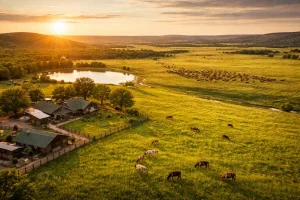
The Freeman Family Ranches sale is drawing national attention due to its scale, location, and unified structure.
Spanning around 87,953 acres across the Texas and Oklahoma Panhandles, it is one of the largest ranch listings currently on the market in the United States.
Unlike many land deals that divide property into smaller parcels, this estate is being offered as a single, fully operational ranching enterprise.
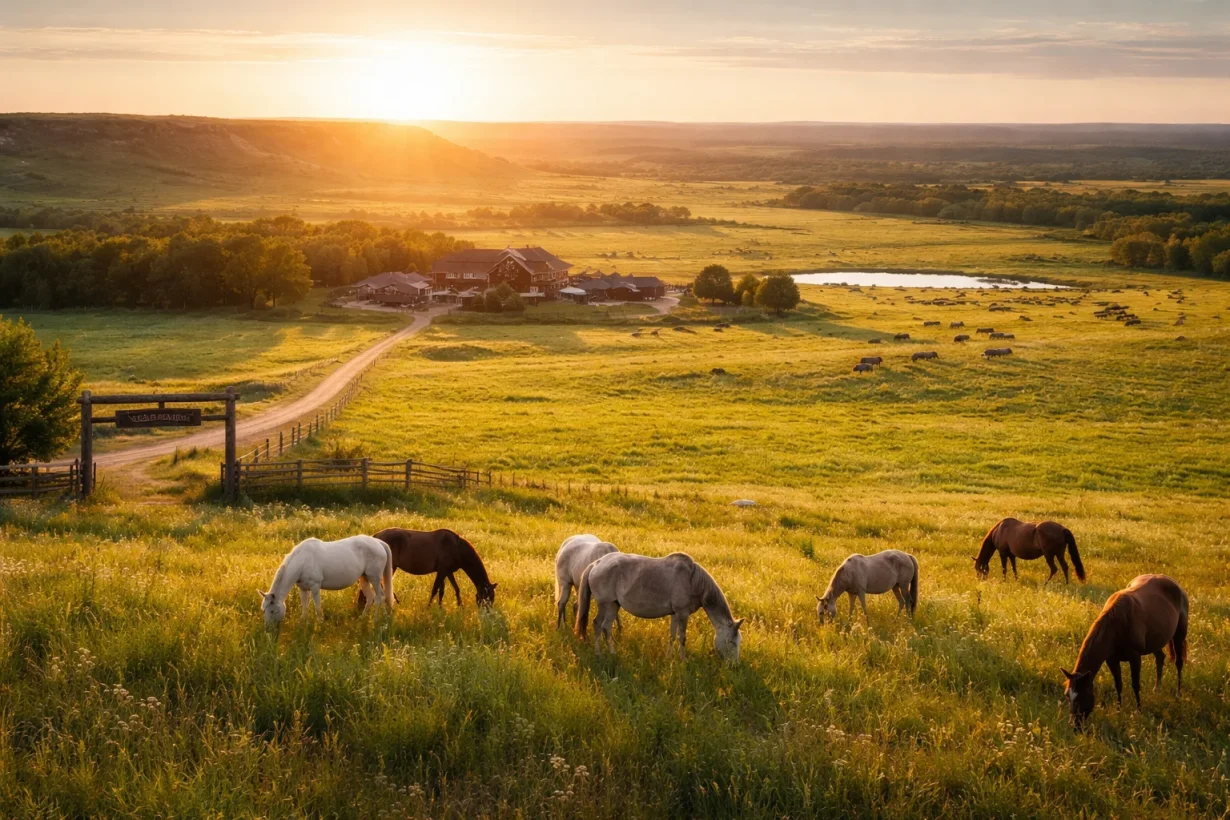
Stretching nearly 20 miles, it includes grazing land, irrigated cropland, wildlife habitat, cattle facilities, and supporting infrastructure.
Built over decades, the ranches have operated as one continuous business, making the offering highly attractive to large-scale buyers.
Key Highlights:
- Offered as one complete ranching operation
- Includes livestock, farming, and infrastructure assets
- Designed for long-term, large-scale production
“Just a very productive, very unique property that right now, there’s just no competition for it,” said Hall & Hall partner Chad Dugger.
Property Overview:
| Feature | Details |
| Total Acreage | 87,953± acres |
| Asking Price | $127.7 million |
| States Covered | Texas and Oklahoma |
| Number of Ranches | 3 |
| Sale Structure | Entire property sold as one package |
Overall, the combination of size, operational continuity, and rare availability makes this sale a standout opportunity in the U.S. land market.
Why Are the Freeman Family Ranches Being Sold After Decades of Ownership?
The Freeman Family Ranches sale is not driven by financial pressure or operational issues. Instead, it stems from a long-standing family partnership agreement that has now expired.
According to brokers, one key condition required the ranches to be sold once the agreement ended, triggering the decision to list the property.
Importantly, this is not a distressed sale. The ranches remain active, productive, and fully operational, with the family hoping the next owner will continue their legacy.
- Sale triggered by expired partnership agreement
- Ranches remain fully functional and profitable
- Aim to preserve the property as a single unit
“The ranches are in a family partnership, and the partnership agreement basically expired. Once it expired, the ranches were to be sold,” Dugger explained.
Overall, the sale reflects the challenges of managing large, multi-generational landholdings while maintaining operational integrity.
What Ranches Are Included in the Freeman Family Ranches Sale?
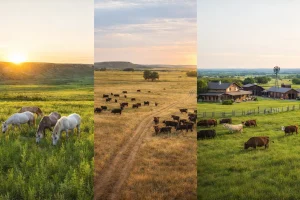
The property includes three ranches that work together as a single ranching system. Each section serves a different purpose within the larger enterprise.
Anchor D Ranch Overview
The Anchor D Ranch is the largest of the three properties and sits seven miles west of Guyon, Oklahoma.
Covering 46,355 acres, it combines cattle operations with significant recreational value. The Beaver River runs through the property, creating habitat for wildlife and providing a valuable water source.
The ranch supports populations of:
- Whitetail deer
- Mule deer
- Elk
- Turkey
- Quail
- Dove
Because of its live-water access and wildlife diversity, the Anchor D Ranch appeals not only to ranchers but also to recreational land buyers and hunting investors.
What Makes Coldwater Ranch a Cattle Producer’s Dream?
Located 19 miles east of Stratford, Texas, Coldwater Ranch covers 31,931 acres and is designed primarily for large-scale cattle production.
The ranch includes irrigated cropland, native grasses, feed pens, and cross-fenced pastures that support efficient livestock management.
Coldwater Ranch is especially valuable because it already contains the infrastructure needed for a working cattle operation. Buyers would not need to invest heavily in new facilities after purchase.
Frisco Ranch and Its Role in the Operation
The smallest of the three properties, Frisco Ranch includes 9,661 acres east of Texhoma. Despite its size, it plays a critical role in the overall business.
The ranch contains healthy native grasses capable of supporting thousands of cattle and includes a CAFO-permitted feedyard with capacity for approximately 9,000 head.
The feedyard also features a steam flaker mill, which is typically found only in large commercial feeding operations.
Overview of the Three Ranches:
| Ranch | Acreage | Location | Main Function |
| Anchor D Ranch | 46,355 acres | Near Guyon, Oklahoma | Recreation and livestock |
| Coldwater Ranch | 31,931 acres | East of Stratford, Texas | Large-scale cattle production |
| Frisco Ranch | 9,661 acres | East of Texhoma | Feedyard and cattle support |
Overall, Frisco Ranch plays a key supporting role, strengthening the efficiency and scale of the entire ranching operation.
How Large Is the 88,000-Acre Estate Across Texas and Oklahoma?
The scale of the Freeman Family Ranches sale is significant. At nearly 88,000 acres, the estate is larger than many small towns and spans both Texas and Oklahoma.
Stretching around 20 miles from north to south, it forms a connected ranching landscape across the Panhandle.
This location is especially valuable because the Texas-Oklahoma border here is not divided by a major river, allowing the land to function as one continuous operation rather than separate properties.
The size offers clear advantages, including efficient cattle movement, large-scale feed production, and flexibility for seasonal use.
It also provides opportunities for diversification without disrupting the core livestock business, making it highly attractive to large-scale buyers.
What Makes the Freeman Family Ranches Sale Different from Other Ranch Listings?
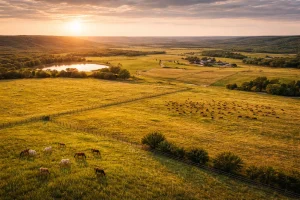
The biggest difference is that the ranches are being sold together and have already operated together for decades.
Many ranch listings involve undeveloped land or disconnected tracts. By contrast, the Freeman Family Ranches sale offers a complete, functioning enterprise ready to operate immediately.
Several factors make the listing stand out:
- The ranches are fully fenced and cross-fenced
- Existing shipping pens and working facilities are already in place
- Irrigated cropland supports feed production
- The ranch includes both recreational and agricultural value
- Buyers gain an operating cattle business rather than raw land
The decision to sell the property only as a collective package further increases its rarity. There will be no option to purchase one ranch separately.
That creates a higher barrier to entry, but it also preserves the value of the operation as a whole.
“They’ve been operated by the family as a combined unit for many, many years,” Dugger said. “The Freeman family assembled the ranches over decades in multiple transactions.”
What Agricultural and Ranching Features Add Value to the Property?
The Freeman Family Ranches sale stands out because it is more than open land.
It is a fully developed cattle and agricultural operation with infrastructure already in place for large-scale production.
From feedyards and irrigated cropland to water access and native grasslands, each feature adds to long-term value and earning potential.
Existing Cattle Infrastructure
A major advantage is the established cattle infrastructure. The ranches already include essential systems for a large livestock operation, reducing the need for new investment.
Across the three ranches, buyers gain access to:
- Working and shipping pens for livestock handling
- Feed bunk systems for large-scale operations
- Extensive fencing and cross-fencing for herd management
- Established livestock movement routes connecting all ranches
Frisco Ranch adds further value with a CAFO-permitted feedyard capable of handling around 9,000 cattle.
The property also includes a steam flaker mill, improving feed efficiency in commercial operations.
“It’s primarily a livestock enterprise,” Chad Dugger said, noting that the ranches are already equipped for large-scale commercial cattle production.
Irrigated Cropland and Native Grassland
Hundreds of acres of irrigated cropland surround parts of the ranches, particularly at Coldwater Ranch. These areas help support feed production and reduce operating costs.
Native grasses across the ranches provide strong grazing conditions and make the property suitable for sustaining large cattle herds over time.
Why Water Access Matters in the Panhandle?
In the Texas and Oklahoma Panhandles, water access is one of the most important factors in land value. The Beaver River flows through Anchor D Ranch, while Coldwater Creek adds another critical water source.
These waterways support livestock, wildlife, and recreational use. They also make the ranches more resilient during dry periods, increasing their long-term value.
Key Infrastructure and Benefits:
| Infrastructure Feature | Benefit to the Ranch |
| Cross-fenced pastures | Better livestock movement and grazing control |
| CAFO-permitted feedyard | Supports up to 9,000 cattle |
| Irrigated cropland | Produces feed and increases land value |
| Beaver River and Coldwater Creek | Reliable water access and wildlife habitat |
| Steam flaker mill | Improves feed efficiency for cattle |
How Does the Freeman Family Ranches Sale Generate Income Beyond Cattle?
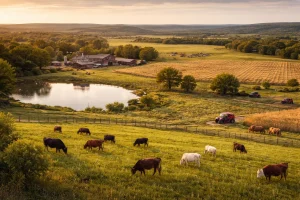
Although cattle remain the primary business, the ranches include several additional income streams. This diversified approach is one reason the property appeals to institutional buyers and agricultural investors.
The estate generates revenue from wind-energy royalties tied to turbines located on the property. In addition, a bitcoin-mining lease in the northern section of the ranch provides another source of annual income.
These arrangements are structured as lease agreements, meaning the future owner receives payments without actively operating either business.
The property also offers potential income from hunting and recreation. Wildlife habitat at Anchor D Ranch supports deer, elk, turkey, and other game species, creating opportunities for hunting leases or recreational tourism.
Who Could Afford and Operate a $127.7 Million Ranching Empire?
The most likely buyers are not ordinary landowners. A ranch of this scale requires both substantial capital and operational expertise. Potential buyers may include large cattle companies, agricultural investors, wealthy families, and institutional land funds.
Some of the strongest candidates include:
- Large ranching operations seeking expansion
- Agricultural investment groups interested in irrigated acreage
- Wealthy families looking for a legacy property
- Conservation organizations seeking long-term land stewardship
- Investors attracted to diversified revenue streams
The property may also interest buyers who see value in combining traditional agriculture with newer opportunities such as renewable energy and industrial leases.
What Does the $127.7 Million Price Mean on a Per-Acre Basis?
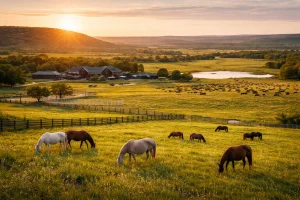
At an asking price of $127.7 million across nearly 88,000 acres, the cost works out to about $1,450 per acre. While this may seem high compared to basic grazing land, it reflects far more than just raw acreage.
Comparable ranches in Texas and Oklahoma often sell for less per acre, especially when they lack infrastructure or irrigation. The Freeman Family Ranches command a premium due to existing cattle facilities, irrigated cropland, feedyards, reliable water sources, and multiple income opportunities.
For the right buyer, the valuation can be justified. This is not just land—it is a fully integrated ranching business with scale, infrastructure, and long-term earning potential that supports its higher price.
What Challenges Might a New Owner Face After Buying the Ranch?
Owning nearly 88,000 acres comes with major responsibility. The new owner must manage large-scale operations across a vast, multi-state property while keeping it productive and sustainable.
Key challenges may include:
- Managing cattle operations and workforce across two states
- Maintaining infrastructure such as fencing, feedyards, and irrigation systems
- Overseeing cropland alongside grazing operations
- Handling water use, environmental regulations, and conservation
- Protecting wildlife habitats while supporting business activities
Another key challenge is maintaining the Freeman family’s legacy. Balancing profit with responsible stewardship will be essential for long-term success.
Could the Freeman Family Ranches Sale Reshape the Texas-Oklahoma Ranch Market?
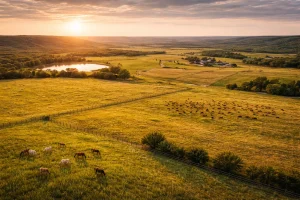
The Freeman Family Ranches sale could become one of the most important ranch transactions in the region in recent years.
Listings of this scale rarely come to market, especially those that combine cattle operations, irrigation, wildlife habitat, and modern revenue streams.
If the ranch sells close to its asking price, it may raise expectations for other premium ranch properties in the Texas-Oklahoma Panhandle.
It could also attract more institutional investors to agricultural real estate, particularly those looking for properties with multiple forms of income.
Ultimately, the sale reflects a broader trend in rural real estate: buyers increasingly want more than land alone. They want operational businesses, stable cash flow, and long-term value. The Freeman Family Ranches sale offers all three.
Conclusion
The Freeman Family Ranches sale is far more than a standard real-estate listing.
It represents a rare opportunity to acquire nearly 88,000 acres of established ranchland across Texas and Oklahoma, complete with cattle infrastructure, irrigated cropland, wildlife habitat, and additional income streams.
With a $127.7 million price tag, the estate will appeal to a limited group of buyers.
Yet for those with the resources and vision to manage it, the property offers something increasingly difficult to find: a fully operational ranching empire built over decades and ready for its next chapter.
FAQs About
Can the Freeman Family Ranches Be Purchased Separately?
No. The Freeman family has stated that the ranches will only be sold as one package. Buyers cannot purchase Anchor D Ranch, Coldwater Ranch, or Frisco Ranch individually.
Where Exactly Are the Freeman Family Ranches Located?
The ranches are located in the Texas and Oklahoma Panhandles near the town of Texhoma. The property extends from near Guyon, Oklahoma, to areas east of Stratford, Texas.
Does the Ranch Include Hunting and Recreational Opportunities?
Yes. Anchor D Ranch offers strong recreational value thanks to its wildlife habitat and the Beaver River. Hunting opportunities are likely to be one of the property’s secondary revenue streams.
What Types of Wildlife Are Found on the Property?
The ranch supports whitetail deer, mule deer, elk, turkey, quail, dove, and pheasant.
How Long Has the Freeman Family Owned These Ranches?
The Freeman family assembled the ranches over several decades through multiple land purchases and has operated them together for many years.
Which Companies Are Handling the Listing and Sale?
The ranches are co-listed by Hall & Hall and Sam Middleton of Chas. S. Middleton and Son, LLC.
Are Wind Royalties and Bitcoin Lease Income Included in the Purchase?
Yes. The existing wind-energy royalties and bitcoin-mining lease are part of the property and would transfer to the new owner as part of the sale.